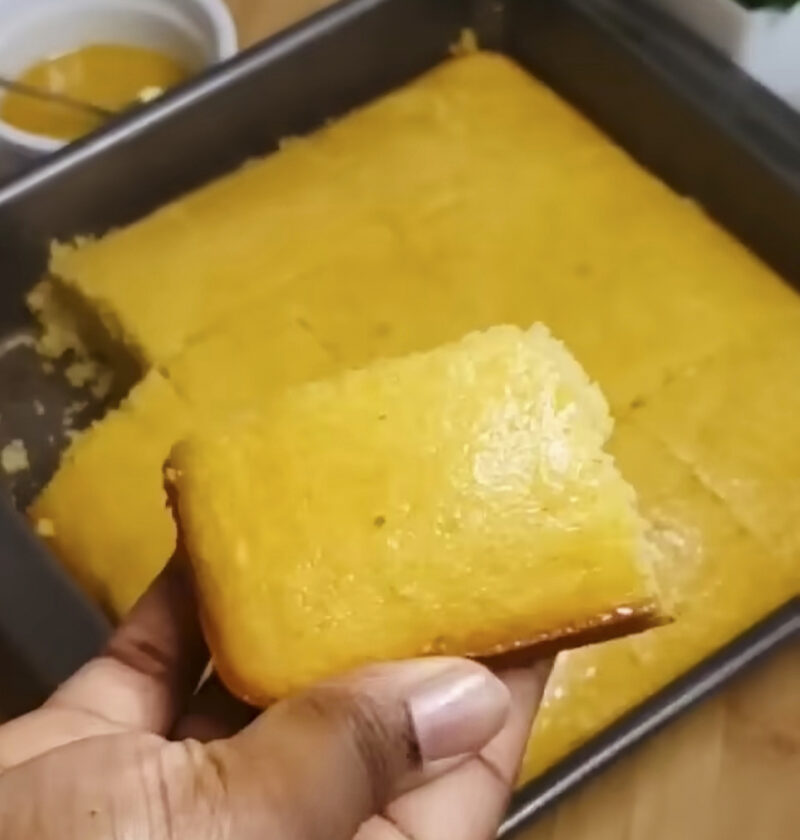
On a cold winter night, nothing warms up a hungry stomach like the smell of something cooking on the hob. Maybe a pot of soup or a nice hot bowl of chili would hit the spot. What would make the scene more snug and toasty? For me, a warm slab of freshly baked cornbread with a pat of melting butter on the side will always be the perfect accompaniment to something hearty and warming.
I know that many busy people would prefer buying a box mix or even a loaf of pre-made cornbread at the store. Don’t get me wrong, I’ve tasted plenty of store-bought stuff, and I still do sometimes, life is busy after all. Trust me, I speak from experience when I say that making fresh cornbread from scratch is easier than you might think, and the difference in flavor and quality is something else. So let’s get rolling!
Cornbread
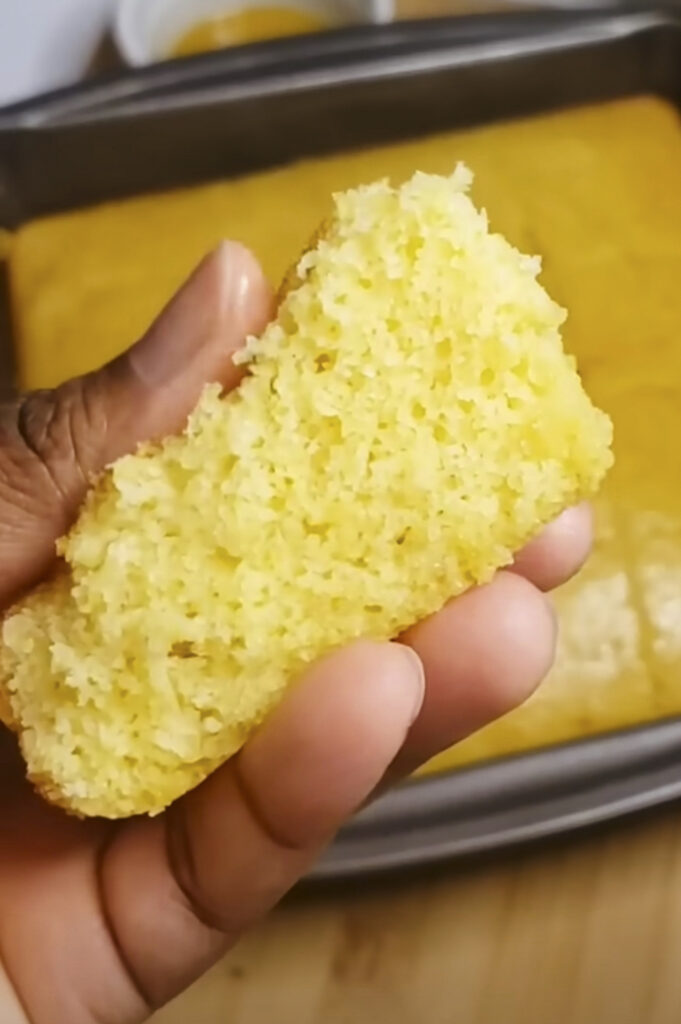
This classic cornbread boasts a tender crumb and a perfect golden crust, ideal for sopping up stews or enjoying on its own.
Ingredients
-
-
- 1 ½ cups all-purpose flour
-
- 1 cup yellow cornmeal
-
- ⅔ cup granulated sugar (adjust to your sweetness preference)
-
- 1 tablespoon baking powder
-
- ½ teaspoon salt
-
- 1 cup whole milk
-
- ½ cup unsalted butter, melted, plus extra for greasing
-
- 2 large eggs, lightly beaten
-
Necessary Utensils & Equipment
-
-
-
- 9×9 inch baking pan or 10-inch cast iron skillet
-
- Large mixing bowl
-
- Small mixing bowl
-
- Whisk
-
- Measuring cups and spoons
-
- Spatula or spoon for mixing
-
- Oven mitts
-
- Wire cooling rack
-
-
Instructions
-
-
-
- Preheat your oven to 400°F (200°C). If using a cast iron skillet, place the skillet in the oven with 1-2 tablespoons of butter inside to preheat while the oven comes to temperature. This creates a wonderfully crispy crust.
-
- In a large mixing bowl, whisk together the flour, cornmeal, sugar, baking powder, and salt until they’re well combined. Make sure there are no lumps.
-
- In a separate small bowl, whisk together the milk, melted butter, and eggs.
-
- Pour the wet ingredients into the dry ingredients. Stir just until combined. Be careful not to overmix; a few small lumps are perfectly fine and will result in a tender cornbread. Overmixing can develop the gluten too much, leading to a tougher texture.
-
- Carefully remove the hot skillet or baking pan from the oven (use oven mitts!). Swirl the melted butter to coat the bottom and sides evenly.
-
- Pour the cornbread batter into the hot, greased pan. Spread it out gently if needed.
-
- Bake for 20-25 minutes, or until the top is golden brown and a wooden skewer inserted into the center comes out clean. The edges should look nicely browned and crisp.
-
- Let the cornbread cool in the pan for about 10 minutes before slicing and serving. This helps it set and prevents crumbling.
-
- Serve warm with a drizzle of honey, a dollop of butter, or alongside your favorite chili or stew.
-
-
When you bake your own cornbread, there’s a lot more to it than just cooking. The aroma you’ll find in the kitchen during baking can’t be found elsewhere. You’re in control of all the ingredients in terms of their taste and addition. Nothing can compare to the crispy crust and fluffy inside, which can only be achieved through home baking.
My first attempt at baking cornbread included the necessity of making the crispy crust. I’ve heard that it’s important to heat the cast iron skillet with butter before baking. However, being impatient and excited, I failed to wait until the pan becomes hot enough. My cornbread wasn’t bad at all, but I missed that crispy crust, which I wanted to achieve.
Can you imagine how much pleasure and satisfaction it gives you when you take something warm and aromatic out of your own oven?
Tips For Success
Making perfect cornbread is straightforward, but a few simple pointers can take it from good to truly memorable. Here are some of my go-to considerations for a delightful batch every time.
Achieving the Perfect Texture
- Don’t Overmix: This is probably the most crucial piece of advice for any quick bread, and cornbread is no exception. Mix the wet and dry ingredients only until they are just combined. A few small lumps in the batter are perfectly fine and will lead to a more tender cornbread.
- Embrace the Hot Pan: Using a preheated, buttered cast iron skillet (as in the recipe) is the secret to that coveted crispy, golden crust. The instant contact with the hot surface creates a beautiful sizzle and a robust exterior that makes every bite better.
- Quality Cornmeal Counts: The type of cornmeal you use affects both texture and flavor. Fine-ground cornmeal will yield a more cake-like texture, while medium-ground will provide a bit more rustic bite. Choose what you prefer!
Pro Tip: For an extra layer of flavor and a slightly richer crumb, consider substituting half of the milk with buttermilk. The acidity in buttermilk reacts with the baking powder, resulting in an even lighter texture.
Flavor Variations & Add-ins
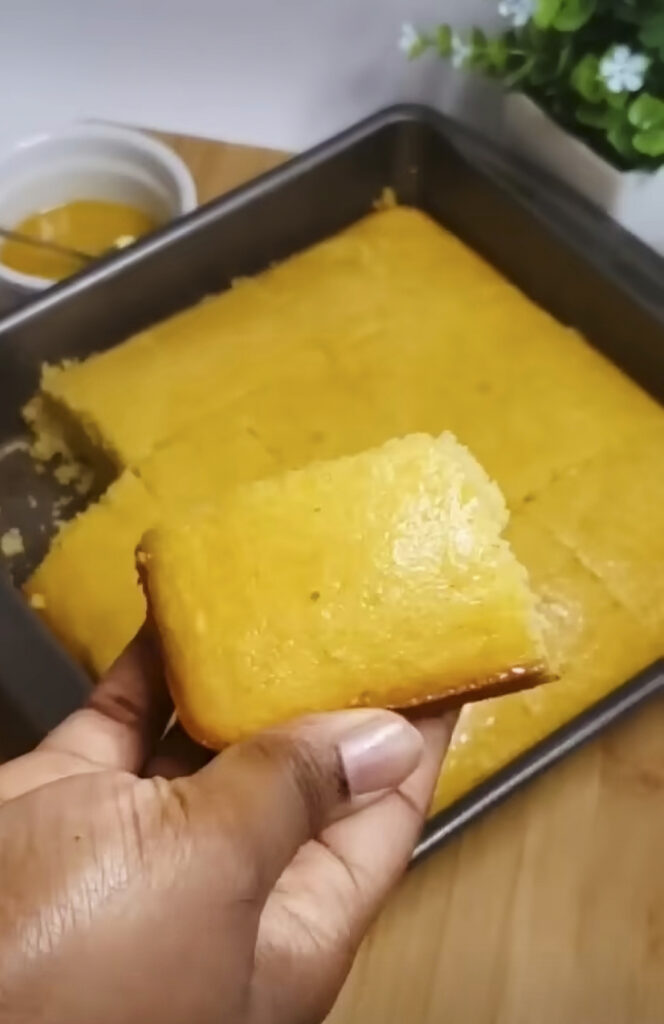
Cornbread is incredibly adaptable. Once you’ve mastered the basic recipe, feel free to get creative!
- Sweet & Spicy: Fold in ½ cup of shredded cheddar cheese and 1-2 diced jalapeños (seeds removed for less heat) into the batter before baking. This makes a savory version that’s fantastic with chili.
- Herby Goodness: Add 1-2 tablespoons of fresh chopped herbs like chives, rosemary, or thyme to the batter for an aromatic twist.
- Bacon Boost: Cook and crumble a few strips of bacon, then fold them into the batter. Save a little bacon grease to replace some of the butter for cooking in the skillet.
Storage & Reheating
Got leftovers? Lucky you!
- At Room Temperature: Store cooled cornbread in an airtight container at room temperature for up to 2-3 days.
- In the Fridge: For longer storage, wrap individual slices or the whole loaf tightly in plastic wrap, then place in an airtight container. It’ll stay fresh for up to 5 days in the refrigerator.
- Freezing: Cornbread freezes beautifully! Wrap individual slices in plastic wrap, then aluminum foil, and store in a freezer-safe bag for up to 3 months. Thaw at room temperature or reheat directly from frozen.
- Reheating: For best results, reheat cornbread in a preheated oven at 300°F (150°C) for about 10-15 minutes, or until warmed through. A quick zap in the microwave works too, but can sometimes make it a little dry.
Frequently Asked Questions
Can I make cornbread ahead of time?
Yes, absolutely! Cornbread is a wonderful make-ahead option. You can bake it a day or two in advance and store it at room temperature in an airtight container. Gently reheat it in the oven before serving to bring back that fresh-baked warmth and softness.
How do I keep cornbread from being dry?
To keep your cornbread moist, avoid overmixing the batter – mix only until the wet and dry ingredients are just combined. Also, don’t overbake it. Keep an eye on it, and remove it from the oven as soon as a wooden skewer inserted into the center comes out clean. Including a little extra butter or buttermilk in the recipe can also help retain moisture.
What’s the difference between Northern and Southern cornbread?
Traditionally, Northern cornbread often includes sugar and sometimes more flour, resulting in a sweeter, more cake-like texture. Southern cornbread, on the other hand, is typically made without sugar (or very little), with a higher cornmeal content, and often uses buttermilk and bacon grease, leading to a denser, savory, and crumblier texture. Our recipe strikes a delicious balance between the two!
Can I use a different pan if I don’t have a cast iron skillet?
Certainly! While a cast iron skillet gives an amazing crispy crust, you can easily use a 9×9 inch square baking pan instead. Just be sure to grease it well with butter or cooking spray before adding the batter. The baking time should remain similar, but keep an eye on it for doneness.
Ready to impress your family and friends with a genuinely homemade comfort food classic? Give this cornbread a try! What will you serve it with first?