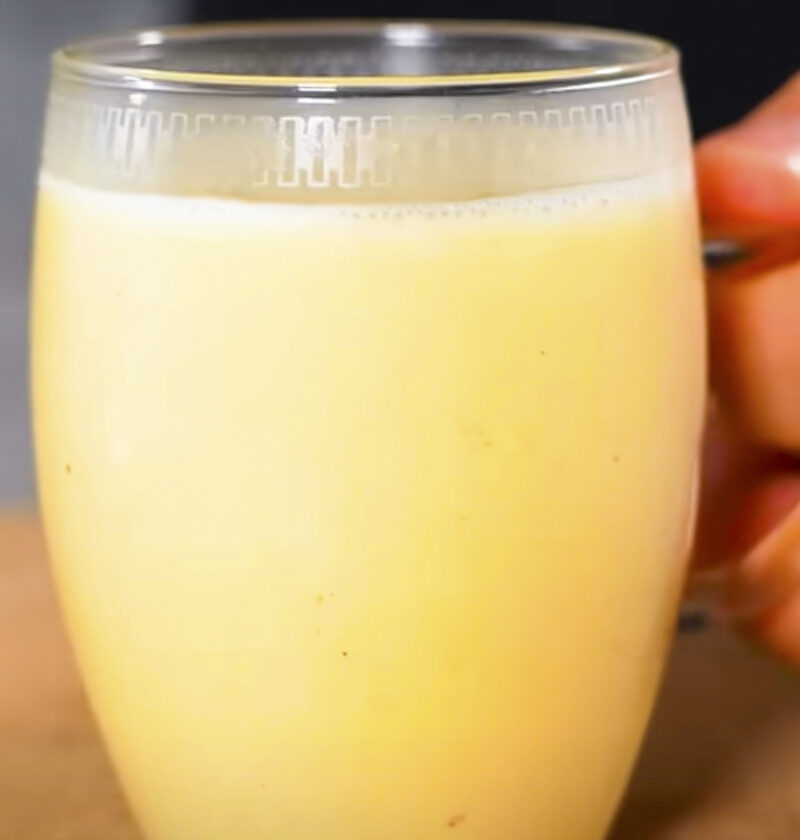
Call to mind the fresh fall breezes that usher in warming, substantial comfort food. With the shorter days and the holiday season just around the corner there’s nothing like a glass of creamy, spiced eggnog to keep you warm! Don’t forget the carton stuff, making your own will make all the difference. You’ll be surprised at how simple it is to create a beverage that’s so much more flavorful and satisfying. It’s a beverage so delicious that your guests will be asking for the recipe.
I know, I know, it can seem a little daunting to make eggnog by yourself. Raw eggs? Cooked custard? But (I’m sure of this), it’s a highly rewarding process and you’ll never turn back after trying it. You have a trick that is a big effort and a big reward. So let’s get to work creating some magic!
Eggnog
This luscious, velvety drink blends sweet cream with warm spices, making every sip a cozy embrace.
Ingredients
-
-
- 6 large egg yolks
-
- ¾ cup granulated sugar
-
- 2 cups whole milk
-
- 1 cup heavy cream
-
- ½ teaspoon vanilla extract
-
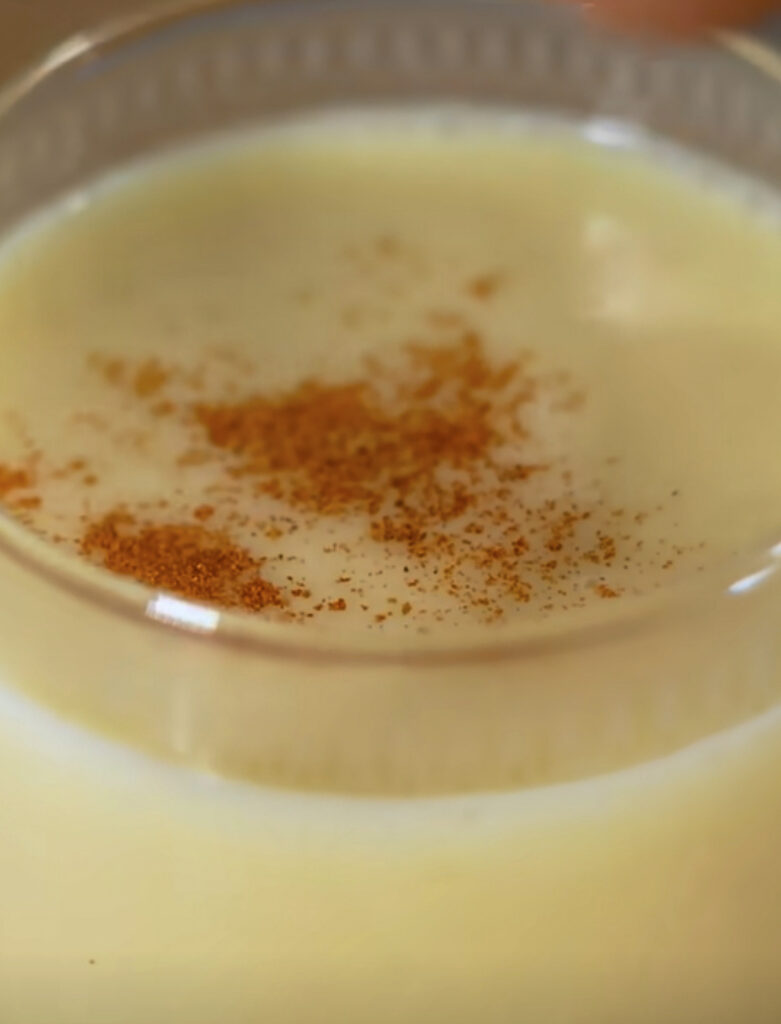
- ¼ teaspoon freshly grated nutmeg, plus more for garnish
-
- Pinch of salt
-
- Optional: ½ cup brandy, rum, or bourbon (for spiked eggnog)
-
Necessary Utensils & Equipment
-
-
-
- Large saucepan or pot
-
- Fine-mesh sieve
-
- Heat-resistant spatula or wooden spoon
-
- Measuring cups and spoons
-
- Grater (for fresh nutmeg)
-
- Airtight container or pitcher for storage
-
-
Instructions
-
-
-
- Prepare Egg Mixture: In a large mixing bowl, whisk the egg yolks and granulated sugar together until they’re pale yellow and creamy. This should take about 2-3 minutes of vigorous whisking. Set this aside.
-
- Heat Dairy: In your saucepan, combine the whole milk, heavy cream, vanilla extract, ¼ teaspoon of freshly grated nutmeg, and a pinch of salt. Heat this mixture over medium heat, stirring occasionally, until it just begins to simmer around the edges and steam. Do not let it boil.
-
- Temper the Eggs: This is a crucial step! Gradually pour about half of the hot milk mixture into your egg yolk mixture, whisking constantly and vigorously as you pour. This slowly raises the temperature of the eggs without scrambling them.
-
- Combine and Thicken: Pour the tempered egg mixture back into the saucepan with the remaining hot milk mixture. Continue to cook over medium-low heat, stirring constantly with a spatula or wooden spoon, for about 5-8 minutes. Make sure you don’t let it boil at this stage, or it might curdle.
-
- Strain for Smoothness: Immediately remove the saucepan from the heat. Pour the eggnog through a fine-mesh sieve into a clean bowl or pitcher. This catches any bits of cooked egg and ensures a silky-smooth drink.
-
- Chill Thoroughly: Let the eggnog cool slightly at room temperature, then cover it and refrigerate for at least 4 hours, or even better, overnight. Chilling allows the flavors to meld beautifully and gives you that classic cold, refreshing beverage.
-
- Add Alcohol (Optional): If you’re making spiked eggnog, stir in the brandy, rum, or bourbon after it’s fully chilled. Adjust to your taste preferences.
-
- Serve: Pour into glasses, garnish with extra freshly grated nutmeg, and enjoy!
-
-
Getting Things Right
Making homemade eggnog is so satisfying but sometimes it goes a little awry. Fear not, I have some tried and true tips to help you have a smooth and delicious eggnog!
Troubleshooting Common Eggnog Issues
When I actually first attempted to make eggnog, I was a bit overzealous with the heat and ended up with small little bits of scrambled egg in my lovely custardy eggnog. Uh-uh, but it was an eye opener in terms of patience! The main points to remember are: Heat slowly; temper eggs properly.
Pro Tip: Always temper your egg yolks by slowly adding hot liquid while whisking vigorously. This prevents them from scrambling when they meet the heat, ensuring a smooth, creamy texture every time.
If your eggnog isn’t thickening, it usually means it hasn’t reached the right temperature or hasn’t cooked long enough. Keep stirring over medium-low heat until it coats the back of a spoon. If it looks a little thin after chilling, don’t fret; it’ll still taste amazing.
Delicious Variations to Try
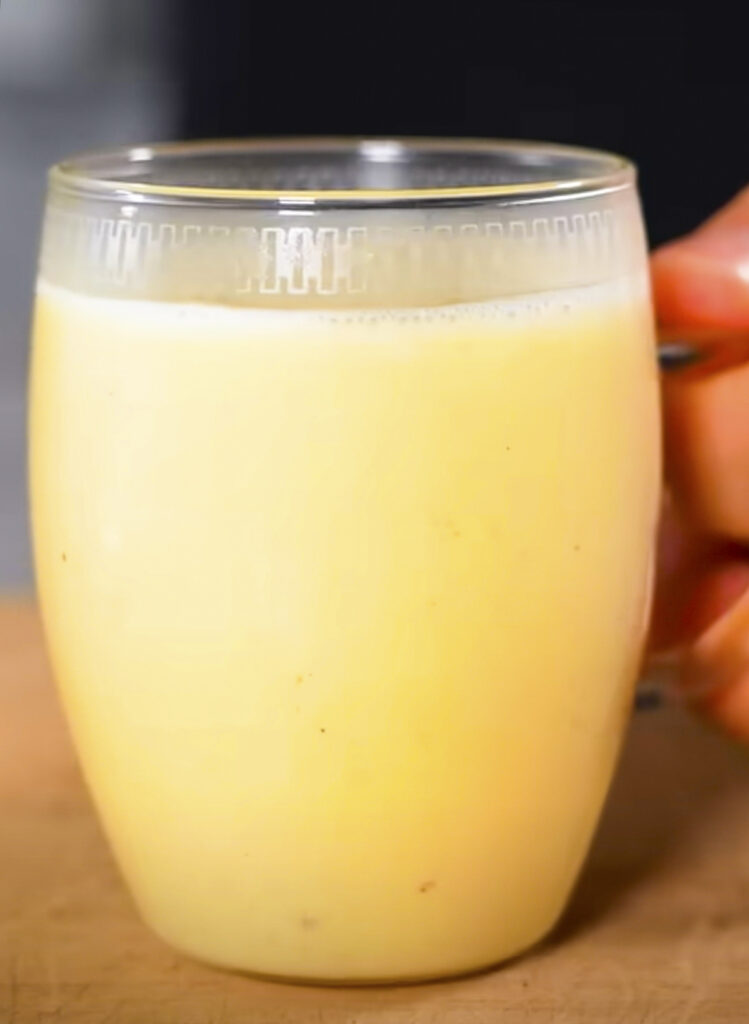
One of the best things about homemade eggnog is how easily you can customize it to your taste. While the classic recipe is wonderful on its own, here are a few ideas to shake things up:
- Spiced Eggnog: Add a pinch of ground cloves or a dash of allspice to the milk mixture for a deeper, warmer spice profile. You could even infuse a cinnamon stick while heating the milk.
- Non-Dairy Eggnog: Swap whole milk for full-fat coconut milk or almond milk, and use a plant-based cream alternative. Be mindful that the texture might be slightly different.
- Chocolate Eggnog: Stir in a few tablespoons of unsweetened cocoa powder with the sugar, or melt in some dark chocolate chips while the mixture is still warm.
- Zesty Eggnog: A tiny bit of orange zest added to the simmering milk can brighten the flavor wonderfully. Just be sure to strain it out before serving.
Don’t be afraid to play around with these! The kitchen is your playground.
Storage and Reheating
Once your homemade eggnog is chilled, it needs to be stored properly. Pour it into an airtight pitcher or container and keep it in the refrigerator. Freshly made eggnog can be stored safely in the fridge for up to 3-4 days. If you’ve added alcohol, it can last a bit longer, typically up to a week, as the alcohol acts as a preservative.
I don’t recommend freezing eggnog, as the dairy can separate and become grainy once thawed. For the best texture and taste, enjoy it fresh and cold. If you prefer it warm, gently reheat it over low heat, stirring constantly, making sure it doesn’t boil.
Frequently Asked Questions
Can I make eggnog without alcohol?
Absolutely! The recipe provided is primarily for a non-alcoholic base. Simply skip step 7 (adding alcohol). It’s incredibly delicious on its own, especially for families or those who prefer to avoid alcohol. You can still get a lovely depth of flavor from the spices and vanilla.
What kind of alcohol is best for eggnog?
Traditional eggnog usually calls for brandy, rum, or bourbon. Each offers a slightly different character: brandy provides a sophisticated, fruity warmth; dark rum brings a sweet, molasses-rich note; and bourbon adds a smoky, vanilla depth. You can use one or a combination of them, depending on your preference!
Is it safe to consume raw eggs in eggnog?
This recipe cooks the egg yolks, creating a custard, so you’re not consuming raw eggs. The heating process pasteurizes the eggs, making it safe. If you’re using a recipe that calls for strictly raw eggs, always use pasteurized eggs to reduce any food safety risks. Our cooked method is perfectly safe and delicious.
Why did my eggnog curdle or become lumpy?
Curdling usually happens if the eggnog gets too hot too fast, or if it boils during the cooking process. The key is to temper your eggs (as explained in the Pro Tip) and to cook the mixture over medium-low heat, stirring constantly, making sure it never reaches a rolling boil. A fine-mesh sieve can catch any small lumps if it does happen.
How can I make my eggnog thicker?
The thickness of your eggnog comes from the egg yolks and the cooking process. If you prefer a richer, thicker consistency, you can slightly increase the number of egg yolks (e.g., use 7 instead of 6) or cook it a minute or two longer until it coats the back of your spoon more heavily. Ensure you’re using whole milk and heavy cream, not lower-fat alternatives, for the best body.