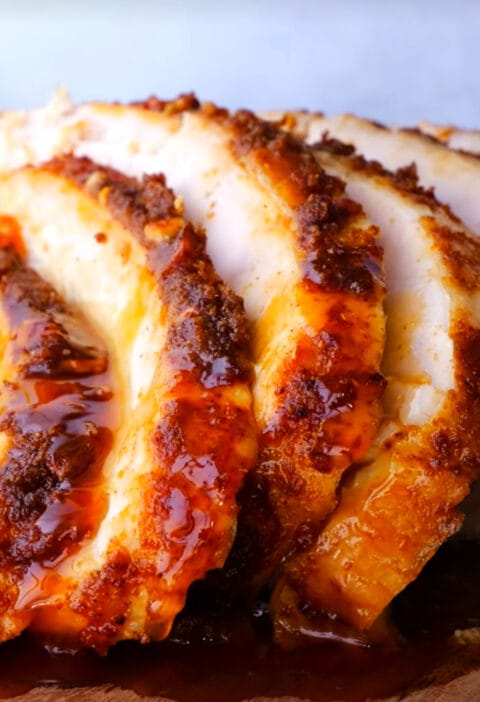
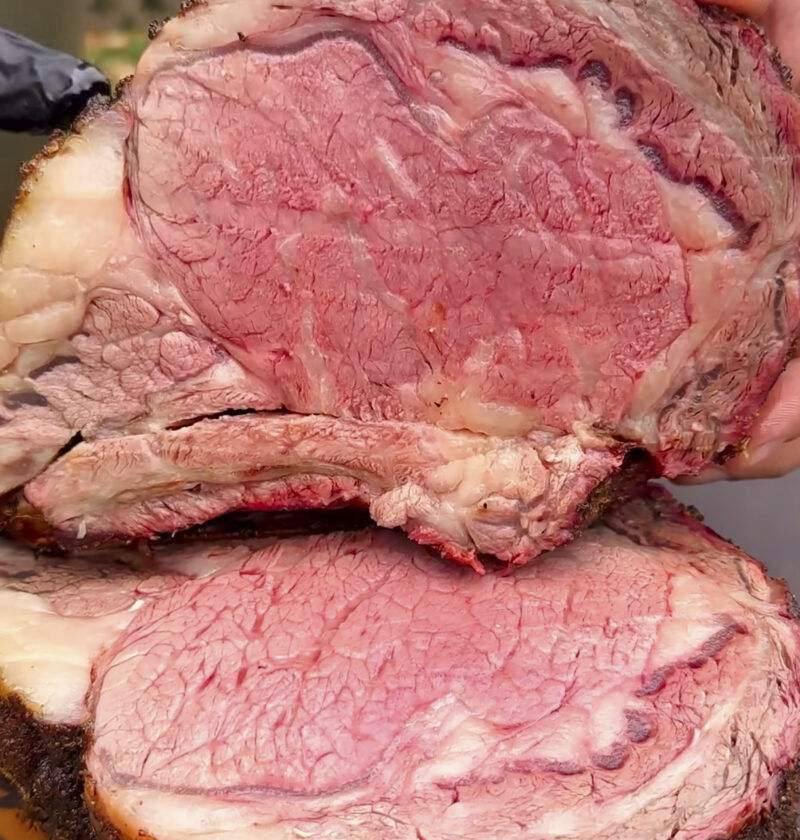
We are all on a journey to get into the kitchen, and it starts with a delicious step. There is one dish that really makes you feel like a chef when you serve it up: A perfectly cooked prime rib roast. Now think of the smell of roasted beef pervading the whole house, the excitement in the lead up to seeing a gorgeous mahogany coloured roast coming out of the oven ready for carving. I used to think that I could not really do Prime Rib at home, but professional chefs could. I was afraid I’d be stuck with dry meat, unevenly cooked or just not get that impressive crust that screams “special occasion. But don’t fear, there are a few tricks of the trade used by the best restaurant kitchens that can make you a beautiful prime rib in your own home. We’ll discuss the exact techniques to use in order to always get tender juicy results, making your next dinnertime extra special.
Prime rib roast
Juicy, tender prime rib with a savory herb crust that’s perfect for any special occasion.
Ingredients
-
-
- 5-7 lb prime rib roast, bone-in or boneless
-
- 3 tbsp olive oil
-
- 2 tbsp kosher salt
-
- 1 tbsp black pepper, freshly ground
-
- 1 tbsp dried rosemary
-
- 1 tbsp dried thyme
-
- 4 cloves garlic, minced
-
- 1 cup beef broth (for the pan, optional)
-
Necessary Utensils & Equipment
Instructions
-
-
-
- Prep the Roast: Take the prime rib out of the fridge at least 2-3 hours before cooking. This helps it come closer to room temperature for more even cooking. Pat the roast completely dry with paper towels; this is key for a crispy crust.
-
- Make the Herb Rub: In a small bowl, combine the olive oil, kosher salt, freshly ground black pepper, dried rosemary, dried thyme, and minced garlic. Mix until a thick paste forms.
-
- Season the Roast: Generously rub the herb paste all over the entire prime rib, ensuring it’s evenly coated. Get into all the crevices.
-
- Sear (Optional, but recommended): Preheat a large cast-iron skillet or heavy-bottomed pan over high heat. Sear the roast on all sides until a deep, golden-brown crust forms, about 2-3 minutes per side. This step adds incredible flavor and color.
-
- Preheat Oven & Set Up Pan: Preheat your oven to 450°F (230°C). Place the prime rib, fat-side up, on a roasting rack set inside a large roasting pan. If using, pour 1 cup of beef broth into the bottom of the pan to catch drippings and prevent burning. Insert an oven-safe meat thermometer into the thickest part of the roast, avoiding the bone.
-
- Initial Roast: Roast at 450°F (230°C) for 15-20 minutes. This high heat creates that beautiful crust.
-
- Lower Heat & Continue Roasting: Reduce the oven temperature to 325°F (160°C). Continue roasting until the meat thermometer registers your desired internal temperature:
- Rare: 120-125°F (49-52°C)
- Medium-Rare: 130-135°F (54-57°C)
- Medium: 135-140°F (57-60°C)
For a 5-7 lb roast, this typically takes 2.5 to 3.5 hours after the initial high-heat roast.
- Rest the Roast (CRITICAL!): Once the desired temperature is reached, remove the roast from the oven. Transfer it to a cutting board, tent loosely with aluminum foil, and let it rest for at least 20-30 minutes. This is a non-negotiable step; it allows the juices to redistribute, ensuring a tender, moist result.
-
- Carve & Serve: Remove the foil. If bone-in, carefully slice the meat away from the bones. Then, carve the prime rib into thick slices against the grain. Serve immediately with any accumulated pan juices.
- Lower Heat & Continue Roasting: Reduce the oven temperature to 325°F (160°C). Continue roasting until the meat thermometer registers your desired internal temperature:
-
-
Choosing the Best Prime Rib Roast
The right rib cut can make or break a meal, so it is important to choose the right prime rib cut. At the butcher or grocery store, prime rib is usually available in either boneless or bone-in cuts. A bone-in roast may have a more flavorful flavor because the marrow in the bones adds flavor and can help insure the meat while cooking. Boneless roasts are easier to carve and cook and tend to be somewhat less flavorful on the same side, but may be a bit more uniform.
Look for a roast with good marbling – those tiny streaks of fat running through the meat. This marbling melts as it cooks, keeping the roast incredibly moist and flavorful. Also, consider the grade: “Prime” grade beef will have the most marbling and thus the most tenderness and flavor, followed by “Choice.” While “Select” grade is available, it won’t give you the same luxurious experience as higher grades. Don’t be shy about asking your butcher for help; they’re an amazing resource!
Expert Tips for a Truly Unforgettable Prime Rib
Making prime rib might seem intimidating, but with a few pro tricks, you’ll be serving up perfection every time. Here’s what I’ve learned from countless roasts – and a few mistakes!
Getting That Perfect Crust
You know that incredibly crispy, seasoned crust you see on restaurant prime rib? It doesn’t happen by accident. First, patting the roast completely dry before seasoning is absolutely key for achieving a dark, flavorful exterior. Any moisture on the surface will just steam the meat instead of letting it brown. Secondly, don’t skip the initial high-heat sear in the oven or, even better, in a hot pan. That blast of heat instantly starts the browning process, locking in those savory flavors.
The Importance of Resting
The first time I tried making a prime rib, I was so excited that I carved into it almost immediately after taking it out of the oven. Big mistake! All the delicious juices just poured out onto the cutting board, leaving me with drier slices than I wanted. Resting the roast allows the internal temperature to continue rising (called “carryover cooking”) and, more importantly, lets those precious juices redistribute back into the meat. This helps make every slice incredibly tender and moist. Always aim for at least 20-30 minutes of rest time, tented loosely with foil.
Pro Tip: Don’t guess with temperature! Get a good quality, oven-safe meat thermometer. It’s the single most valuable tool for perfectly cooked prime rib, taking all the guesswork out of hitting that ideal doneness.
Making a Simple Pan Sauce or Au Jus
Don’t let those flavorful pan drippings go to waste! After resting your roast, you can easily make a quick pan sauce. Skim off most of the excess fat from the drippings in the roasting pan. Place the pan over a stovetop burner (or transfer drippings to a saucepan). Add about 1-2 cups of beef broth or red wine, scraping up any browned bits from the bottom of the pan with a wooden spoon. Bring to a simmer, let it reduce slightly, then strain for a smooth, flavorful au jus. You can thicken it with a cornstarch slurry if you prefer a gravy consistency. This adds another layer of deliciousness to your meal.
Troubleshooting & Variations
Sometimes things don’t go exactly to plan, or you might just want to try something different.
If your crust isn’t as dark as you’d like, you can try increasing the initial high-heat roasting time slightly, or give it a quick sear on the stovetop before putting it in the oven. If your roast seems to be cooking too quickly, don’t be afraid to lower the oven temperature a bit more. We’re aiming for precision here.
For variations, you could:
- Add fresh herbs like sage or parsley to your rub.
- Place chopped onions, carrots, and celery in the bottom of the roasting pan to add aromatics and flavor to your pan drippings.
- Finish with a homemade au jus or horseradish cream sauce for extra indulgence.
Perfect Pairings: What to Serve with Prime Rib
A beautiful prime rib deserves equally impressive sides. You’ve gone to all this effort, so let’s make the whole meal shine! Classic choices often include creamy mashed potatoes or roasted potatoes, which are perfect for soaking up any pan juices or au jus. Crispy roasted asparagus, green bean almondine, or a fresh garden salad offer a nice counterpoint to the richness of the beef.
Don’t forget the condiments! A zesty horseradish sauce is a traditional favorite that cuts through the richness beautifully. Yorkshire puddings are also a fantastic addition if you’re feeling ambitious and want to make the most of those beef drippings. Whatever you choose, aim for complementary flavors and textures.
Frequently Asked Questions
What cut of meat is prime rib?
Prime rib comes from the rib section of the cow, specifically the primal rib cut, which is typically between ribs six and twelve. It’s known for its rich marbling and tenderness, making it a very flavorful and premium cut for roasting.
Should I cook prime rib bone-in or boneless?
Both bone-in and boneless prime rib can produce delicious results. Bone-in roasts often have a bit more flavor due to the bone marrow, and the bones themselves act as a natural rack. Boneless roasts are easier to carve and cook slightly more evenly. Choose what you prefer; the method works for both!
How do I know when my prime rib is done?
The most reliable way is to use a meat thermometer inserted into the thickest part of the meat, avoiding any bones. You’ll remove the roast from the oven 5-10 degrees *before* your desired final temperature, as it will continue to cook while resting (this is called carryover cooking). For medium-rare, pull it around 125-130°F.
Can I prepare the prime rib rub in advance?
Absolutely! You can prepare the herb rub up to 24 hours in advance and keep it covered in the refrigerator. Applying the rub a few hours before cooking (or even the night before) can allow the flavors to penetrate the meat more deeply, making for a more flavorful roast. Just be sure to bring the roast to room temperature before cooking.
What can I do with leftover prime rib?
Leftover prime rib is a treasure! You can slice it thin for incredible sandwiches, chop it for a hearty hash, add it to pasta dishes, or even make prime rib tacos. Reheat gently to avoid drying it out.
Now that you know the chef’s secret, what’s stopping you from making this showstopping prime rib for your next special gathering? I bet you’ll impress everyone!