
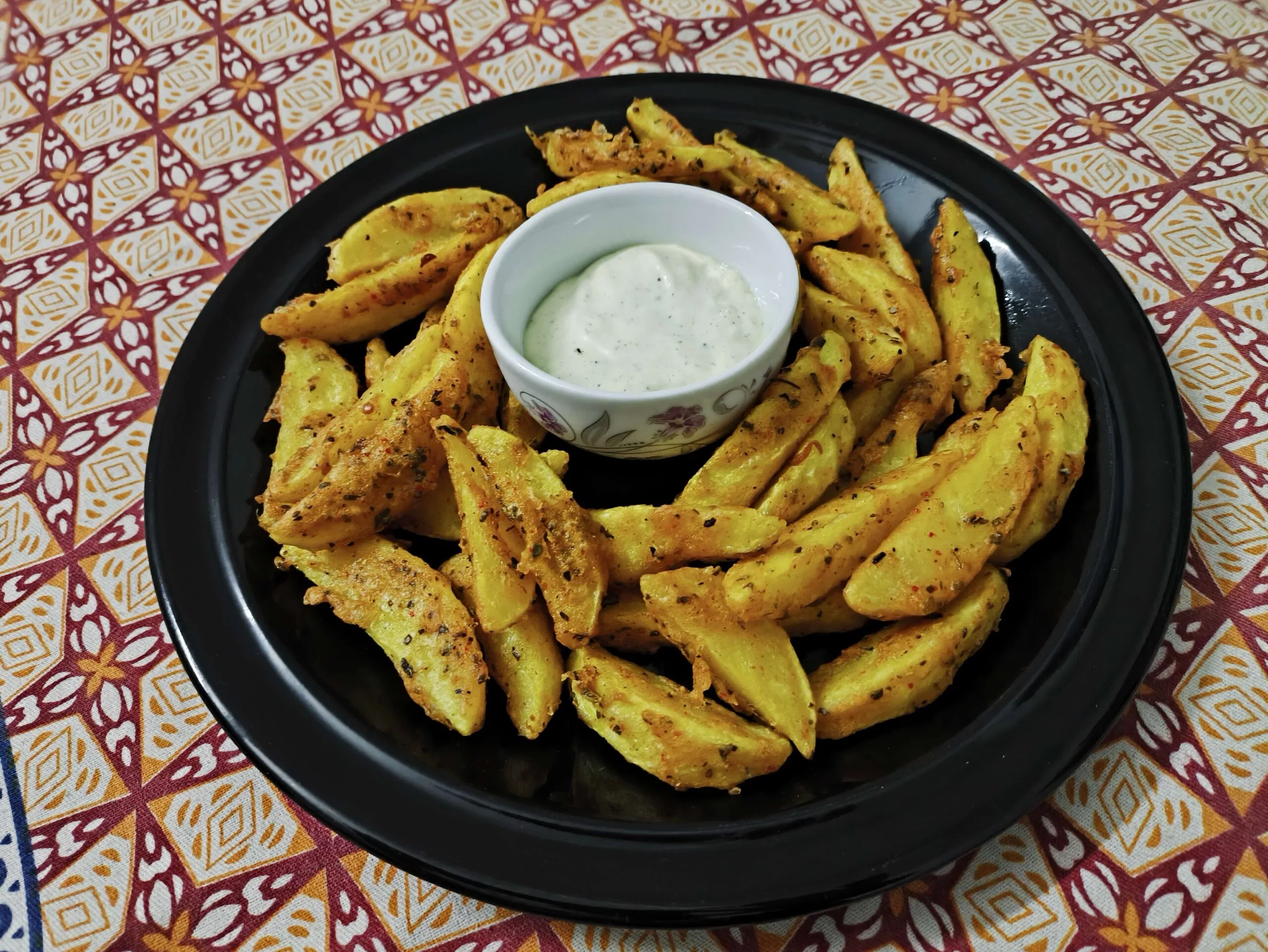
There’s no secret recipe to making potato wedges, but there is one key technique. I know the feeling of making potato wedges that just don’t live up to the golden brown and fluffy inside promise. We all want that crispy, golden and herbaceous bite, right? And the trick I’m about to reveal is not some special family recipe, but a single, often overlooked technique that will elevate your wedges. Believe me, once you get it right, you’ll be cooking up these tasty treats all the time.
How To Make The Perfect Potato Wedges Everytime
Ingredients
-
-
- 4 medium Russet potatoes (about 2 lbs)
-
- 2 tablespoons olive oil
-
- 1 teaspoon garlic powder
-
- ½ teaspoon paprika
-
- ¼ teaspoon cayenne pepper (optional, for a kick)
-
- ½ teaspoon dried oregano
-
- ½ teaspoon salt, or to taste
-
- ¼ teaspoon black pepper, or to taste
-
- Fresh parsley, chopped (for garnish, optional)
-
Instructions
-
-
- Preheat Oven & Prep Baking Sheet: Preheat your oven to 425°F (220°C). Line a large baking sheet with parchment paper for easy cleanup and to prevent sticking.
-
- Wash and Cut Potatoes: Thoroughly wash the potatoes. You can peel them if you prefer, but I always leave the skins on for extra texture and nutrients. Cut each potato lengthwise into quarters, then cut each quarter into 2-3 wedges, depending on the size of the potato. Aim for uniform size so they cook evenly.
-
- Soak Potatoes (Crucial Step): Place the cut potato wedges in a large bowl and cover them with very hot tap water. Let them soak for at least 10-15 minutes. This step draws out excess starch, which helps achieve that crispy exterior. Don’t skip it!
-
- Dry Thoroughly: Drain the potatoes completely. Lay them out on a clean kitchen towel or paper towels and pat them *very* dry. Any remaining moisture will steam the wedges instead of letting them crisp up.
-
- Season the Wedges: Return the dried wedges to the large, dry bowl. Drizzle with olive oil and toss to coat evenly. Sprinkle in the garlic powder, paprika, cayenne pepper (if using), oregano, salt, and black pepper. Toss again until all the wedges are well coated with the seasoning blend.
-
- Arrange on Baking Sheet: Arrange the seasoned potato wedges in a single layer on the prepared baking sheet. Make sure they aren’t crowded. Giving them space allows the air to circulate, making them crispy on all sides. If you have too many, use a second baking sheet.
-
- Roast: Bake for 20 minutes, then flip each wedge. Continue baking for another 20-25 minutes, or until they’re golden brown and wonderfully crispy. Keep an eye on them during the last few minutes to avoid burning.
-
- Serve: Remove from the oven. Garnish with fresh chopped parsley if desired. Serve immediately with your favorite dipping sauce.
-
Personal Tips For Nailing It Every time!

You’ve got the basic steps down, but let’s dive into some nuances that will consistently give you restaurant-quality potato wedges right in your own kitchen. It’s about more than just tossing spuds in oil; it’s about respecting the potato.
Choosing the Right Potato
When it comes to wedges, not all potatoes are created equal. You want a starchy potato that will crisp up beautifully on the outside while staying soft and fluffy on the inside.
- Russet Potatoes: These are your best friends for wedges. Their high starch content means they’ll get wonderfully crispy. They’re also fantastic for absorbing all those delicious seasonings.
- Yukon Golds: While less starchy than Russets, they have a lovely buttery flavor and a slightly creamier interior. They can work, but you might find them slightly less crispy.
- Red or White Potatoes: I’d generally avoid these for classic wedges. They’re waxier and tend to hold their shape too much, making them more suitable for boiling or salads. They just won’t give you that desirable texture.
The Importance of Soaking: My Personal Revelation
I’ll admit, when I first made potato wedges from scratch, I was so giddy that I didn’t bother with the soaking step. I simply chopped the potatoes, mixed them with oil and seasonings and placed them in the oven. The result? They didn’t taste bad, but they were mushy, oily and not at all crunchy. They were downright meh, in fact.
I didn’t realize until a friend – who’s an expert when it comes to everything roasted – told me about the magic of the hot water bath. It really opened my eyes to the world of potatoes. The hot water soak really does draw out the surface starch (the enemy of good potato chips). And if you dry them well before cooking, you’re giving them the best chance to roast, rather than steam, in the oven.
“Don’t underestimate the power of drying your potatoes thoroughly after soaking. Every drop of moisture is a crispy wedge lost.”
Seasoning Variations to Keep Things Exciting
The recipe above gives you a classic, comforting flavor profile, but you’re definitely not limited to it. Feel free to experiment! Here are some ideas to spark your creativity:
- Spicy Kick: Amp up the cayenne, add a pinch of chili powder, or even a dash of smoked paprika for a deeper, fiery flavor.
- Herby Delight: Rosemary and thyme are phenomenal with potatoes. Just a teaspoon of each, finely chopped, will add an earthy fragrance that’s just lovely.
- Cheesy Garlic: After flipping the wedges halfway through cooking, sprinkle them with a generous amount of grated Parmesan cheese. The cheese will melt and get crispy, creating an irresistible crust.
- Lemon Pepper: A bright, zesty twist! Use lemon pepper seasoning instead of plain salt and pepper, and perhaps a squeeze of fresh lemon juice just before serving.
Troubleshooting Common Wedge Woes
Even with the best intentions, things can sometimes go awry. Don’t worry, I’ve got your back.
- Soggy Wedges: This is the most common complaint, and it almost always comes down to two things: not soaking the potatoes long enough (or at all), or not drying them properly. Go back to steps 3 and 4 in the recipe! Also, overcrowding the baking sheet will lead to steaming instead of roasting. Make sure your wedges have plenty of space on the sheet to breathe.
- Uneven Browning: Are some wedges perfectly golden while others are still pale? This usually means they weren’t cut uniformly. Next time, take a moment to ensure all your wedges are roughly the same size. Also, remember to flip them halfway through cooking to ensure all sides get that beautiful, crisp texture.
- Lack of Flavor: Maybe your wedges taste a bit bland? Don’t be shy with the seasonings! Potatoes love salt, and a good seasoning blend is key. Adjust to your taste, and perhaps try a little extra garlic powder or a sprinkle of onion powder next time.
Storing and Reheating Your Wedges
Ideally, you’ll eat these right out of the oven, because that’s when they’re at their crispy peak. But if you have leftovers (a rare occurrence in my house!), you can absolutely save them.
- Storage: Let the wedges cool completely before transferring them to an airtight container. They’ll keep in the refrigerator for 3-4 days.
- Reheating: Avoid the microwave at all costs – it’ll just make them mushy. The best way to bring back their crispiness is to reheat them in a preheated oven (around 375°F/190°C) or an air fryer (350°F/175°C) for about 8-12 minutes, or until hot and crispy again. You’ll hear that little sizzle as they crisp up.
Making perfect potato wedges is a skill that’s easy to master with just a couple of key adjustments. Once you try the hot water soak and dry them properly, you’ll wonder how you ever made them any other way. Your taste buds (and your dinner guests) will thank you.
What’s your go-to dipping sauce for crispy potato wedges? I’m always looking for new ideas!
Frequently Asked Questions
What kind of potatoes are best for wedges?
Russet potatoes are typically considered the best option for potato wedges. Their high starch content helps them get really crispy on the outside while staying fluffy on the inside. Yukon Golds can also work, offering a creamier texture.
Why are my potato wedges not crispy?
The most common reasons for soggy wedges are not soaking them in hot water to remove excess starch, not drying them thoroughly before seasoning, or overcrowding the baking sheet. Give them space to roast, not steam!
Can I make potato wedges in an air fryer?
Absolutely! Air fryers are excellent for making crispy potato wedges. After soaking, drying, and seasoning, place them in a single layer in your air fryer basket. Cook at 375°F (190°C) for 15-20 minutes, shaking the basket halfway through, until golden and crispy.
Do I need to peel the potatoes for wedges?
No, you don’t! Leaving the skin on adds extra texture, nutrients, and a rustic look. Just make sure to wash the potatoes very well before cutting them.
What are some good seasonings for potato wedges?
Beyond the garlic powder, paprika, and oregano in this recipe, you can use a variety of seasonings. Try rosemary and thyme, smoked paprika, chili powder, onion powder, or even a lemon pepper blend. A little cayenne pepper adds a nice kick too!