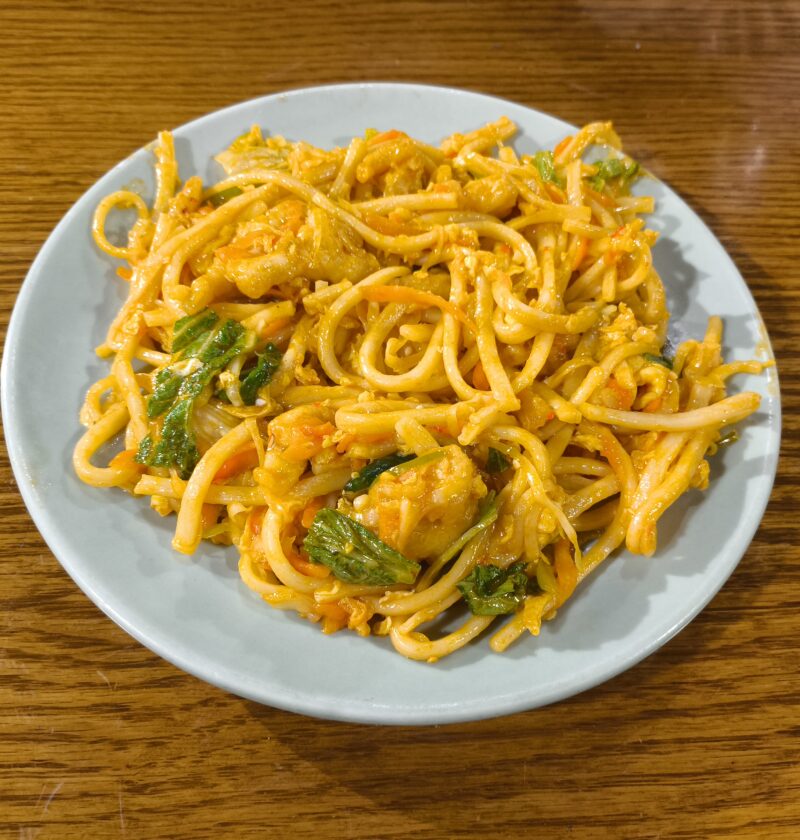
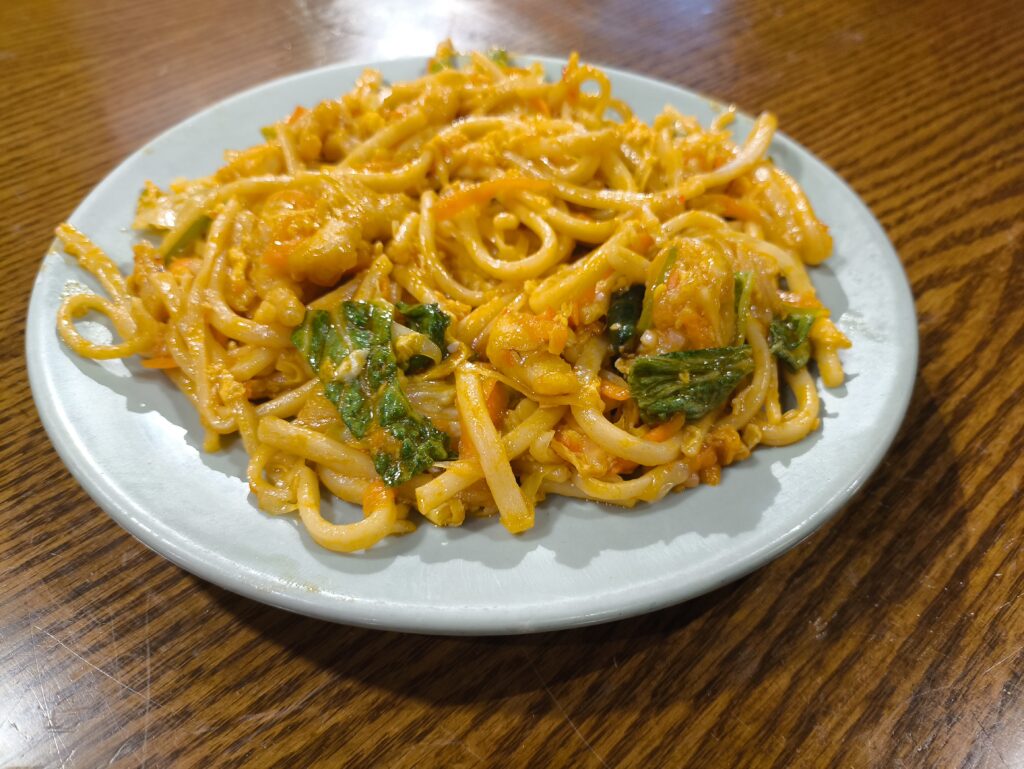
Sometimes, you need something really satisfying, right? A thing that strikes the right chord; savory, a bit salty, full of fresh ingredients and remarkably easy to prepare. My Seafood Chowmein recipe provides that very thing. Don’t think soggy takeout noodles, think bright, perfectly stir-fried noodles, seafood and crisp veggies, all covered in an irresistible sauce! Quick and easy to make, it’s a perfect pick for those hectic nights when you need maximum flavor with minimum effort. Trust me, once you make this at home, you’ll wonder why you ever ordered in!
Key Takeaways
Seafood Chowmein
Ingredients
For the Noodles:
-
-
- 16 ounces fresh or dried chowmein noodles
-
- 2 tablespoons sesame oil (for tossing noodles)
-
For the Sauce:
-
-
- 1/4 cup soy sauce
-
- 2 tablespoons oyster sauce
-
- 1 tablespoon rice vinegar
-
- 1 tablespoon dark soy sauce (for color, optional)
-
- 1 teaspoon sugar
-
- 1/2 teaspoon white pepper
-
- 1 tablespoon cornstarch mixed with 2 tablespoons water (slurry)
-
For the Stir-Fry:
-
-
- 1 tablespoon cooking oil (vegetable, canola, or peanut)
-
- 8 ounces medium shrimp, peeled and deveined
-
- 8 ounces squid, cleaned and cut into rings
-
- 2 cloves garlic, minced
-
- 1 inch fresh ginger, grated or minced
-
- 1 small yellow onion, thinly sliced
-
- 1 cup shredded cabbage
-
- 1 large carrot, julienned
-
- 1/2 cup snow peas
-
- 2 scallions, chopped (for garnish)
-
Instructions
-
-
- Prep the Noodles: Cook chowmein noodles according to package directions. They should be just tender, not mushy. Drain well, rinse with cold water to stop cooking, then toss with 2 tablespoons sesame oil to prevent sticking. Set aside.
-
- Make the Sauce: In a small bowl, whisk together soy sauce, oyster sauce, rice vinegar, dark soy sauce (if using), sugar, and white pepper. Whisk in the cornstarch slurry until smooth. This sauce is going to give your noodles incredible depth!
-
- Cook the Seafood: Heat 1/2 tablespoon cooking oil in a large wok or skillet over high heat until smoking. Add shrimp and squid. Stir-fry for 1-2 minutes until the shrimp are pink and the squid is opaque. Be careful not to overcook! Remove seafood from the wok and set aside.
-
- Stir-Fry Aromatics & Veggies: Add the remaining 1/2 tablespoon oil to the wok. Toss in minced garlic and ginger, stir-frying for about 30 seconds until fragrant. Don’t let them burn! Add sliced onion, shredded cabbage, julienned carrot, and snow peas. Stir-fry for 3-4 minutes until the vegetables are crisp-tender.
-
- Combine Everything: Add the cooked noodles and the stir-fried seafood back into the wok with the vegetables. Pour the prepared sauce over everything.
-
- Toss and Serve: Stir-fry quickly for 1-2 minutes, tossing continually to make sure the sauce coats all the noodles and ingredients evenly. The noodles should have a lovely sheen. Garnish with chopped scallions and serve immediately. Enjoy the rich aromas!
-
The Art of Chowmein Making – Tips from the experts
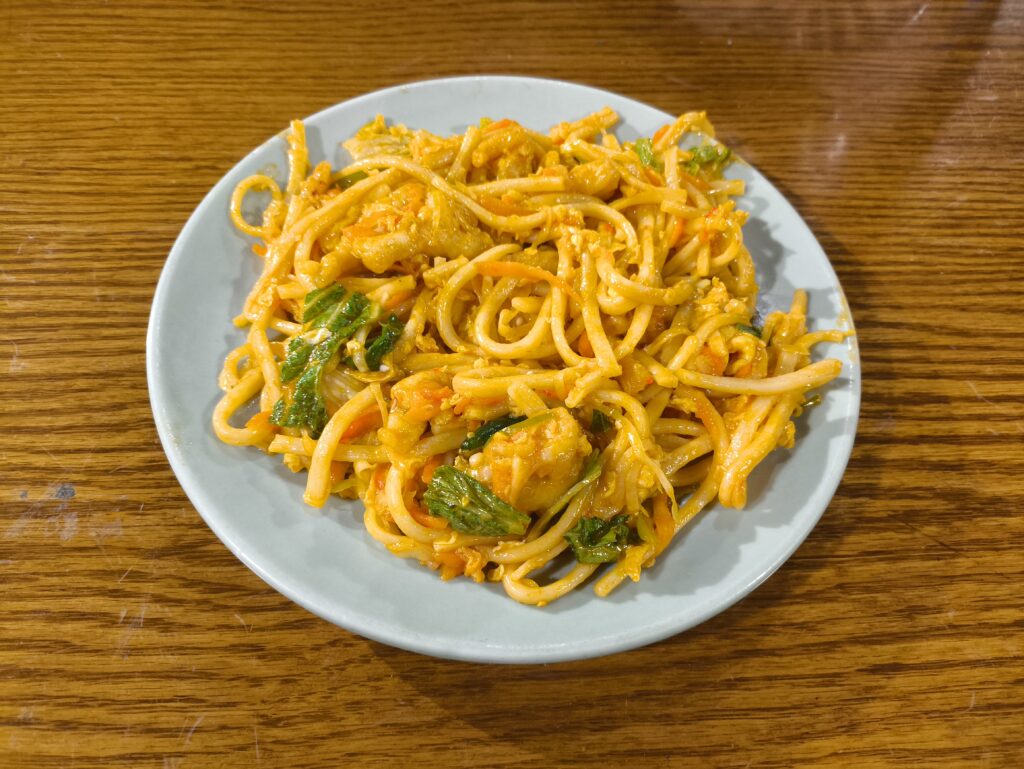
While making chowmein at home may seem like a challenge, it’s possible with a few simple tricks. We’re looking for noodles that bounce back, not turn to mush and seafood that is tender, not rubbery.
The Right Noodles Make All the Difference
When it comes to noodles, there are choices to be made. My favorite is fresh chowmein noodles from an Asian grocery store, they have the best texture. Dried egg noodles or even thin spaghetti will do in a pinch if not available, just be sure to cook them “al dente”.
Pro Tip: When boiling your noodles, undercook them by about a minute compared to package directions. They’ll finish cooking in the wok and soak up all that yummy sauce without getting soft and clumpy. Nobody wants gummy noodles!
Wok Hey Secrets: The Flavor You Crave
“Wok hei” means “breath of the wok” and refers to that incredible smoky charred taste that comes from stir-frying at high temperatures. However, it’s not necessarily a professional wok burner that you need, you can get a decent version of it at home. Getting close:
- High Heat is Key: Always cook on the highest heat your stove can muster. This is crucial for crisp vegetables and that lovely slight char on your noodles.
- Don’t Crowd the Wok: This is where I messed up the first time I tried this recipe. I piled everything in at once, thinking I was saving time. Instead of stir-frying, I just steamed everything. Not ideal! Cook in batches if your wok or skillet isn’t huge. Doing so lets ingredients sear and develop flavor instead of just releasing water.
- Prep Ahead: Have all your ingredients chopped and ready to go before you even turn on the burner. Stir-frying happens fast, so you won’t have time to slice carrots mid-cook.
Perfect Seafood Prep: Tender & Flavorful Every Time
Seafood cooks incredibly fast, and overcooking is the enemy of good chowmein. Shrimp and squid are particularly sensitive.
- Shrimp: Look for medium to large shrimp. Peel and devein them, leaving the tails on or off—your preference. They’ll turn pink and curl when cooked, taking only a minute or two per side.
- Squid: Clean the squid thoroughly, removing the quill and any internal bits. Slice the body into rings and score the inside of the pieces in a crosshatch pattern. This helps it cook evenly and curl beautifully. Just like shrimp, squid cooks fast! It goes from tender to rubbery in seconds, so watch it closely.
Chowmein Sauce Secrets: The Heart of the Dish
The sauce is where all the magic happens. My recipe uses a simple combination, but you can definitely adjust it to your taste.
- Soy Sauce: I use both regular soy sauce for saltiness and a touch of dark soy sauce for that beautiful, rich color. Dark soy sauce is thicker and less salty, meant primarily for color.
- Oyster Sauce: This adds a savory depth and a hint of sweetness. It’s a must-have for authentic flavor.
- Sugar & White Pepper: A little sugar balances the saltiness, and white pepper adds a classic subtle warmth.
- Cornstarch Slurry: This is your secret weapon for a glossy, clingy sauce. It helps the sauce stick to the noodles and seafood rather than pooling at the bottom of the wok.
Vegetable Variations
Honestly, you can throw almost any stir-fry friendly veggie into this chowmein. Here are some of my favorite additions:
- Bell peppers: Red, yellow, or green for color and a sweet crunch.
- Mushrooms: Sliced shiitake or cremini add an earthy depth.
- Bok choy: Chop the whites and greens separately, adding the whites first, then the greens.
- Bean sprouts: Add them right at the end for extra freshness and crunch.
Just remember to add veggies based on their cooking time, harder ones first, softer ones later.
Leftover Love: Storing and Reheating
If you happen to have any leftovers (it’s rare, I know!), this chowmein stores quite well.
- Storage: Let it cool completely, then transfer it to an airtight container. It’ll stay fresh in the fridge for up to 3 days.
- Reheating: The best way to reheat is in a hot wok or skillet with a tiny bit of oil. Stir-fry quickly until heated through. The noodles will re-crisp slightly, and the flavors will come alive again. A microwave works too, but you might lose some of that texture.
Give this Seafood Chowmein a try, and I’m sure it’ll become a regular in your meal rotation. It’s definitely a winner! What seafood do you usually go for in your chowmein? Please share it in the comments below!
Frequently Asked Questions
What kind of noodles should I use for seafood chowmein?
The best choice is fresh chowmein noodles, which you can usually find in the refrigerated section of Asian grocery stores. If those aren’t available, dried egg noodles or even thin spaghetti can make a good stand-in. Just make sure to cook them al dente so they don’t get mushy.
Can I add other types of seafood?
Absolutely! This recipe is incredibly versatile. Feel free to include scallops, mussels, or even chunks of firm white fish like cod. Just remember that different types of seafood cook at different rates, so add them according to their needs to avoid overcooking.
How do I make this dish spicier?
If you like a kick, you’ve got a few ways to increase the heat! You can add some sliced fresh chilies (like bird’s eye chilies) to the wok with the garlic and ginger. A dash of chili oil or sriracha at the end, or even a teaspoon of chili flakes in the sauce, will also give it a lovely fiery touch.
Can I make this ahead of time?
While it’s best enjoyed fresh off the wok, you can do some prep work in advance. You can cook and drain the noodles, prepare the sauce, and chop all your vegetables hours before. This will cut down on your active cooking time significantly when you’re ready to eat. Cook the seafood and assemble the dish just before serving.
What’s the difference between chowmein and lo mein?
Honestly, the main difference often comes down to how the noodles are prepared. Chowmein traditionally involves stir-frying the noodles, often with a slight crispness, while lo mein typically involves tossing boiled noodles with sauce and other ingredients, making it a “toss” rather than a “fry.” My recipe focuses on getting those classic stir-fried chowmein textures.