Finding out how to make an ordinary dish of cod extraordinary by using a mixture of spices blended into a fluffy batter was a real discovery for me. This dish is perfect because it contains a unique combination of crispy and juicy pieces of fish cooked in a special way. In this recipe, I will tell you how to make fish and chips as delicious as in your favorite neighborhood bistro. You will try to create on your own a real comfort food that people of the United Kingdom have been enjoying for generations.
The first time I tried to make this meal, I was so anxious about the batter that I forgot to cook chips in the meantime. As a result, I ended up with unpleasant mushy chips and fish that was not properly cooked. Since then, I have learned that making fish and chips is not just about preparing the dish but creating a real culinary experience. In addition to fish, chips are no less important, and the key to preparing them is double frying.
So, you are going to make fish that is perfectly cooked in a crispy and golden batter. You will also make chips that will turn out to be amazingly crispy on the outside and tender on the inside. All this will create a dish that will delight everyone and for which they will ask for a second one.
Fish and chips
Achieve golden, crunchy fish and perfectly fluffy chips for a heartwarming meal right in your own kitchen.
Ingredients
-
-
- 2 lbs Russet or Maris Piper potatoes, peeled and cut into 1/2-inch thick fries
-
- Salt, to taste
-
- 6-8 cups vegetable oil or peanut oil, for frying
-
- 1.5 lbs cod, haddock, or pollock fillets, skinless and boneless, cut into 4-6 oz portions
-
- 1 cup all-purpose flour
-
- 1/2 cup cornstarch
-
- 1 teaspoon baking powder
-
- 1 teaspoon salt
-
- 1/2 teaspoon black pepper
-
- 1/4 teaspoon paprika (optional)
-
- 1 cup very cold sparkling water or light lager/pale ale
-
- Lemon wedges, malt vinegar, or tartar sauce, for serving (optional)
-
Necessary Utensils & Equipment
-
-
-
- Large deep pot or Dutch oven (for frying)
-
- Deep-fry thermometer
-
- Wire rack with a baking sheet
-
- Large mixing bowls (2-3)
-
- Tongs or slotted spoon
-
- Potato peeler
-
- Sharp knife
-
- Paper towels
-
-
Instructions
-
-
-
-
- Prepare the Chips (First Fry): Place your cut potatoes in a large bowl and rinse them under cold water until the water runs clear. This gets rid of excess starch, which helps with crispness. Dry them thoroughly with paper towels or a clean kitchen towel.
-
- Heat Oil for Chips: Pour the vegetable or peanut oil into your deep pot, filling it no more than halfway. Heat the oil to 325°F (160°C) using a deep-fry thermometer to monitor the temperature.
-
- First Fry: Carefully add about half of the potatoes to the hot oil. Don’t overcrowd the pot, as this will drop the oil temperature too much. Fry for 5-7 minutes until the potatoes are cooked through but still pale. They should be soft in the center.
-
- Drain and Rest Chips: Remove the par-fried chips with tongs or a slotted spoon and place them on a wire rack set over a baking sheet to drain. Let them rest while you prepare the fish. You can do the second fry later, just before serving.
-
- Prepare the Fish Batter: In a large mixing bowl, whisk together the all-purpose flour, cornstarch, baking powder, salt, pepper, and paprika (if using). Gradually pour in the very cold sparkling water or beer, whisking until you have a smooth batter with no lumps. It should be thick enough to coat the back of a spoon, but still pourable.
-
-
-
Pro Tip: Don’t overcrowd your fryer! Frying in batches is key to maintaining oil temperature and ensuring every piece gets perfectly crispy.
-
-
-
- Prepare the Fish: Pat your fish fillets very dry with paper towels. This helps the batter stick better and prevents splattering in the oil. Season the fish lightly with a pinch of salt and pepper if desired.
-
- Heat Oil for Fish: Increase the oil temperature to 375°F (190°C) for frying the fish.
-
- Batter and Fry Fish: Dip each fish fillet into the prepared batter, letting any excess drip off. Carefully lower one or two pieces of battered fish into the hot oil. Fry for 5-7 minutes, flipping once halfway through, until the fish is golden brown and cooked through. The batter should be wonderfully crisp and audibly crackle.
-
- Drain Fish and Keep Warm: Remove the fried fish from the oil and place it on a clean wire rack over a baking sheet. Season immediately with salt. Keep the fried fish warm in a low oven (around 200°F/95°C) while you finish the remaining batches and the chips.
-
- Second Fry for Chips: Once all the fish is fried and kept warm, bring the oil temperature back up to 375°F (190°C). Fry the par-fried chips in batches again for 2-4 minutes, or until they are deeply golden brown and very crisp. This double-frying method is what gives you those irresistibly fluffy interiors and crunchy outsides.
-
- Season and Serve: Remove the golden chips from the oil, drain them on paper towels, and season generously with salt. Serve the hot fish and chips immediately with lemon wedges, malt vinegar, and your favorite tartar sauce.
-
-
Expert Tips for a Perfect Meal
Getting fish and chips just right can feel like an art, but with a few pointers, you’ll be consistently turning out delicious results. These tips will help you troubleshoot common issues and even explore some delightful variations.
Oil Temperature is Everything
Maintaining the proper oil temperature is critically important to deep-frying. Oil that is too cool will lead to greasy food while oil that is too hot will burn the food. Using a good deep-fry thermometer is essential to ensure properly fried food. Never guesswork when it comes to frying food.
Remember that adding food to the oil will cool the oil down. In order to get the best results, cook food in small batches and allow the oil to heat back up to temperature in between. This way you get even cooking and a nice deep-fried crust.
Batter Up!
The secrets of the amazing crispy and airy batter are in the following details. Firstly, you should use sparkling water or beer that is ice-cold. The ideal temperature difference between the liquid and the room is 20 degrees. Secondly, it is better not to beat the batter too long and leave some lumps – the longer you beat it, the more gluten will be formed, and the denser the fish will be.
By the way, if you want to get a thicker crust, you can dip the fillets into the flour before putting them into the wet batter. Besides, you can also use various dry herbs and spices. For example, cayenne pepper or garlic powder mixed with flour will give the fish a spicy and tasty crust.
Choosing Your Catch
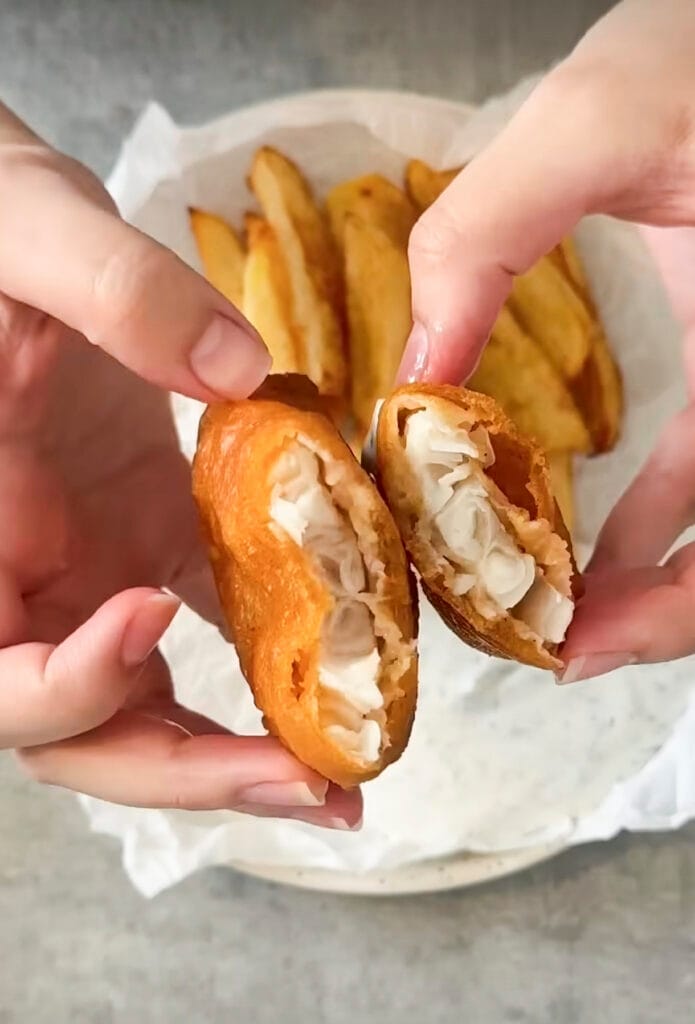
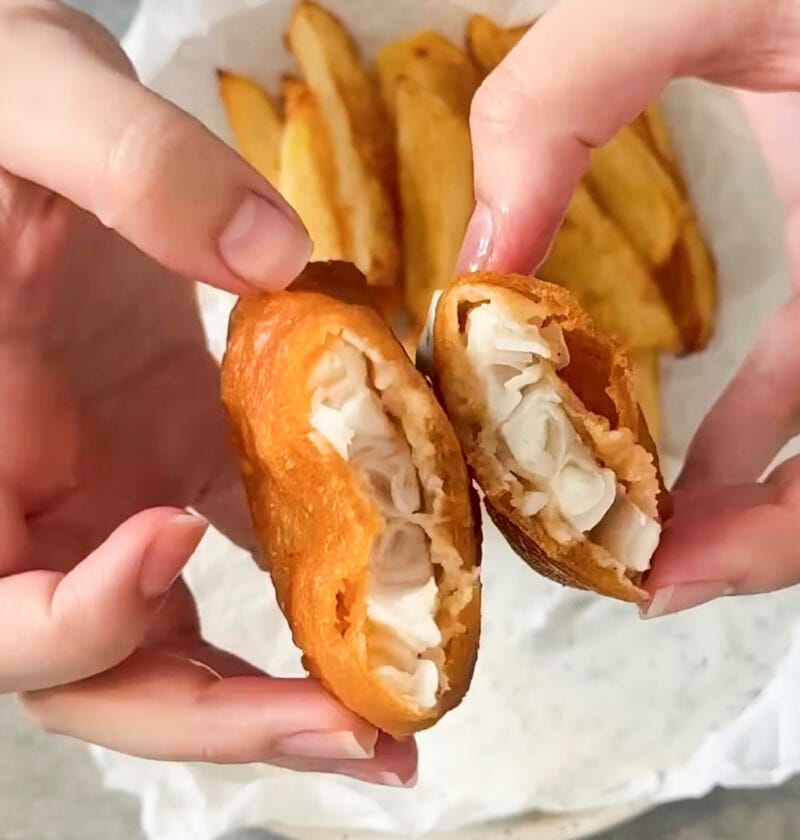
While cod and haddock are the traditional choices for fish and chips, you have options! The best fish for frying are white, flaky, and firm enough to hold up to the heat.
- Cod: A classic for a reason. It’s mild, flaky, and widely available.
- Haddock: Similar to cod but often a bit sweeter and finer in texture.
- Pollock: A more budget-friendly option that still fries up beautifully.
- Hake: Another great choice with a delicate flavor and tender flesh.
Avoid overly oily or delicate fish that might fall apart in the fryer. You want something that will give you substantial, satisfying fillets.
Serving Suggestions
While fish and chips are a complete meal on their own, there are classic accompaniments that really round out the experience. A squeeze of fresh lemon juice brightens everything up, cutting through the richness. Malt vinegar offers that quintessential tangy bite that many people adore with their chips.
Don’t forget the sauces! Tartar sauce is a must-have for many, offering a creamy, herby contrast. For an authentic British feel, consider serving with mushy peas – a vibrant, savory addition that’s surprisingly easy to make from dried marrowfat peas.
Keeping Leftovers Delicious
Leftover fish and chips are best enjoyed promptly, but if you have some, you can certainly reheat them. For the crispiest results, avoid the microwave. Preheat your oven or an air fryer to 375°F (190°C). Place the fish and chips on a wire rack over a baking sheet (or directly in the air fryer basket) and heat for 10-15 minutes, or until thoroughly heated and crispy again. You might want to reheat fish and chips separately, as the chips often need a bit longer to regain their crunch.
Frequently Asked Questions
What’s the best fish to use for fish and chips?
For classic fish and chips, the top choices are typically cod or haddock. Both are white, flaky fish with a mild flavor that pairs wonderfully with crispy batter. Haddock tends to be a bit sweeter, while cod is widely available and always a solid choice. Other good options include pollock or hake.
Can I make this recipe in an air fryer or oven?
While you can bake or air fry fish and chips for a lighter version, the deep-fried method truly delivers that authentic, unbeatably crispy texture. If you opt for air frying or baking, you won’t get the exact same result, but it can still be delicious. For air frying, use a light coating of oil spray and follow manufacturer instructions for fish fillets and potato fries, usually around 15-20 minutes at 400°F (200°C), flipping halfway.
How can I keep my chips from getting soggy?
The key to non-soggy chips is the double-fry method, rinsing the potatoes thoroughly to remove starch, and making sure they are completely dry before frying. Also, don’t overcrowd the fryer; this drops the oil temperature and leads to greasy, limp chips. After the second fry, drain them well on paper towels and serve immediately. Adding salt right after frying also helps draw out surface moisture.
What sides go well with homemade fish and chips?
Beyond the classic lemon wedges, malt vinegar, and tartar sauce, many enjoy mushy peas, a British staple. A simple side salad with a light vinaigrette can also be a fresh contrast. Coleslaw, pickled onions, or even a flavorful curry sauce are other popular accompaniments that round out the meal beautifully.
Can I prepare the batter ahead of time?
It’s best to prepare the batter just before you’re ready to fry the fish. The carbonation from the sparkling water or beer is what gives the batter its lightness and crispness, and this effect diminishes over time. If you absolutely must make it a little in advance, keep it tightly covered in the refrigerator for no more than 30 minutes, but truly fresh batter yields the best results.