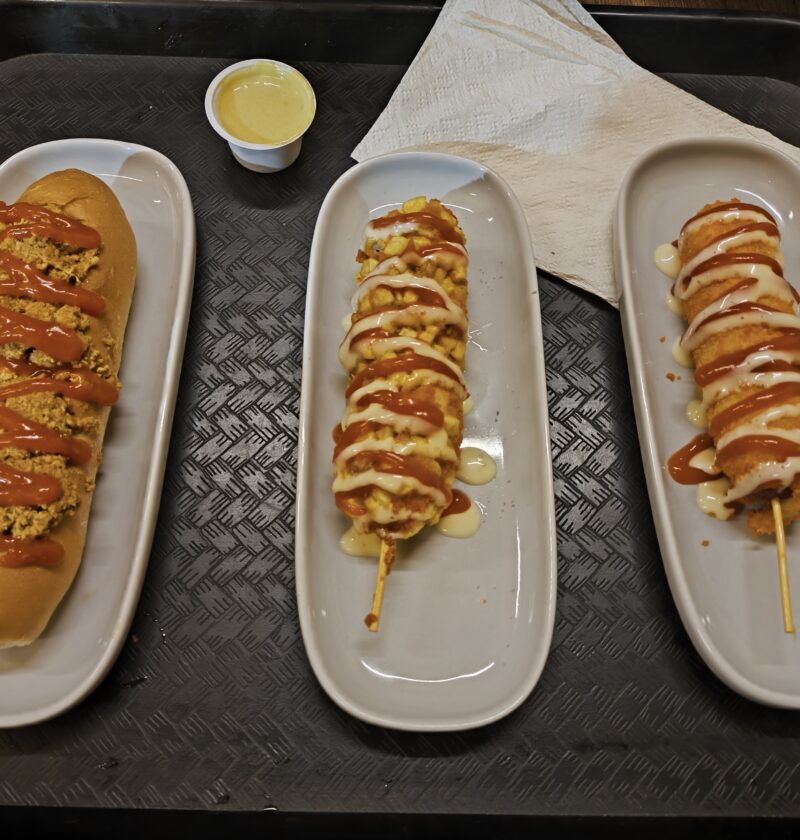
Memories come back, when one just hears the word CORNDOG. It could be a carnival snack, a booth stand or a simple hot dog lunch you picked up somewhere, but something about a well-cooked hot dog with perfectly golden, crispy batter just around it is something quite special indeed.
You may be of the opinion that they are difficult to prepare at home but I assure you, they are not! By using a few tricks, and the proper approach, you can make corndogs that make you even think better of than the ones you recall. No more careworn exteriors or tastelessness, we want rich golden excellence with a good crunch. Ready to dive in?
How to make the perfect corndog?
Ingredients
-
-
- 10 high-quality hot dogs (all-beef recommended)
-
- 10 wooden skewers, about 8-10 inches long
-
- 1 1/2 cups yellow cornmeal
-
- 1 cup all-purpose flour
-
- 1/4 cup granulated sugar
-
- 1 tablespoon baking powder
-
- 1 teaspoon salt
-
- 1 large egg
-
- 1 1/4 cups milk (whole milk makes it richer!)
-
- 2 tablespoons melted butter
-
- 6 cups vegetable oil or peanut oil for frying
-
Instructions
-
-
- First things first, prep your hot dogs. Pat them really dry with paper towels. This helps the batter stick properly. Carefully push a skewer about three-quarters of the way into the length of each hot dog. Set them aside.
-
- In a large bowl, whisk together the cornmeal, flour, sugar, baking powder, and salt. Make sure there are no lumps in the dry mix.
-
- In a separate medium bowl, whisk the egg, milk, and melted butter until they’re well combined.
-
- Pour the wet ingredients into the dry ingredients. Stir them together until you have a smooth, thick batter. Don’t overmix, as that can make your corndogs tough. A few small lumps are perfectly fine.
-
- Now, here’s a trick: pour your batter into a tall, narrow glass or a measuring cup. This makes dipping much easier and helps ensure the hot dog gets completely covered.
-
- Heat your frying oil in a deep pot or Dutch oven over medium-high heat. You’ll want it to reach a temperature of 350-375°F (175-190°C). Use a thermometer for accuracy—it’s super important for perfect results.
-
- Working one at a time, dip a hot dog on a skewer into the batter, twisting to coat it evenly. Make sure the entire hot dog is covered, right up to where the skewer begins.
-
- Carefully place the battered hot dog into the hot oil. Fry 2-3 corndogs at a time, depending on the size of your pot, making sure not to crowd them.
-
- Fry for about 3-5 minutes, turning occasionally, until they’re a beautiful deep golden brown and the batter looks crispy. The vibrant color tells you they’re ready!
-
- Use tongs to remove the cooked corndogs from the oil and place them on a wire rack set over a baking sheet lined with paper towels. This lets the excess oil drain off and keeps them crisp.
-
- Let them cool for a few minutes before serving. They’ll be hot! Serve your homemade corndogs with your favorite dipping sauces.
-
Expert Tips for Success: Get That Perfect Corndog Every Time
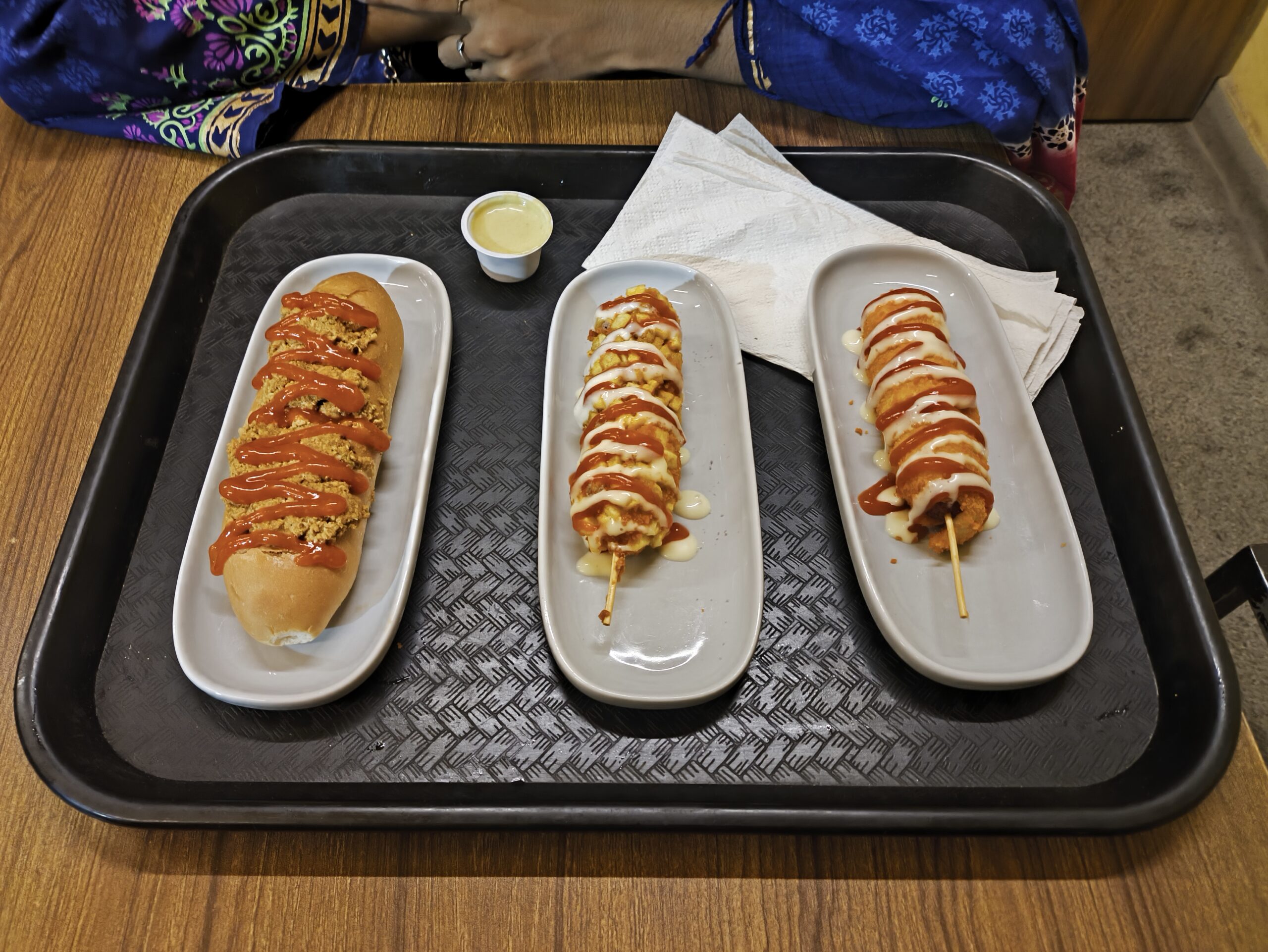
People thinks making corndog at home is tedious and it cannot be done as good as shops, but a few details can really make the difference between good and absolutely amazing. I’ve learned these through trial and (a few greasy) errors, so you don’t have to!
Pro Tip: Don’t underestimate the power of a hot dog. A good quality hot dog makes all the difference. Look for all-beef varieties with a natural casing for that satisfying “snap” when you bite into it. It really does elevate the entire experience!
The Right Oil and Temperature is Everything
Honestly, this is where most people go wrong. The oil temperature is king for a truly perfect corndog. If it’s too cool, your corndogs will soak up oil and be greasy. If it’s too hot, the outside will burn before the inside cooks through, and the batter might even slide right off. You want that sweet spot of 350-375°F (175-190°C).
I can’t stress this enough: use a good thermometer and keep a close eye on it throughout the frying process. The temperature will drop when you add cold hot dogs, so adjust your heat to bring it back up. Peanut oil is my favorite for frying because it has a high smoke point and a neutral taste, but vegetable oil works just fine too.
Prepping Your Hot Dogs for Optimal Adhesion
This is a small step that pays off big time. The first time I tried making these, I skipped drying the hot dogs, figuring “what difference could it make?” Well, let me tell you, it made a greasy, slippery mess! The batter just wouldn’t stick properly, and I ended up with patchy, sad-looking corndogs. Drying your hot dogs with paper towels removes excess moisture and oil, creating a rougher surface for the batter to cling to. It’s a quick step that saves you from frustration.
Also, consider the size of your hot dogs. Standard-sized ones work best. If you’re using super thick or extra-long varieties, you might need to adjust your cooking time slightly to make sure they’re heated all the way through.
Batter Consistency and Dipping Technique
Your batter needs to be thick enough to cling to the hot dog without being so thick it’s gloopy. We’re aiming for a consistency similar to pancake batter, maybe a touch thicker. If your batter seems too thin, you can add another tablespoon or two of cornmeal and flour. If it’s too thick, a splash of milk will fix it.
The tall glass trick? It’s a game-changer. Trying to dip in a wide, shallow bowl makes it nearly impossible to get full coverage. A narrow, deep glass lets you immerse the hot dog completely with just one dip, coating it evenly for that beautiful, golden shell.
Flavor Variations to Keep Things Exciting
While the classic corndog is amazing, don’t be afraid to experiment! Here are a few ideas to shake things up:
- Spicy Corndogs: Add a pinch of cayenne pepper or a dash of hot sauce to your batter for a little kick.
- Cheese-Filled: Slice your hot dogs lengthwise about halfway through and tuck in a strip of cheddar or Monterey Jack cheese before skewering and dipping.
- Mini Corndogs: Use cocktail sausages instead of full-sized hot dogs. These are perfect for parties and appetizers!
- Sweet Cornmeal: Increase the sugar slightly in the batter for a sweeter, more dessert-like corndog experience.
- Herbaceous: Mix a teaspoon of dried herbs like chives or a tiny bit of smoked paprika into your batter for a different flavor profile.
Storing and Reheating Your Homemade Corndogs
Got leftovers? Lucky you! Corndogs store surprisingly well. Once they’ve cooled completely, wrap them individually in plastic wrap or store them in an airtight container in the fridge for up to 3-4 days.
For reheating, the oven or air fryer is your best bet for keeping that delightful crispiness. A microwave will warm them up, but you’ll lose that crunch. To reheat, place them on a baking sheet and bake at 350°F (175°C) for 10-15 minutes, or air fry at 375°F (190°C) for 5-7 minutes, until heated through and crisp again.
Frequently Asked Questions
What kind of hot dogs are best for corndogs?
Honestly, you want high-quality hot dogs. I always recommend all-beef hot dogs, ideally those with natural casings. They tend to hold their shape better, have a richer flavor, and give you that satisfying “snap” when you bite into them. Avoid overly watery or super skinny hot dogs, as they might not hold up as well.
Can I make corndogs without a deep fryer?
Absolutely! You don’t need a fancy deep fryer. A sturdy, deep pot or a Dutch oven works perfectly. Just make sure it’s large enough to hold at least 3-4 inches of oil and has high sides to prevent splattering. Always use a cooking thermometer to maintain the correct oil temperature; it’s the real secret weapon here.
Why is my corndog batter falling off?
There are a few culprits here! The most common reasons are hot dogs that aren’t dry enough before dipping, or oil that’s not hot enough. Make sure to pat your hot dogs dry with paper towels. Also, ensure your oil is at the correct temperature (350-375°F or 175-190°C). If the batter is too thin, it might also struggle to cling; try adding a touch more cornmeal or flour to thicken it up.
What are the best dipping sauces for corndogs?
Oh, the options are endless! Classic yellow mustard is a no-brainer, of course. Ketchup is another fan favorite. But don’t stop there! Try a honey mustard dip, a spicy sriracha mayo, a tangy barbecue sauce, or even a sweet and savory maple syrup for a fun twist. Get creative with your dipping sauces; they add another layer of enjoyment to your homemade corndogs.
Can I make the corndogs ahead of time?
Yes, you can! As mentioned in the tips, cooked corndogs can be stored in the fridge for 3-4 days. They also freeze well. Just place them on a baking sheet in the freezer until solid, then transfer them to a freezer-safe bag or container. They’ll keep for up to a month. Reheat from frozen in the oven or air fryer for best results, adding a few extra minutes to the cooking time.