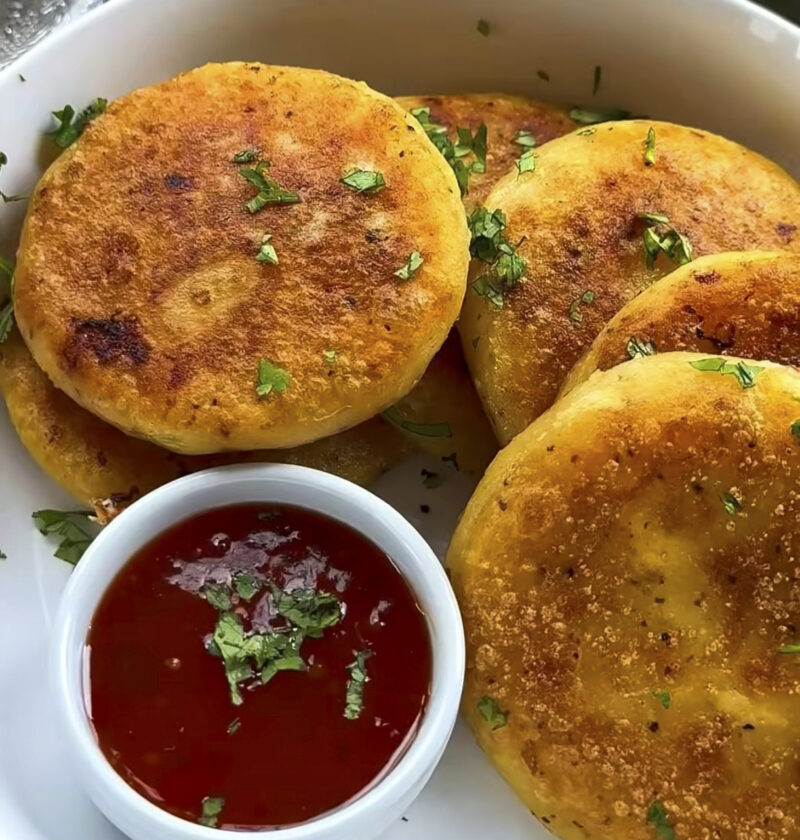
The comforting feeling of a traditional comfort food combined with the allure of a fried favorite; it’s a special treat, and that’s the best potato pancake ever. If you’ve ever tried any of these golden brown beauties, whether it’s latkes, kartoffelpuffer, or just potato fritters, there’s an overwhelming attraction to these little things. They conjure up cosy evenings and easy yet tasty pleasures, but they come with a thrilling crunch you won’t soon forget. Let’s dive into creating potato pancakes that are golden, crispy on the outside and soft and cheesy on the inside, so that every bite is a trip down memory lane, but new and improved. Be ready to go on a familiar and exciting journey!
Potato pancake
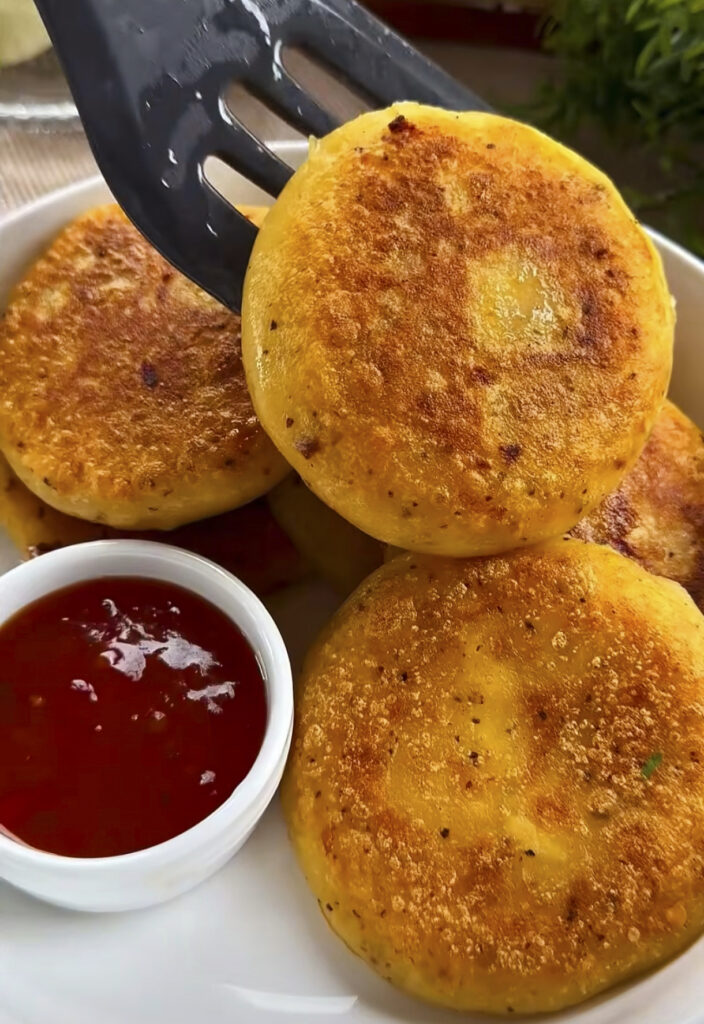
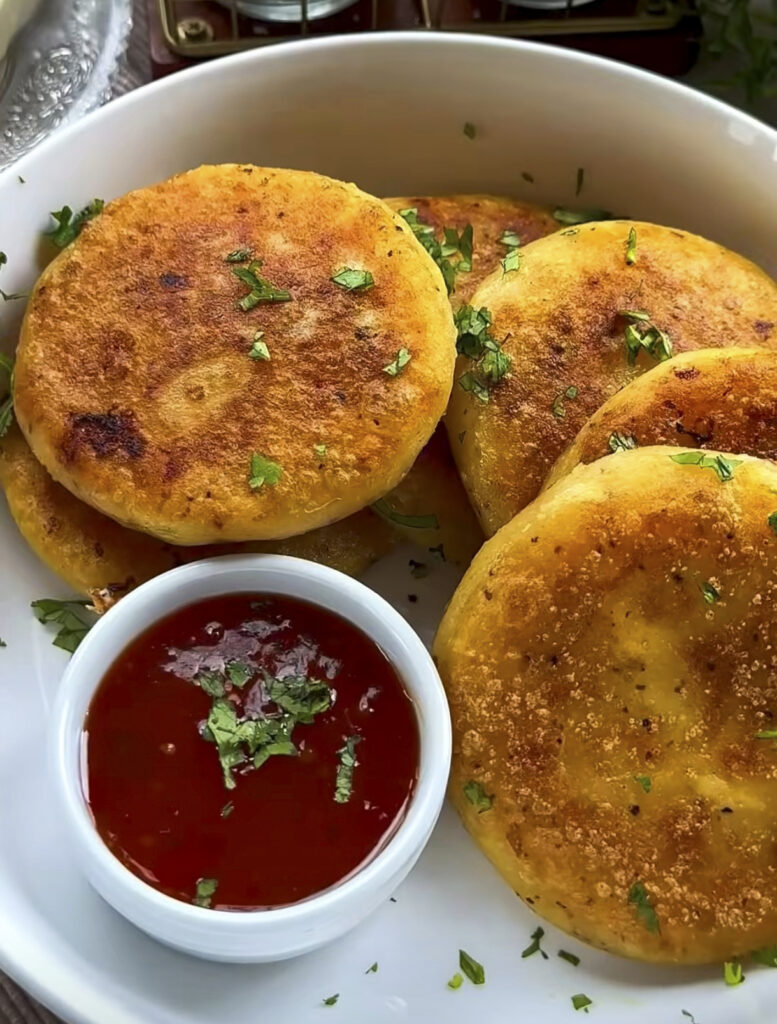
Golden-brown potato pancakes with a wonderfully crispy exterior and tender, savory interior.
Ingredients
-
-
- 2 lbs Russet potatoes, peeled
-
- 1 small onion, peeled
-
- 1 large egg
-
- 1/4 cup all-purpose flour
-
- 1 tsp salt
-
- 1/2 tsp black pepper
-
- 1/2 cup vegetable oil (or other high-smoke point oil) for frying
-
Necessary Utensils & Equipment
-
-
-
- Box grater or food processor with grating disc
-
- Large mixing bowl
-
- Clean kitchen towel or cheesecloth
-
- Large cast iron skillet or non-stick frying pan
-
- Spatula
-
- Measuring cups and spoons
-
- Paper towel-lined plate
-
-
Instructions
-
-
-
- Grate Potatoes and Onion: Start by peeling your Russet potatoes and the small onion. Using the large holes of a box grater is my preferred method because it yields lovely, long strands that fry up beautifully crispy. If you have a food processor with a grating attachment, that will make quick work of this step. You want a consistent, coarse shred, not a fine pulp.
-
- Squeeze Out Moisture: This is arguably the most vital step for truly crispy potato pancakes – don’t skip it! Transfer all the grated potato and onion mixture into the center of a clean kitchen towel or several layers of cheesecloth. Gather the ends of the towel, twist them tightly, and squeeze out as much liquid as you possibly can. You’ll be surprised by how much water comes out; it’s usually at least a cup! Discard the liquid. This crucial action removes the excess starch water, which would otherwise make your pancakes soggy.
-
- Combine Ingredients: Place the thoroughly dried potato and onion into a large mixing bowl. Crack in the large egg, sprinkle in the all-purpose flour, salt, and black pepper. Use your hands to mix everything together thoroughly. You want the flour and egg to evenly coat all the potato strands, acting as the binder that holds your pancakes together while they cook.
-
- Heat Oil: Pour the vegetable oil into your large skillet – a cast iron pan works wonders here for even heat distribution. You’re aiming for about 1/4 inch depth of oil. Heat the oil over medium-high heat until it shimmers visibly and a small drop of the potato mixture sizzles instantly upon contact. The right oil temperature is key for achieving that golden, crispy crust without burning.
-
- Form and Fry Pancakes: Scoop about 2-3 tablespoons of the potato mixture for each pancake. Gently flatten each mound into a disc approximately 1/2 inch thick. I like to make them slightly irregular; it adds to their homemade charm. Carefully place the pancakes into the hot oil. It’s really important not to overcrowd the pan. Giving them enough space prevents the oil temperature from dropping too drastically and allows them to fry properly rather than steam. You’ll definitely need to fry them in batches.
-
- Cook Until Golden: Fry the pancakes for 3-5 minutes on the first side. Don’t rush this part! You’re looking for a deep, rich golden-brown color and a satisfying crispness. Once achieved, carefully flip each pancake with a sturdy spatula and cook for another 3-5 minutes on the second side. Both sides should be equally golden and the interior should feel tender when lightly pressed.
-
- Drain and Serve: As each batch finishes cooking, transfer the crispy potato pancakes to a paper towel-lined plate. This helps to absorb any excess oil, keeping them perfectly crisp. Repeat the frying process with the remaining mixture, adding more oil to the pan if needed to maintain the 1/4 inch depth. Serve these beauties immediately, hot off the pan, with your favorite toppings like cool sour cream or sweet applesauce!
-
-
The first time I made potato pancakes, I was so excited I completely skipped the “squeeze out the water” step. My beautifully shaped potato patties hit the hot oil and… turned into soggy, steaming blobs. They were edible, sure, but definitely not the crispy delight I was dreaming of. That’s how I learned the hard way: moisture is the enemy of a truly crunchy pancake!
Best Ways To Make It
The type of potato you pick plays a bigger role than you might think in the final texture of your pancakes.
- Russet Potatoes: These are my top choice. They’re starchy, which helps them bind together beautifully, and they fry up incredibly crispy with a fluffy interior. Think of them as the classic canvas for this dish.
- Yukon Gold Potatoes: These are a great alternative if you prefer a slightly creamier texture. They hold their shape well but won’t be quite as fluffy as Russets.
- Avoid Waxy Potatoes: Varieties like red bliss or new potatoes are too waxy and contain too much moisture. They don’t shred or bind as well, and you’ll struggle to get that signature crispiness.
Achieving Peak Crispiness
Want that perfect crackle with every bite? It’s totally doable when you pay attention to a few simple factors.
Moisture Removal is Key: I can’t stress this enough: *really* wring out those grated potatoes and onions. The less water in your mixture, the crisper your pancakes will be. You’ll be genuinely surprised how much liquid you can remove, and it makes all the difference. This step is non-negotiable for superior results.
- Don’t Overcrowd the Pan: This is a common pitfall. Give your pancakes ample space in the skillet. If you jam too many in at once, the oil temperature drops significantly. This causes the pancakes to steam rather than fry, leading to a softer, less desirable texture. Fry in batches for the best outcome.
- Hot Oil Matters: Make absolutely sure your oil is adequately hot before adding the potato mixture. A quick sizzle when a tiny bit of potato hits the pan is precisely what you’re aiming for. Too cool, and your pancakes will absorb too much oil and become greasy; too hot, and they’ll burn before cooking through.
- Oil Depth: Maintain a consistent 1/4 inch of oil. This ensures even cooking and promotes that gorgeous golden crust all around the edges.
Seasoning and Flavor Twists
While these potato pancakes are fantastic on their own, a few simple tweaks can make them even more special and suit your personal taste.
- Herbaceous Kick: Fold in a tablespoon or two of fresh chopped chives or parsley with the potato mixture. The fresh herbs really brighten the flavor and add a lovely visual appeal. Dill is another fantastic option, especially if you’re serving with sour cream.
- Spicy Edge: For those who enjoy a little heat, add a pinch of cayenne pepper or a dash of your favorite hot sauce to the batter. A finely minced jalapeño or serrano pepper can also add a fresh, zesty spice.
- Garlic or Onion Powder: If you want a deeper savory profile, a teaspoon of garlic powder or onion powder can deepen the taste without adding more bulk.
- Cheese Please: A handful of grated Parmesan or sharp cheddar cheese folded into the mix can add a delicious savory dimension. Just be mindful that cheese can melt and affect crispiness if overused.
Creamy Pairings & Savory Sides
The classic accompaniments are classics for a reason, but don’t shy away from trying new things!
- Traditional Pairings: Cool sour cream or sweet applesauce are the timeless favorites, offering a lovely contrast to the hot, savory pancake.
- Yogurt Dip: You might also try a dollop of thick Greek yogurt seasoned with a sprinkle of fresh dill, chives, and a squeeze of lemon juice for a fresher, tangier option. Crème fraîche also works wonderfully for a richer experience.
- Brunch Favorite: These pancakes are a fantastic base for brunch. Top them with smoked salmon, a poached egg, and a sprinkle of capers for a truly decadent meal.
- Hearty Meal: They pair beautifully as a side dish with roasted chicken, pan-seared pork chops, or even alongside a fresh, crisp green salad for a lighter but satisfying meal. A spoonful of homemade applesauce on the side is always a win.
Storage and Reheating
Have leftovers? Consider yourself lucky! Here’s how to keep them tasting great.
- Storing Cooked Pancakes: Allow your potato pancakes to cool completely to room temperature before storing. Place them in an airtight container in the refrigerator for up to 3-4 days. Stacking them with paper towels in between can help absorb any residual moisture.
- Reheating for Crispiness: To bring back their much-loved crispiness, avoid the microwave at all costs – it will make them soggy. Instead, reheat them in a dry skillet over medium heat for a few minutes per side until warm and re-crisped. Alternatively, pop them in a toaster oven or air fryer at 350°F (175°C) for 5-7 minutes until heated through and crunchy again.
Frequently Asked Questions
Q: Can I use different types of potatoes for potato pancakes?
A: You absolutely can experiment! While Russet potatoes are usually favored for their high starch content – which is excellent for binding the mixture and yielding a fluffy interior – Yukon Golds are another fantastic choice. Yukon Golds will give you a slightly creamier texture and a beautiful golden color. However, I’d recommend staying away from waxy varieties like red or new potatoes, as they tend to release too much moisture and make it harder to achieve that desired crispiness. No matter your choice, the key step of squeezing out excess liquid remains paramount.
Q: Why do my potato pancakes fall apart in the pan?
A: This is a common issue, and it usually stems from one or two main culprits. First, you might not have squeezed enough liquid out of the grated potatoes and onion. Excess moisture makes the batter too loose and prevents it from binding properly. Second, ensure you’re using a large egg as a binder; sometimes a small egg isn’t quite enough. If the mixture still feels too wet after squeezing and adding the egg, try adding another tablespoon of flour until it holds together better when you form a patty. Also, make sure your oil is hot enough before adding the pancakes, as a cool pan can make them absorb oil and disintegrate.
Q: What’s the best way to grate potatoes for this recipe?
A: For that classic potato pancake texture, a box grater with the large-hole side is ideal. It creates those lovely, long shreds that become wonderfully crispy when fried. If you’re looking for speed, a food processor fitted with a grating disc will do the job quickly and efficiently. My recommendation is to avoid using the fine grater setting, as that can turn the potatoes into a watery pulp, which will hinder crispiness and make them harder to form.
Q: Can I make the potato pancake mixture ahead of time?
A: You can prepare the grated potato and onion mixture (after squeezing out all that water!) a few hours in advance and keep it refrigerated in an airtight container. However, once you incorporate the egg and flour, it’s best to fry them fairly quickly. The raw potatoes will start to oxidize and turn a grayish color once exposed to air, which isn’t harmful but isn’t as appealing visually. For the freshest taste and best appearance, mix and fry within 30 minutes of combining all ingredients.
Q: Are potato pancakes a healthy meal option?
A: Potato pancakes can certainly fit into a balanced diet! They provide complex carbohydrates from the potatoes, which offer sustained energy. While they are fried in oil, you can manage the portion size to keep calories in check. Our recipe suggests around 350 kcal per serving. For a lighter approach, you could experiment with using less oil for frying, or even baking them in the oven or an air fryer – though be aware the texture will be softer and less traditionally crispy. It’s all about mindful enjoyment and choosing your preferred cooking method! What’s your favorite way to enjoy them?