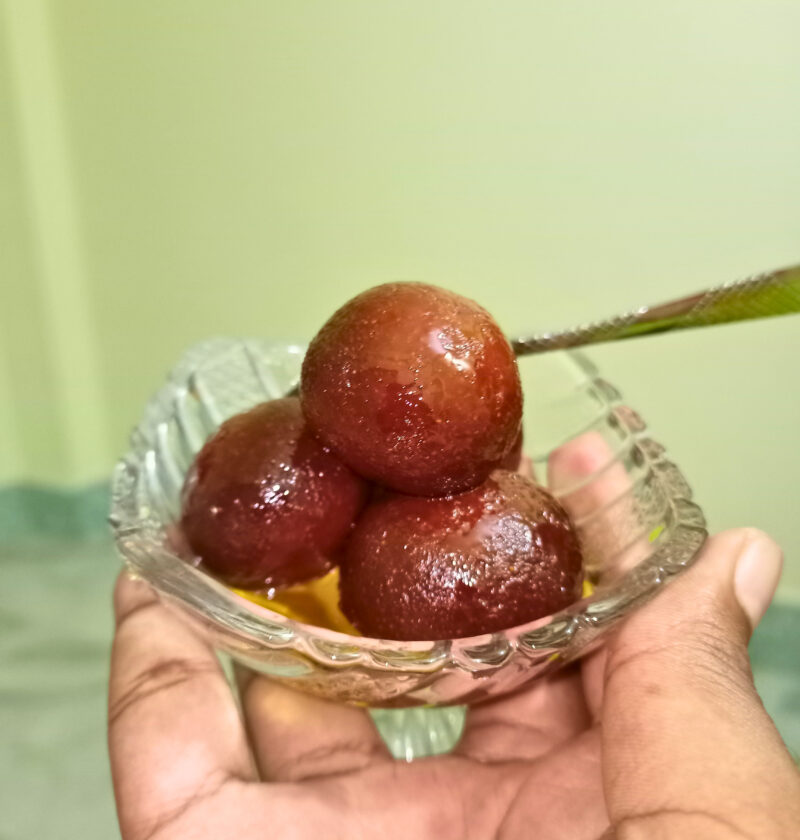
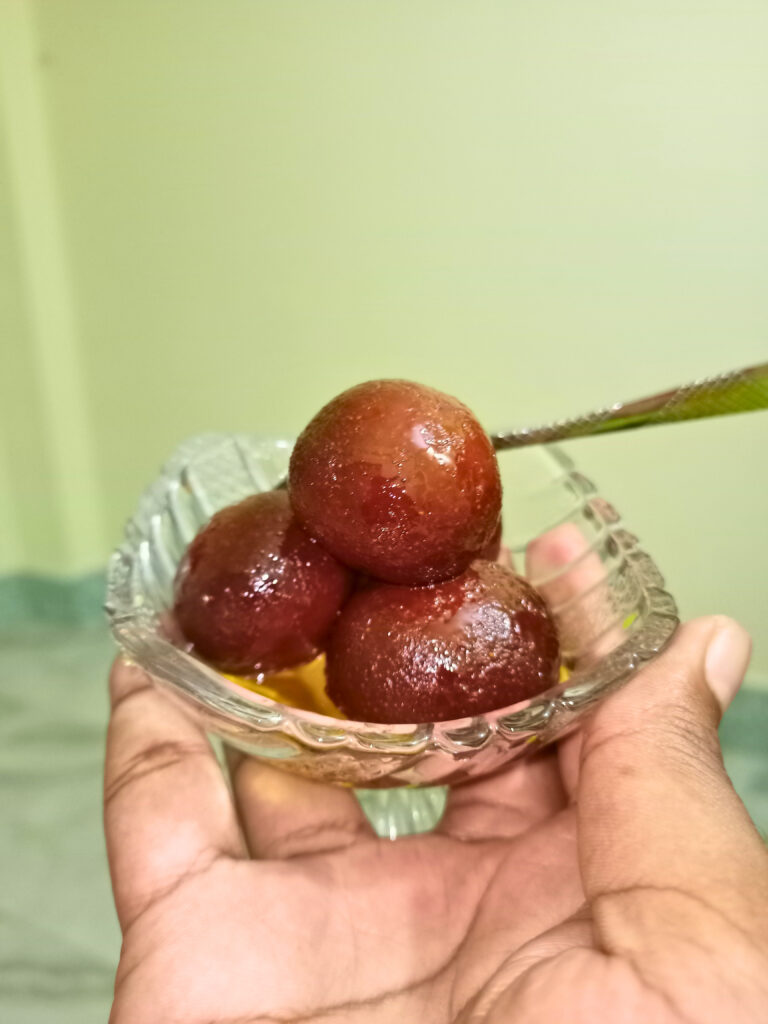
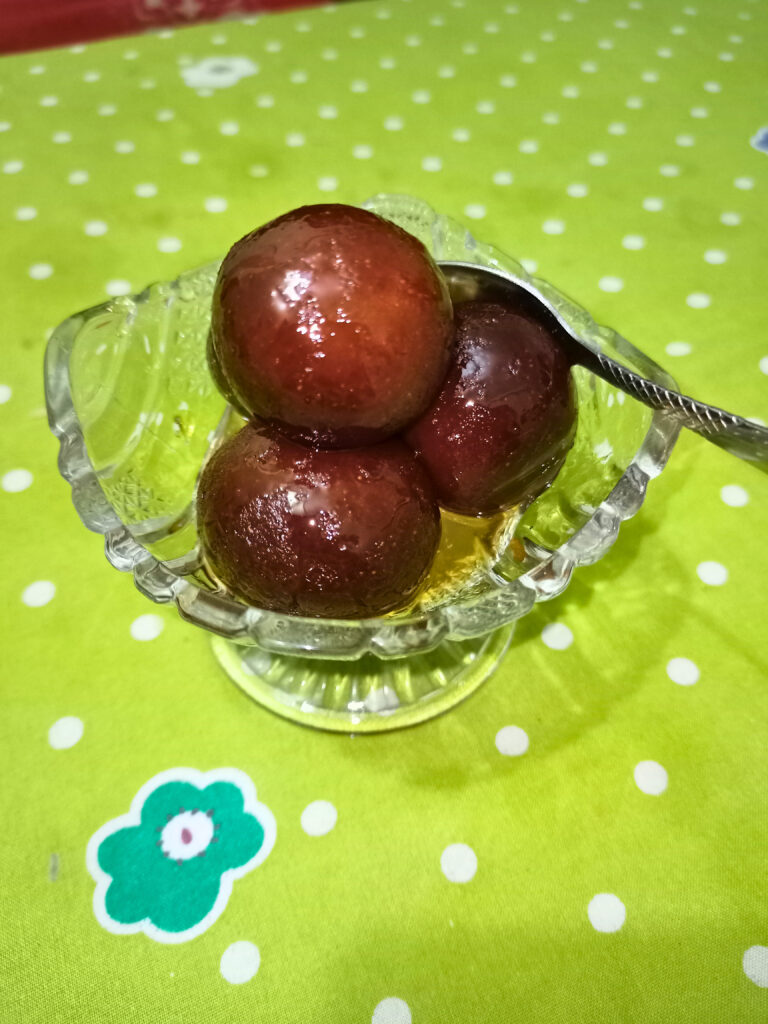
Ooh la la la, sugar plumpies! Looking forward to trying out one of the most popular desserts in India? Gulab Jamun – the wonderfully soft, spongy milk-solids-based balls gently fried and soaked in a fragrant, sweet syrup. They are heavenly when they melt in your mouth, as anyone who’s tried will know. But don’t worry, the process of making them at home isn’t as intimidating as it seems, and the payoff is well worth the time.
Today I’m super excited to share my go-to recipe with you. These are not the store-bought types, once made, you’ll never want to buy them again! It’s a feast of taste in every bite – ideal for special occasions or simply when you crave something sweet. Let’s get cooking!
Indian Gulab Jamun Sweet
Ingredients
For the Gulab Jamun Dough:
-
-
- 1 cup milk powder (full fat for best results)
-
- 2 tablespoons all-purpose flour (maida)
-
- 1/4 teaspoon baking soda
-
- 2 tablespoons ghee (clarified butter), melted
-
- 1/4 cup milk (warm), or as needed
-
- Oil or ghee for deep frying
-
For the Sugar Syrup:
-
-
- 2 cups granulated sugar
-
- 1.5 cups water
-
- 4 green cardamom pods, lightly crushed
-
- Few strands saffron (optional)
-
- 1 teaspoon rose water (optional)
-
Necessary Utensils & Equipment
-
-
-
- Saucepan for syrup
-
- Deep frying pan or Dutch oven
-
- Slotted spoon
-
- Measuring cups and spoons
-
- Plate lined with paper towels (for draining)
-
Instructions
-
-
-
- Make the Sugar Syrup: In a saucepan, combine sugar, water, and crushed cardamom pods. Bring to a boil over medium heat, stirring until the sugar dissolves completely. Reduce heat and simmer for 5-7 minutes until it becomes slightly sticky, but don’t let it thicken too much (no need for a specific string consistency). Remove from heat, stir in saffron and rose water (if using), and set aside to cool slightly.
-
- Prepare the Dough: In a large mixing bowl, whisk together the milk powder, all-purpose flour, and baking soda. Add the melted ghee and mix with your fingertips until the mixture resembles coarse breadcrumbs.
-
- Form the Dough: Gradually add warm milk, a tablespoon at a time, and gently bring the mixture together to form a soft, pliable dough. Be gentle; avoid kneading it vigorously. You want it just combined. Cover the bowl with a damp cloth and let it rest for 10 minutes.
-
- Shape the Jamuns: Grease your palms lightly with ghee. Divide the dough into small, equal portions (about 1-inch diameter). Gently roll each portion into a smooth, crack-free ball. Make sure there are no cracks, as these can cause them to break during frying.
-
- Heat the Oil: Pour oil or ghee into a deep frying pan or Dutch oven, enough for deep frying. Heat it over medium-low heat. The oil temperature is absolutely key here – it should be warm, not hot. Test with a tiny piece of dough; it should gently sizzle and slowly rise to the surface.
-
- Fry the Jamuns: Carefully drop 5-6 jamuns into the warm oil. Don’t overcrowd the pan. Fry them over very low heat, gently stirring and rotating them with a slotted spoon so they cook evenly and turn golden brown all over. This slow cooking ensures they cook through without burning. This can take 5-8 minutes per batch.
-
- Drain and Soak: Once golden brown, remove the jamuns with a slotted spoon and drain any excess oil on a paper towel-lined plate for a minute. Immediately transfer them into the warm (not boiling hot, not cold) sugar syrup.
-
- Rest and Serve: Let the jamuns soak in the syrup for at least 30 minutes, or ideally 2-3 hours, allowing them to plump up and absorb all that delicious sweetness. Serve warm or at room temperature, garnished with chopped pistachios or almonds if you like!
-
-
Key Takeaways
Your first step to soft jamuns is mastering the Dough
Well, the dough is where it begins (or gets tricky!) We are using milk powder which is a great time saver when you don’t have fresh khoya. The trick is to be really gentle when mixing. You need a soft, smooth dough, but overworking can cause the jamuns to be hard.
I was so excited the first time I made this recipe I kneaded the dough like for bread. Big mistake! I didn’t get the pillowy softness, my jamuns were a little hard and dense. So, as the old saying goes, “learn from my mistakes” and mix it until it’s just enough to hold it, and then set it aside. This brief rest will allow the flour to relax which will result in a much better texture.
Oil Temperature: The Unsung Hero of Gulab Jamun
This is likely the most important step to getting those even and perfectly cooked jamuns. If the oil is too hot, then the jamun will get browned on the outside but remain raw in the center. Nobody wants that! They will absorb too much oil and become greasy if it’s too cold.
You’re looking for medium-low heat. Add a small amount of dough. If it sizzles gently and slowly rises to the top, you’re good. If it immediately turns brown, turn down the heat. If it doesn’t, increase the volume slightly. This is a strategy that will be rewarded with patience, trust me. You want them to cook all the way through, and gently turn that beautiful golden brown.
Scent and flavor of the sweet embrace of syrup
The sugar syrup is not only a sweet bath, but it also adds to the juicy and flavourful Gulab Jamun. We’re looking for a slightly sticky syrup, not so thick that it won’t absorb, but not so watery that it just dilutes out the flavor. The cardamom and saffron are superstars here, giving it that classic and inviting aroma.
Pro Tip: Always make sure your syrup is warm, not boiling hot or cold, when you add the fried jamuns. A warm syrup helps the jamuns absorb the liquid more evenly and quickly, making them super soft and juicy inside.
As soon as these hot, fried balls touch the warm syrup, you can hear them sighing with delight, taking it all in. The aroma of cardamom and rose water in your kitchen is one of the most enjoyable aspects of creating this sweet.
Tips for Success
Making Gulab Jamun is a rewarding cook. Here are some pointers to help you along your way.
Troubleshooting Common Gulab Jamun Woes
Sometimes things don’t go exactly as planned, and that’s totally normal in cooking. Here are some solutions to common issues:
- Jamuns are hard: You likely overworked the dough, or the oil was too hot, cooking the outside too fast. Be gentle with the dough and fry on very low heat.
- Jamuns break in oil: This usually means your dough isn’t smooth enough, or it’s too dry. Make sure your balls are crack-free and the dough is soft but firm enough to hold its shape. Adding a tiny bit more milk or ghee to the dough can sometimes fix this.
- Jamuns aren’t absorbing syrup: The syrup might be too thick, or the jamuns cooled down too much before going into the syrup. Ensure your syrup is warm and not overly concentrated.
Flavor Variations to Try
While classic Gulab Jamun is perfect, feel free to play around with flavors:
- Nutty Centers: Add a tiny piece of almond, pistachio, or cashew inside each jamun ball before rolling.
- Rose Petal Garnish: A sprinkle of dried rose petals adds a beautiful touch and delicate scent.
- Cardamom Boost: If you’re a cardamom lover, add an extra pod or two to the syrup, or a pinch of ground cardamom to the dough.
- Khoya Swap: If you have access to fresh khoya, you can replace a portion of the milk powder with it for an even richer taste.
Storage Tips for Freshness
Gulab Jamuns are best enjoyed fresh, but they also keep well!
- Store them in an airtight container, submerged in their syrup, in the refrigerator. They’ll stay good for up to a week.
- When you want to eat them, simply warm them gently in the microwave or on the stovetop for a few seconds. The warmth really brings out the flavors and makes them soft again.
Frequently Asked Questions
Q: What exactly is Gulab Jamun?
A: Gulab Jamun is a classic Indian sweet made from milk solids (often milk powder or khoya), flour, and a touch of baking soda. These are rolled into small balls, deep-fried until golden, and then soaked in a fragrant sugar syrup flavored with cardamom and rose water. They’re soft, sweet, and absolutely delicious!
Q: Can I use regular milk instead of milk powder?
A: While traditional Gulab Jamun often uses khoya (reduced milk solids), milk powder is a popular and convenient substitute for homemade versions. Using just regular liquid milk wouldn’t give you the same texture for the balls themselves, though it’s used to bind the milk powder dough.
Q: How can I tell if my sugar syrup is the right consistency?
A: You want the syrup to be slightly sticky, but not too thick. When you dip a spoon in and let it cool for a second, it should feel tacky between your fingers, but it shouldn’t form a “one-string” consistency like for some other Indian sweets. If it’s too thick, it won’t soak into the jamuns properly.
Q: My Gulab Jamuns are too oily. What did I do wrong?
A: This usually happens if your frying oil isn’t hot enough. When the oil is too cool, the jamuns will absorb more oil rather than frying crisp. Make sure your oil is at the right low-medium temperature, as described in the instructions, for proper cooking.
Q: Can I make Gulab Jamuns ahead of time for a party?
A: Absolutely! Gulab Jamun taste even better the next day, after they have had time to absorb the syrup. Simply keep them in the refrigerator in their syrup in a sealed container and reheat them a bit before eating for maximum flavor.
Here it is then! Your ultimate recipe for making super yummy Gulab Jamun at home. It’s a little hands on cook, but everyone’s smile at the taste is just wonderful. Have you ever made sweets before?Ever made sweets before? What is your favourite thing about Gulab Jamun?