

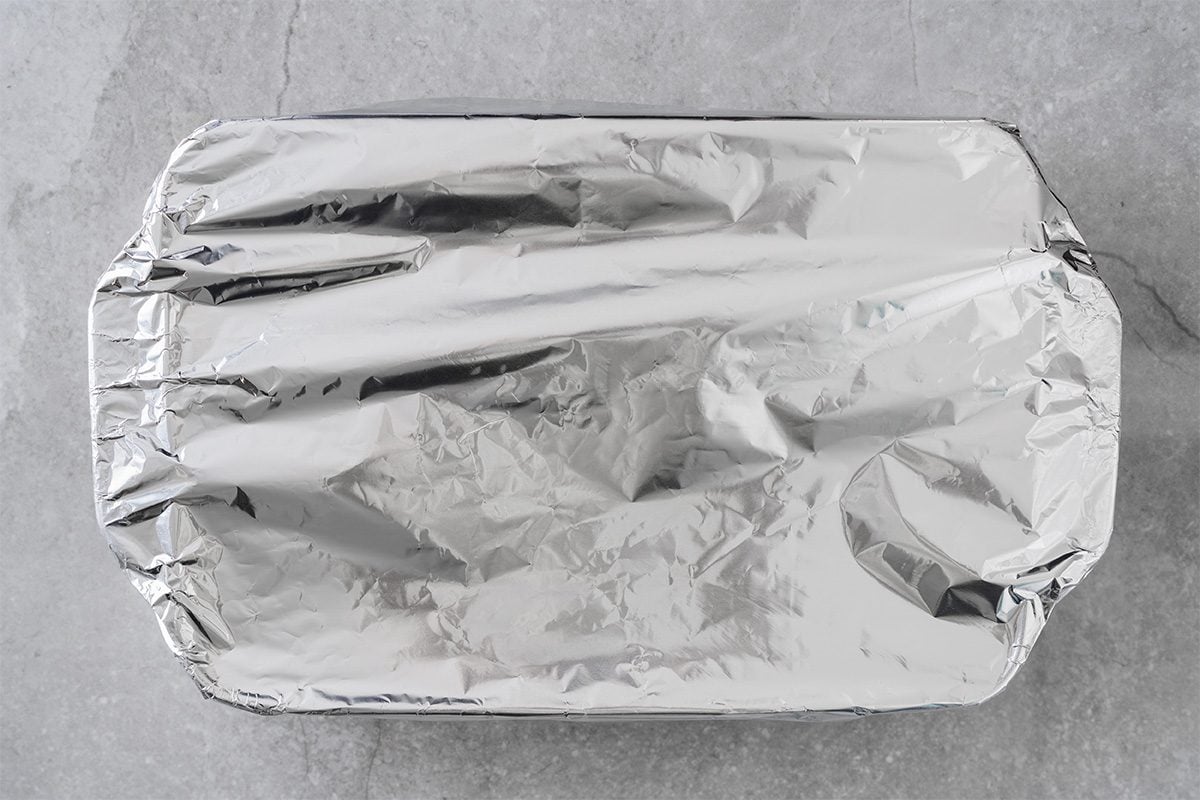
Well, I know exactly why you’re asking this question. The air fryer is a little miracle worker—it makes cleanup easier, and the food comes out deliciously crispy. But the baskets themselves? They can be a nightmare to scrub, especially when you’re dealing with melted cheese or sticky sauces. So, naturally, we all look to our old friend, aluminum foil, for help.
The short answer is yes, you can use aluminum foil in air fryer cooking, but there are some big, important caveats. If you just toss a sheet in there without understanding how your machine works, you’re not just risking uneven food; you could be creating a serious fire hazard. Let’s talk about how to do this right, so you keep your appliance happy and your chicken cooked evenly.
Key Takeaways
- Safety First: Learn the fundamental rules before putting any foil in the basket.
- Placement Matters: Where exactly you put the foil dictates whether your food cooks or burns.
- Airflow is Everything: Never block the bottom of the basket, or your food won’t crisp up.
- Consider Your Options: Why parchment paper liners often beat aluminum foil for easy cleanup.
The Simple Answer: Is Aluminum Foil Safe to Use in an Air Fryer?
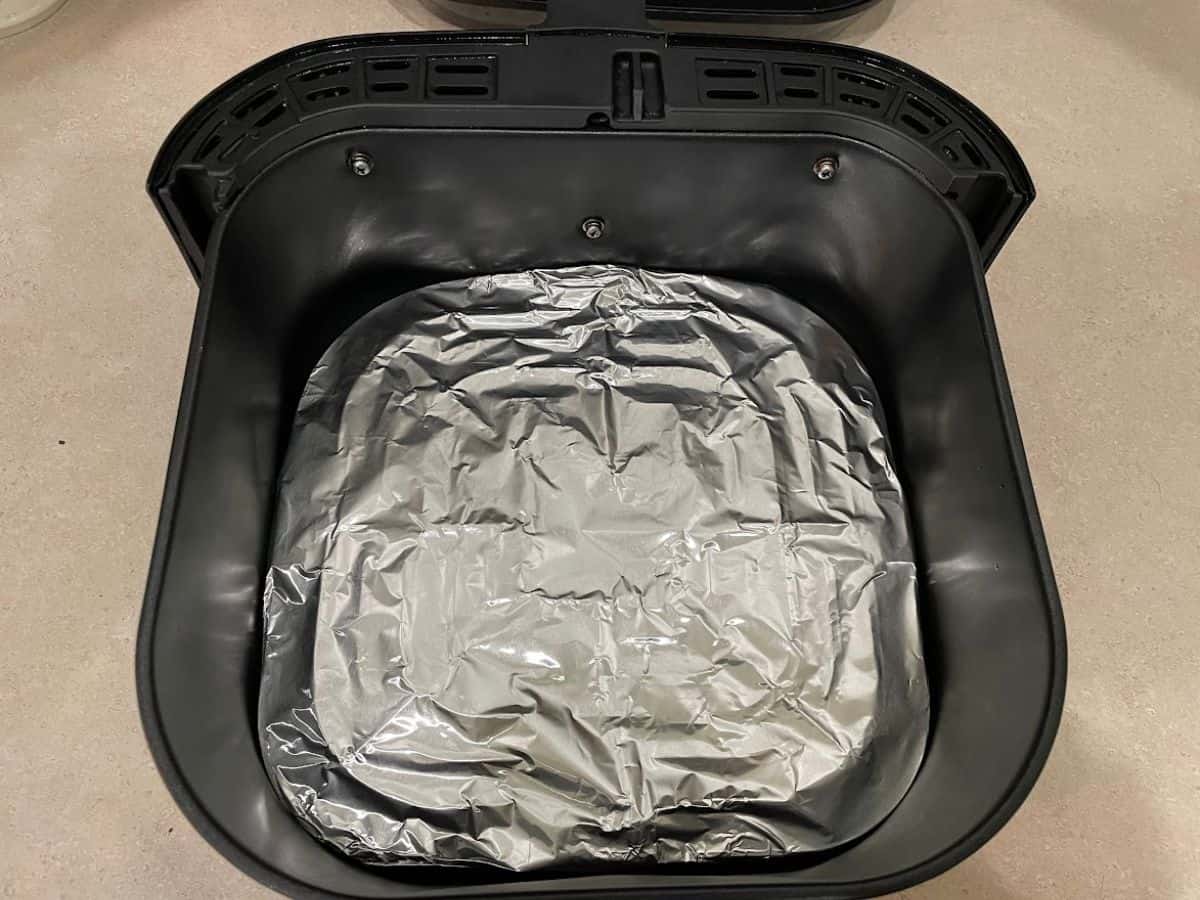
Image credit: www.alsothecrumbsplease.com
Look, the good news is that aluminum foil is generally safe to use inside an air fryer. Since most air fryers typically hit a maximum temperature of around 400°F (or occasionally 450°F), you’re well below the melting point of aluminum, which is way up in the 1,220°F range. So, you don’t need to worry about it melting or leeching toxins into your food based on temperature alone.
The main concern isn’t the material itself, but how it interacts with the appliance’s specific design. The air fryer is basically a tiny, powerful convection oven. It relies completely on super-hot air circulating rapidly. If you stop that air movement, the whole process fails.
One thing to keep in mind, though, is the potential for aluminum to react with acidic foods, like tomatoes, vinegar, or citrus juices. If you cook those types of foods directly on the foil, you might notice the foil degrades a little, potentially letting a bit of aluminum into your meal. While the FDA says trace amounts are fine, if you’re concerned about aluminum intake, it’s better to use something else for highly acidic dishes. Read more about aluminum in food safety
Where to Put the Foil (And Where Not To!)
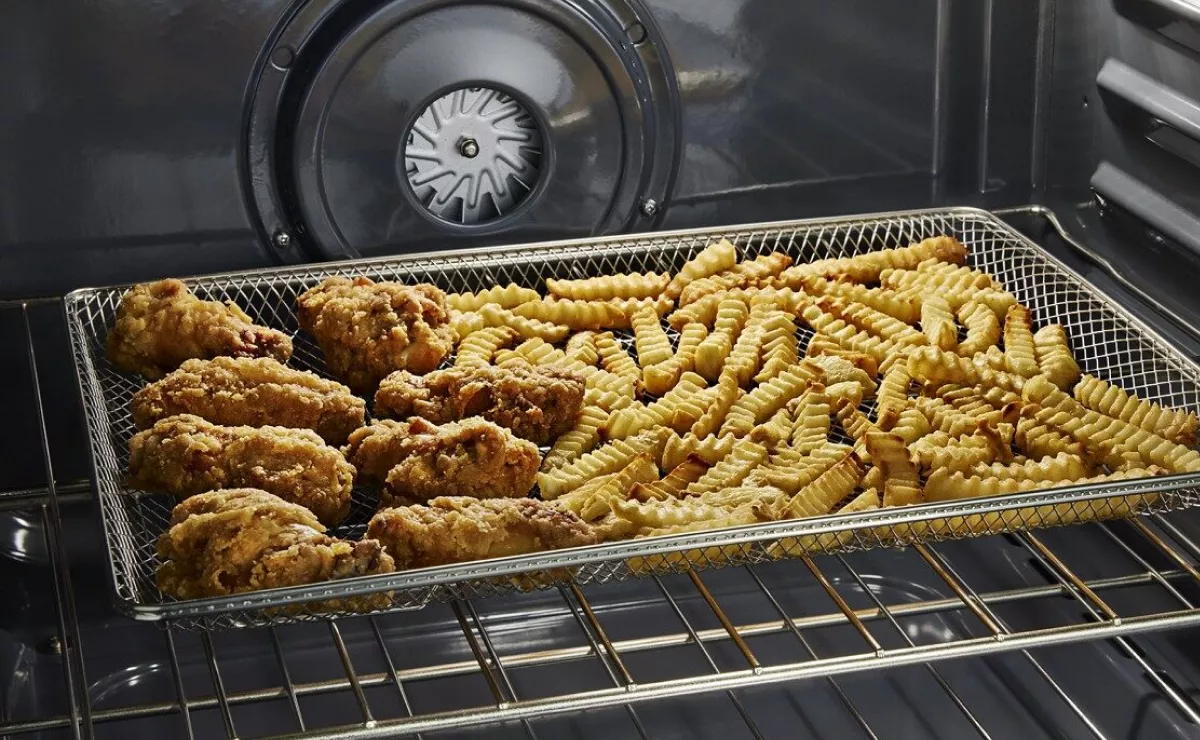
Image credit: www.maytag.com
This is where most people get tripped up. When you use aluminum foil in air fryer cooking, you must understand the geography of your specific machine. Most air fryers have two parts: the outer drawer (or pan) and the removable air fryer basket that sits inside it.
You can definitely place foil inside the air fryer basket itself—the part that holds your food. This works wonderfully for creating little grease trap areas or forming a small, contained foil packet to keep things like fish or chicken breasts nice and moist.
However, you absolutely cannot put the foil in the bottom drawer, underneath the basket, unless that drawer is completely full of food that is pinning the foil down. Why? Because the heating coil and fan are usually located right above the food. The air blasts down, heats up, and then rushes back up through the tiny gaps around the sides and underneath the basket.
If you put a loose sheet of foil down there, you’re creating a nightmare. That super-hot air will blast it up against the heating coil. You can almost feel it—the sound of that thin aluminum rattling and scorching up against the element. That’s how you risk damaging your machine or, worse, starting a small fire.
Why Airflow Matters More Than You Think
Image credit: spice.alibaba.com
The whole point of the air fryer is circulation. If you use a huge sheet of heavy duty aluminum foil that covers the entire bottom of your air fryer basket, you’re essentially turning your fryer into a tiny, inefficient oven. The hot air can’t get underneath the food to crisp it up.
I’ll never forget the first time I tried air-frying chicken drumsticks after lining the whole basket with foil to save on cleanup. The tops of the drumsticks were perfectly golden brown, but the bottoms were pale, rubbery, and totally undone. I had completely blocked the vents that allow the hot air to surround the meat.
It simply won’t cook right.
When you’re dealing with the non-stick coating of the air fryer basket, you want to protect it without sacrificing performance. That means if you do use aluminum foil, you must trim it down so that at least an inch of space remains open around the edges of the basket. This gap is vital for allowing proper heat distribution.
How to Avoid the Dreaded Air Fryer Fire Hazard
Image credit: www.imthecheftoo.com
Safety is huge here. Since we established that loose foil can fly up and hit the heating coil, the key rule is this: Anchor your foil. If you’re just using a little piece to contain bacon grease, make sure the food is heavy enough to hold the foil firmly in place.
You never want loose edges flapping around. When you make a foil packet, fold the edges down tightly so the shape is maintained throughout the cooking process. Use just enough foil to line the base of the food you’re making, nothing more.
Pro Tip: Stick to heavy duty aluminum foil only. The cheap, thin stuff is much more likely to tear or fly around inside the air fryer cavity when the powerful fan kicks on. Always double-check that your foil packet doesn’t obstruct the air vents near the sides or top.
Also, never preheat your air fryer with just a piece of loose foil inside it. Without the weight of food, that foil is basically guaranteed to blow up into the heating element the moment the fan starts spinning.
Better Alternatives: Parchment Paper Liners and More
:max_bytes(150000):strip_icc()/can-you-put-parchment-paper-in-the-air-fryer-4x3-1dd69e42286d4f4b83588bc475f3729a.jpg)
Image credit: www.allrecipes.com
Honestly, if your main goal is easy cleanup and protecting the non-stick coating, there are much better options than trying to shape aluminum foil just right every time. Pre-cut air fryer parchment paper liners are often the winner.
Parchment liners are generally designed with perforated holes, specifically for air fryers. These holes are designed to allow the necessary air circulation while still catching grease and keeping your air fryer drawer clean. They are truly built to be the perfect grease trap.
There are also reusable silicone baskets and mats hitting the market, which are wonderful for sustainability. I’ll be the first to admit—cleaning those silicone mats is the part I still struggle with sometimes, but they offer great protection and eliminate the worry of using aluminum foil incorrectly.
Here’s a quick comparison to help you choose what to put in your air fryer basket:
- Aluminum Foil: Great for forming tight packets (like for steamed vegetables or fish), or for quick and dirty cleanup of fatty items. Must be anchored by food.
- Perforated Parchment Paper: Best for general frying, baking, and cleanup. Allows maximum air flow because of the pre-cut holes. Widely accepted as the simplest solution.
- Silicone Liners: Fantastic reusable option and perfect for keeping sauces contained. They don’t block air as much as solid foil, but they may slightly inhibit browning on the very bottom of the food.
If you’re using parchment paper liners, make sure they are specifically rated for high temperatures and safe for use in ovens or air fryers. Some regular baking parchment paper can only handle lower heat. Always check the packaging! Check safety guidelines for oven bags and liners
So, can you use aluminum foil in air fryer cooking? Yes, just make sure it’s anchored down, you’re using heavy duty aluminum foil, and you never, ever block the crucial air circulation path.
What’s the messiest food you’ve ever tried to make in your air fryer that made you desperate for a cleanup solution?


Leave a Reply