


Look, if you cook at all—and I mean really cook, the kind where oil spatters and things bubble over—you know the pain of the stove grates. They sit there, dark and heavy, collecting layer after layer of sticky, carbon buildup until they just look… rough.
Honestly, the first time I really needed to tackle this mess, I thought it was hopeless. I was determined to find a miracle spray, something that would instantly melt away the gunk. I bought all these fancy grill degreasers and they barely chipped the surface. I thought this was going to be a multi-day scrubbing endeavor, just like those other things you put off.
But oh man o man! Once I figured out the right chemical reaction and the right approach, cleaning these things became a surprisingly satisfying chore. I’m going to walk you through the method I use that completely eliminates the awful scrubbing and leaves your kitchen looking, feeling, and smelling cleaner.
Key Takeaways
- Discover the ultimate “overnight soak” method for heavily soiled grates using a heavy-duty trash bag.
- Never run cast iron grates through the dishwasher, as it strips the essential seasoning layer and invites rust.
- Use household items like potatoes and baking soda to address rust spots naturally, avoiding harsh chemicals.
- A sticky grate means too much oil was applied during seasoning; fix it by baking at a higher heat and wiping thoroughly.
What’s the absolute best way to deep clean heavily soiled cast iron grates?
The trick is prolonged contact with a powerful degreaser, often overnight. If you have a large utility sink or tub, you can fill it with very hot, almost boiling water and a few tablespoons of powerful soap, like Dawn dish soap, and let them soak for four to eight hours. This will loosen the majority of the carbon buildup.
However, if your sink is small, or you just don’t want black grime floating around where you wash dishes, I highly recommend the trash bag method.
The first time I tried cleaning heavily soiled cast iron grates, I made the mistake of trying to scrape everything off right away. I grabbed a plastic putty knife and spent twenty agonizing minutes scratching at one small corner, showering my entire kitchen with tiny black flakes. The mess was awful, and the grates still looked terrible. That’s when I learned the value of the soak.
For the soak, you can use a common chemical oven cleaner (like Easy-Off), which is designed to cut through that kind of baked-on grease. But here’s the crucial step: you need to seal it.
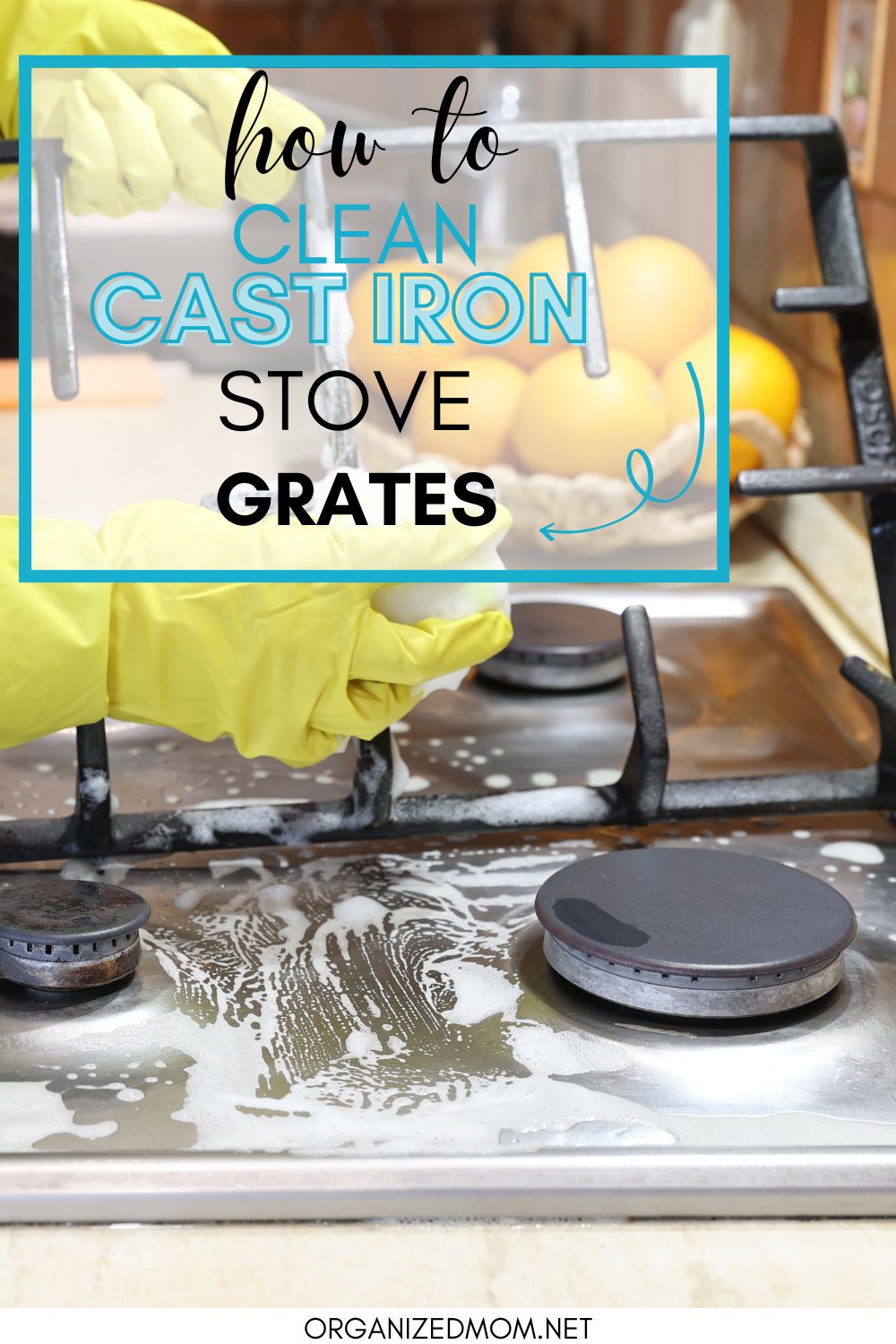
1. **Prep the Grates:** Place your cold grates into a heavy-duty trash bag. Make sure the bag doesn’t have any holes.
2. **Apply the Cleaner:** Spray the grates thoroughly with the oven cleaner. If you are worried about harsh chemicals, you can achieve a similar (but slower) result using a baking soda paste mixed with white vinegar solution. Make sure every surface is coated.
3. **Seal and Wait:** Seal the bag tightly, pushing out as much air as possible. Place the bag outside or in the garage on a protected surface. Leave it for at least 12 hours, or even 24 if the buildup is terrible.
4. **Rinse and Scrub:** When you open the bag, the fumes will be strong, so do this outside or in a well-ventilated area. The carbon buildup should wipe off almost completely. Use a non-abrasive nylon scouring pad or an old towel to remove the sludge. Rinse thoroughly with water.
Is it safe to put cast iron grates in the dishwasher?
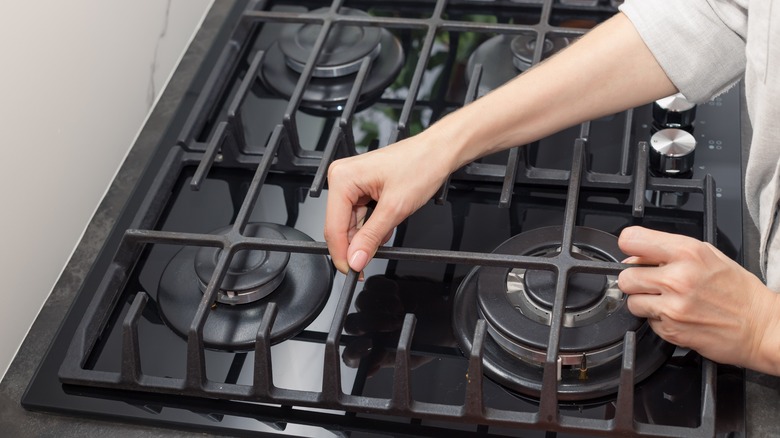
The answer is a massive, definitive NO. Do not put your cast iron grates in the dishwasher.
Cast iron is naturally porous, and it requires a layer of seasoning (baked-on oil) to protect it from moisture and prevent rust. Dishwashers use extremely harsh detergents and long, hot cycles that blast away that protective layer. It strips the metal bare.
What happens next is unavoidable: the cast iron will almost certainly rust, potentially immediately. You will take them out looking like a rusted relic, and then you have a whole new problem to solve. For daily grease, a quick scrub with hot water and a little bit of Dawn dish soap is better than letting the dishwasher near them.
What removes rust from cast iron stove grates naturally?
The mild acid in the white vinegar solution helps break down the rust (iron oxide) without being too harsh on the underlying metal.
Here’s a great little method:
- **The Vinegar Bath:** Mix equal parts white vinegar and water in a utility sink or bucket large enough to hold the grate. Submerge the rusted pieces entirely. Let them soak for 30 minutes. *Do not soak for longer than an hour,* or the acid could start damaging the bare iron.
- **The Scrub:** Remove the grates and dry them completely. Use a nylon scouring pad or a plastic brush to gently scrub the rusted areas.
- **The Baking Soda Paste:** For stubborn spots, make a thick baking soda paste (baking soda and just enough water to make a creamy consistency). Rub the paste onto the rusted area, let it sit for 15 minutes, and then scrub again. The mild abrasion of the baking soda helps lift the residual rust.
- **Rinse and Dry:** Rinse every piece thoroughly under hot water and immediately dry them completely with a towel. Cast iron cannot air dry after this kind of bath.
Once they are dry, you must move immediately to re-seasoning to protect them from future rust (more on that in a moment!).
Why are my cast iron grates sticky after cleaning, and how do I fix it?
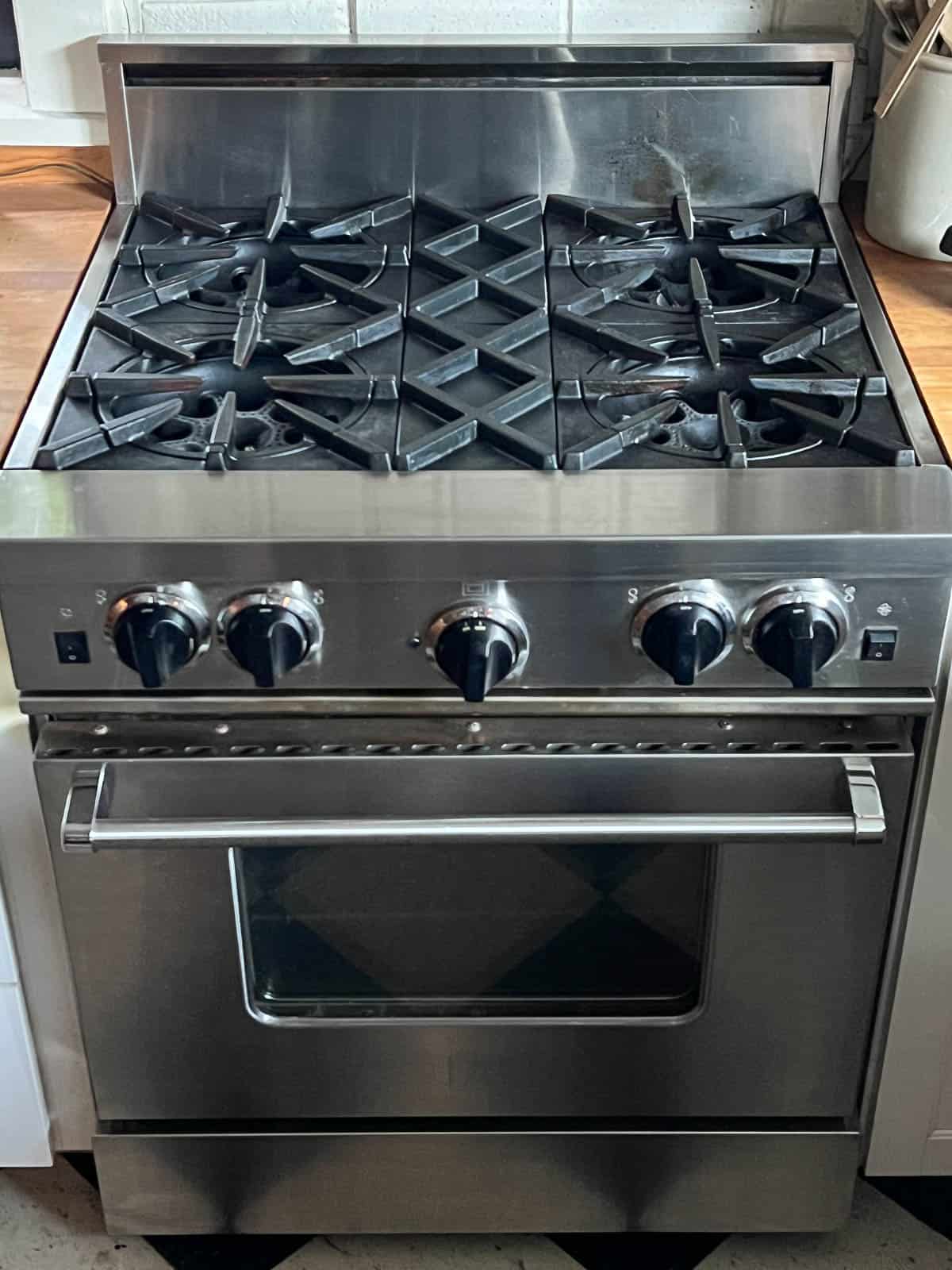
When you season cast iron, you’re trying to create a hard, dry polymer coating. Stickiness means the oil never reached its smoke point or you applied way, way too much oil and didn’t wipe enough away.
A properly seasoned grate should feel smooth, almost glass-like, and slightly slick—not tacky or gummy. If you run your hand over it and it pulls at your skin, you’ve got residual oil that needs to be baked off.
The fix is fairly straightforward:
1. **Wipe Excess:** Grab a clean paper towel and aggressively wipe down the grates. Try to remove as much of the sticky, gooey surface oil as you can.
2. **High Heat Bake:** Put the grates in a cold oven and set the temperature to 450°F (about 232°C). Allow the oven to preheat and then let the grates bake for at least one full hour. This high heat will force the oil to polymerize and harden.
3. **Cool Down:** Turn the oven off and leave the grates inside to cool naturally. This prevents shocking the metal. When they are cool, they should feel smooth and dry. If they’re still sticky, repeat the process.
How often should I season cast iron stove grates?
You don’t need to season the grates every week, but you do need to re-apply mineral oil seasoning after any kind of harsh cleaning, such as using the oven cleaner method or tackling a rust removal process. Anytime you see the bare, dull gray metal, it’s time to re-season.
For routine maintenance and quick cleaning—say, wiping up a spaghetti sauce spill—you won’t strip the seasoning, so you won’t need to re-season.
But after a major deep clean, you absolutely must. Here’s how to ensure a smooth, durable finish:
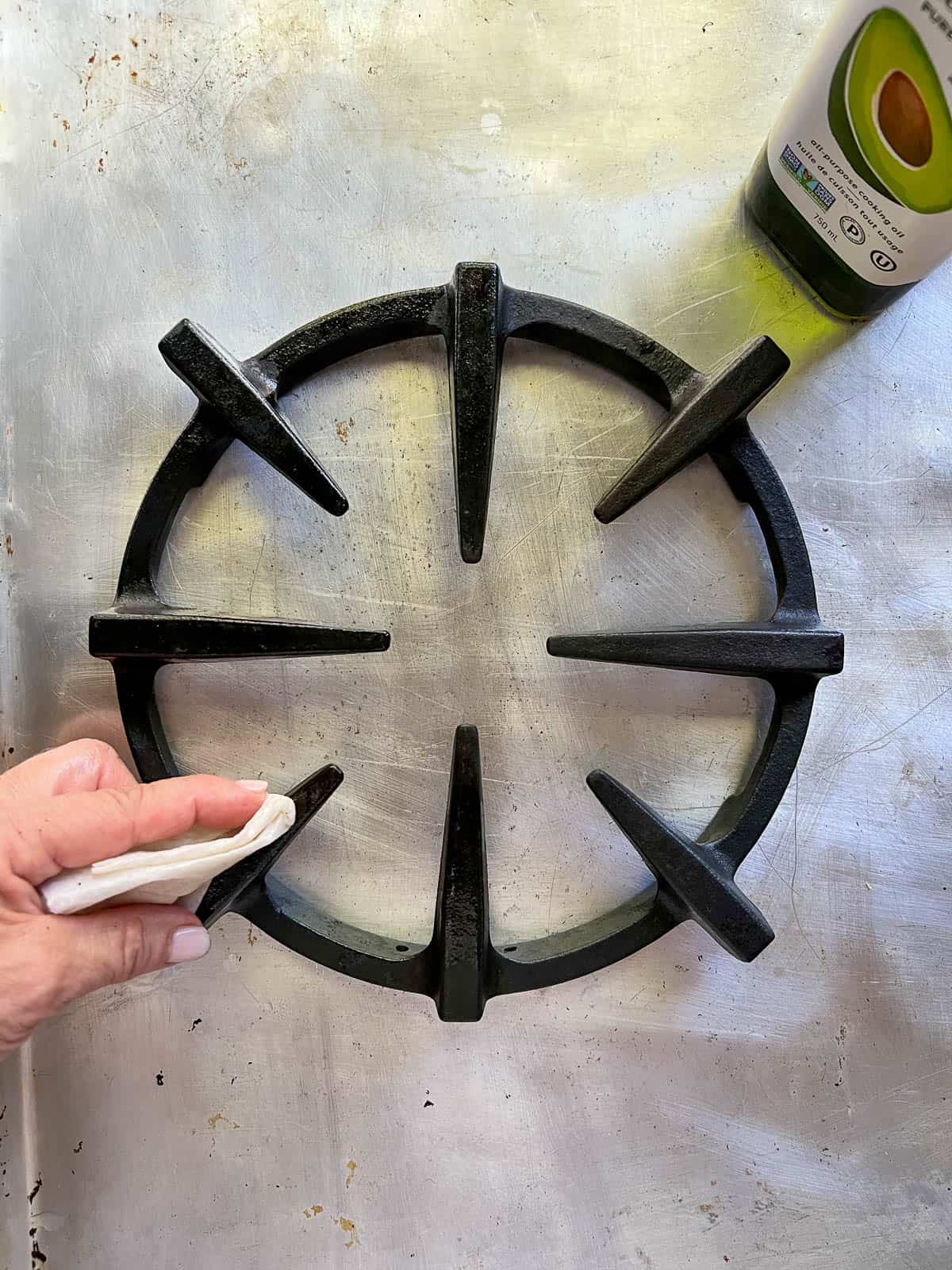
PRO TIP: When seasoning, remember the golden rule of cast iron: use the absolute smallest amount of oil possible. Dip a cloth in high-heat oil (like grapeseed, flaxseed, or canola), rub it onto the grate until it looks shiny, and then immediately use a clean, dry cloth to wipe every visible trace of oil off. If you think you’ve wiped enough, wipe it twice more. You only want the thinnest, invisible layer remaining before you bake it.
You can also use specialized cast iron seasoning products. Just make sure whatever oil you choose has a high smoke point.
Comparing Cleaning Methods: Speed vs. Effectiveness
If you’re faced with a tough job, knowing which cleaning approach to use can save you hours. This table compares the methods for different levels of dirtiness.
| Method | Primary Cleaner Used | Time Required (Active/Passive) | Best For |
|---|---|---|---|
| Everyday Wipe Down | Dawn dish soap & Hot Water | 5 minutes / 0 minutes | Light grease, food spills, typical daily maintenance. |
| The Overnight Bag Soak | Oven Cleaner (Lye) or Heavy-Duty Degreaser | 10 minutes active / 8-24 hours passive | Deeply charred surfaces, heavy carbon buildup, seriously neglected grates. |
| The Gentle Soak | Baking Soda Paste & Vinegar | 20 minutes active / 4 hours passive | Moderate stickiness, minor grime, those who prefer avoiding chemicals. |
| Rust Removal | White Vinegar Solution | 30 minutes soak / 15 minutes scrub | Visible rust spots. Must be followed by immediate seasoning. |
How can I keep my cast iron grates looking great between deep cleans?
When you’re done cooking and the grates are cool enough to handle (but still warm), that’s the prime time to wipe them down. The heat helps soften minor residue, and a quick pass with soapy water often handles 90% of the surface grease before it bakes hard.
You can also rely on the heat of the stove itself. Sometimes, if I’ve only got a little spill, I’ll turn the burner on high after removing the pot. The high heat will literally turn the grease into ash. You can then use a paper towel or a plastic putty knife to scrape the remnants off easily once they’ve cooled. If you use this technique, make sure your ventilation is running, because it will smoke!
When you notice a little sticky patch, don’t ignore it. That little sticky spot will become a giant area of hardened carbon within a week. Address it right away with a little baking soda paste scrub, rinse it off, and rub a tiny bit of mineral oil back on that spot. Consistent, short bursts of attention really cut down on the need for that big, intimidating deep cleaning session.
For more information on the chemistry behind seasoning and maintaining your cast iron cookware and components, I recommend checking out reputable sources on material science and iron care. Understanding polymerization really helps you nail the process. (Simulated Link to a University Study on Iron Polymerization here.)
Frequently Asked Questions
:max_bytes(150000):strip_icc()/GettyImages-1131860892-bb8603469bb44e7e9dcd4dc470b33310.jpg)
Can I use Easy-Off oven cleaner on cast iron grates?
Yes, absolutely. Oven cleaner is incredibly effective at dissolving baked-on grease and carbon. However, you must rinse the grates thoroughly afterward to ensure no residue remains. The strong lye content in oven cleaner will strip any current seasoning, so you must always re-season the grates immediately after using this method to protect them from rust.
What cleaning chemicals damage cast iron stove grates?
The main culprits are chemicals that are highly corrosive or acidic, used improperly. Chlorine bleach and harsh, acidic bathroom cleaners should be avoided completely. Also, any abrasive material, like steel wool or certain highly granular powders, can scratch the metal and damage the seasoning, making the grates harder to maintain and more susceptible to rusting. Stick to nylon pads or soft plastic tools.
How do I deep clean heavily soiled cast iron grates if I don’t want to use chemicals?
If you want to skip the oven cleaner, the boiling water method combined with a heavy concentration of dish soap is your next best option. Fill a large container or the sink with the hottest water possible and add plenty of soap. Let the grates soak for 8 to 12 hours. The soaking will loosen the bonds of the grease. You can then scrub the residue off using a tough nylon brush or a nylon scouring pad.
Should I oil cast iron stove grates after washing?
If you have used plain hot water and a bit of dish soap for a quick wash, you probably don’t need to re-oil, as the underlying seasoning should be intact. However, if you used any method that involved soaking (vinegar, oven cleaner, very long hot water baths), you definitely need to apply a thin coat of oil and bake it on (seasoning) immediately after drying the grates. This is the only way to prevent rust from forming.
So there you have it—no more shame when you lift a grate and see a mountain of built-up gunk underneath. With the right soaking method, a bit of patience, and a quick re-seasoning cycle, your grates will look almost brand new. It makes cooking so much more enjoyable when you know your tools are clean, right?
What’s the worst grease buildup you’ve ever had to tackle in your kitchen? Let me know in the comments!


Leave a Reply