

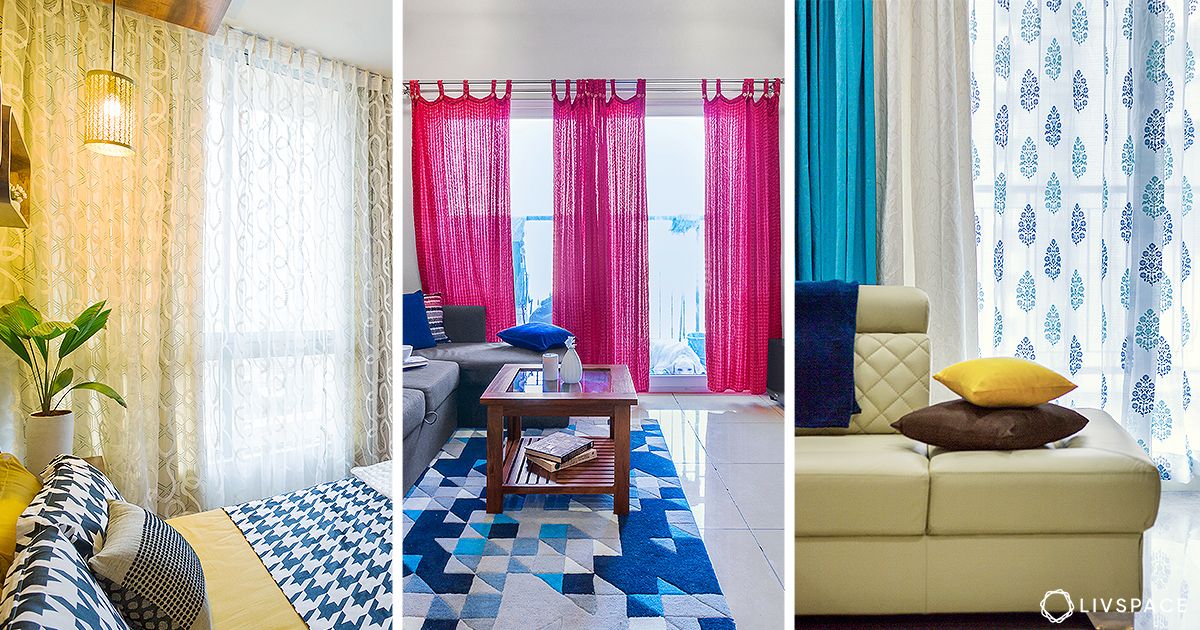
Honestly, when people talk about decorating, they always focus on the sofa or the paint color. But I’m here to tell you that the thing that makes or breaks a living room—the thing that instantly shouts either “luxury design firm” or “college apartment”—is the curtains. It’s true! I didn’t believe it either until I started paying attention.
You can spend thousands on a great sofa, but if your curtains are the wrong length, the wrong fabric, or hung too low, the whole room feels off. It feels squat. It feels cheap. You’ve been there, right? I certainly have. Trying to figure out the right curtains for living room ideas feels less like decorating and more like solving a geometry problem.
Well, I figured out the secret formulas the designers use. The funny thing is, the best tricks aren’t even expensive; they’re just specific. We’re going to walk through the exact measurements, the fabric choices, and the layering tricks that make your space feel airy, tall, and totally put-together. Ready to ditch those sad, low window coverings?
Key Takeaways
- Always hang your curtain rods higher and wider than you think they should go to create visual height.
- The “kiss the floor” length is usually the most elegant and the least high-maintenance for busy homes.
- Choosing the correct fabric, like linen fabric or thick velvet drapes, determines light control and sound dampening.
- Layering sheer and blackout curtains gives you maximum light and privacy control throughout the day.
What makes choosing the right fabric so important?
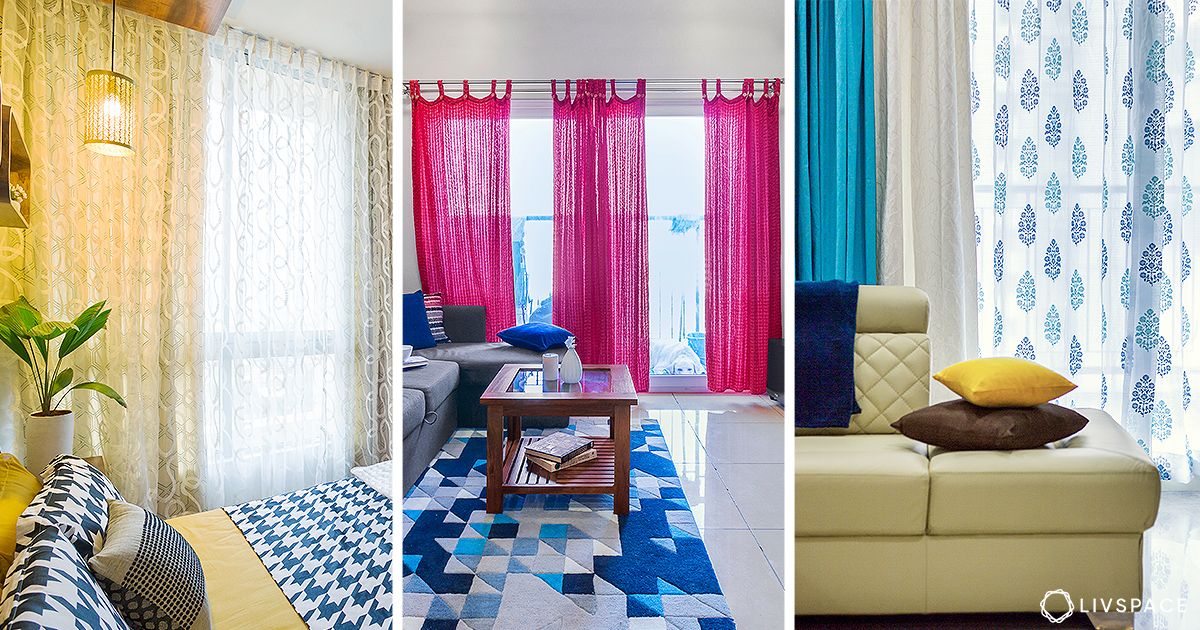
Look, the biggest mistake people make when considering curtains for living room ideas is focusing only on color. Color matters, of course, but the texture and weight of the fabric are what control the room’s entire mood. You can have the perfect shade of cream, but if it’s a cheap, flimsy synthetic, it’s not going to drape correctly or feel luxurious. It’ll just look thin.
Think about what you want your curtains to do. Do you want to block the sun completely for movie night, or do you want a soft, filtered glow? If you want that dreamy, airy look, you need to be looking at sheer voile or a light, casual linen fabric. The movement of sheer voile when the window is cracked open, catching the breeze, is just beautiful. It softens the hard edges of the room.
But maybe your living room is facing West and gets blasted with sun in the afternoon, or maybe you live on a busy street and need some quiet. That’s when you bring out the heavy hitters: velvet drapes or panels with thick blackout lining. These fabrics don’t just block light; they act as a fantastic fabric for noise reduction in living rooms, absorbing sound waves and making your room feel cozy and secluded. It’s a sensory thing—when you shut heavy velvet drapes, the sound seems to suddenly hush, which is a surprisingly comforting feeling.
For colder climates, thermal insulated panels are a game-changer. They look like regular curtains, but they have a special interior layer that helps keep the warm air in during the winter and the hot air out during the summer. This isn’t just decorative; it’s genuinely practical, especially if you have large windows or old, drafty window frames. You actually feel the difference in the air temperature near the window.
| Fabric Type | Best For… | Light Control | Noise/Insulation |
|---|---|---|---|
| Sheer Voile | Filtering harsh light; maximizing brightness. | Low (Daytime privacy only) | Minimal |
| Linen Fabric | Casual, airy, Scandinavian or farmhouse styles. | Medium (Translucent) | Low to Medium |
| Velvet Drapes | Formal, dramatic looks; cold climates. | High (Nearly blackout) | Excellent fabric for noise reduction |
| Thermal Insulated Panels | Energy savings; drafty or large windows. | High (Often paired with blackout lining) | Excellent insulation |
How high should curtain rods be installed above the window frame?
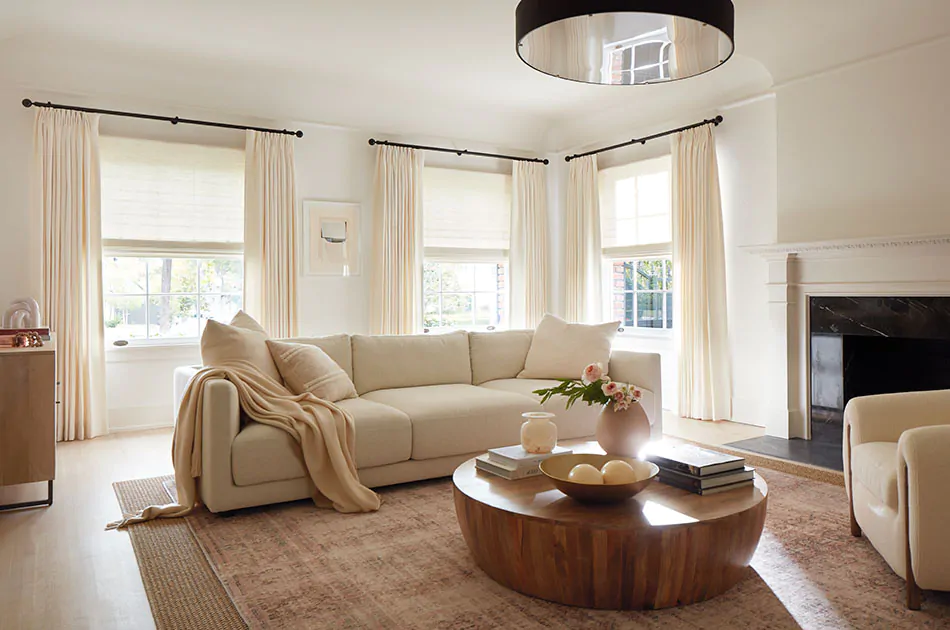
This is where the magic happens, seriously. If you get one thing right about your curtains, make it this measurement. Too many people hang the rod right where the frame ends, and that makes the window look small, and worse, it makes the ceiling look lower than it really is. It visually pushes everything down.
The secret is to go big. You want to install your rod approximately halfway between the top of the window frame and the ceiling molding. If you have eight-foot ceilings, that usually means placing the rod about 8 to 12 inches above the window frame. This simple act of putting the rod higher draws the eye upward and creates the illusion of vertical space. It’s a trick decorators use to make every living room feel grander.
And don’t just go wider than the window, either. You want your rod to extend 10 to 15 inches past the frame on each side. Why? Because when you open your curtains, you want the fabric stack (the bunched-up curtain material) to sit against the wall, not cover the glass. If your fabric covers the glass, you lose natural light, which is probably the best feature of your room!
The first time I tried this, I made the mistake of buying curtains that were exactly the same width as the window. The effect was suffocating. I couldn’t push the panels aside without them blocking half the view. When I finally bought a longer traverse rod system and panels that offered generous fullness, the room breathed a sigh of relief. It felt like I’d put glasses on the room—suddenly everything was clearer and brighter.
Pro Tip: The Thirds Rule
For maximum impact, place your curtain rod so that the distance between the rod and the ceiling is about one-third the distance between the rod and the window frame. This ratio is pleasing to the human eye and makes the room feel expensive.
If you have really high ceilings or are trying to make a statement, consider ceiling mount hardware. Installing the rod directly onto the ceiling itself forces the entire vertical space into the window treatment, giving you that incredible floor-to-ceiling length and making a small room feel cavernous. It’s definitely a trending look right now, especially for modern living rooms.
What is the ideal curtain length for a small living room?
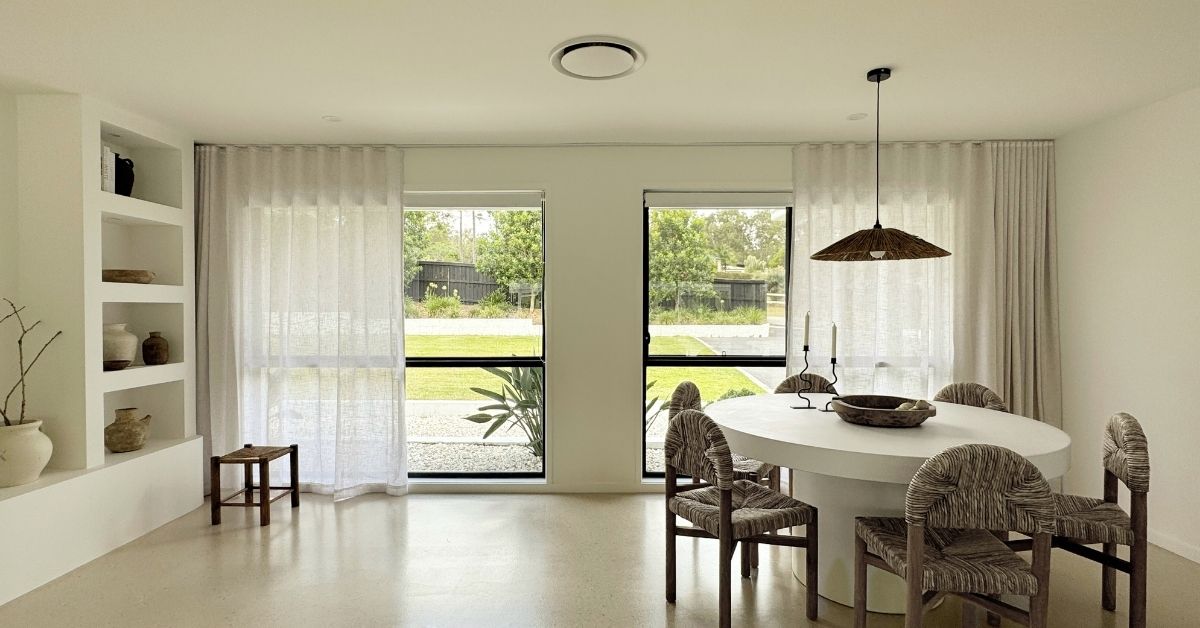
Let’s talk about where the curtains stop. This is another area that trips everyone up. There are three basic curtain lengths, and depending on your home, one is going to work better than the others. For small living rooms, the answer is always long. Never, ever use short curtains that stop at the windowsill, unless you are working in a kitchen or bathroom where water might splash.
When selecting curtains for living room ideas, you’re almost always going for floor-to-ceiling length. We call this the “kiss” or “graze” length. The curtain should barely touch the floor—just enough to settle without pooling. This looks tailored, clean, and is the easiest to maintain since the fabric doesn’t drag on the floor every time you open or close it.
Now, if you want high drama, you can use the “puddle” length, where the fabric gathers several inches on the floor. This is very traditional and often requires heavy fabrics like thick velvet drapes. It looks fantastic in extremely formal spaces, but let’s be real, it’s a dust magnet and a tripping hazard for kids and pets. If you have a busy household, stick to the kiss length. Should curtains touch the floor? Yes, for 99% of living rooms.
If your windows are oddly shaped or you need non-standard sizing—and many older homes do—it’s worth looking into custom window sizing. I know that sounds like a massive investment, but many online vendors offer semi-custom options that aren’t nearly as pricey as having a tailor come to your home. Getting that exact floor-to-ceiling length makes the difference between “I bought these off the shelf” and “These were made for this house.”
What are the trending living room curtain styles 2024?

The way the curtain hangs from the rod is called the header style, and it changes all the time. Right now, clean lines and ease of use are major factors. We’re moving away from fussy pleats unless you’re going for a very classical, traditional design.
The two main types of curtain headers you see everywhere are grommet top and rod pocket style. The rod pocket style is very simple; the rod slides right through a sewn channel. It looks gathered and soft, but the big downside is that it’s a pain to open and close. The fabric bunches up and drags on the rod, which can be irritating if you use your curtains every day.
The grommet top, where metal rings are punched through the fabric, is hugely popular because it looks contemporary and slides effortlessly. It creates beautiful, even folds. For modern living rooms, grommet tops are still a great choice because they are clean and unfussy.
However, if you want something that truly glides like butter, you need a traverse rod system or a hidden hook system. The traverse rod uses runners hidden behind the panel, making opening and closing silent and easy. For the truly high-tech or luxury home, motorized curtain tracks are becoming much more common and affordable. Imagine using an app or voice command to open all your window treatments simultaneously. That’s affordable luxury living room drapes in action.
Here are a few popular header types and their main characteristics:
- Grommet Top: Modern, easy sliding, creates deep, casual folds. Requires a visible decorative rod.
- Rod Pocket Style: Traditional, soft, gathered look. Difficult to move frequently, best for stationary panels.
- Pinch Pleat: Formal, structured look using permanent, sewn-in pleats. Requires a track or rings with specific hardware.
- Tab Top/Back Tab: Casual, bohemian feel. Back tab versions hide the rod for a cleaner appearance while still allowing easy movement.
How can I choose curtains to match my grey sofa living room?

The grey sofa is the most common living room anchor right now. It’s versatile, neutral, and classic. But because grey is everywhere, you need to make sure your curtains don’t just blend into a monotone sea of sadness. Choosing curtains to match grey sofa living room setups requires playing with two things: texture and color temperature.
If your grey sofa is a cool grey (with blue undertones), you can introduce warmth with the curtains. Think warm neutrals like flax linen fabric, creamy white, or even a soft gold velvet drape. If your sofa is a warm grey (with brown or beige undertones), you can lean into cooler tones like muted blue, deep charcoal, or even white with a subtle silver thread.
One trick that never fails: If you want to know what color curtains make a living room look bigger, the answer is often “the same color as the walls, but a slightly richer texture.” When the curtains blend seamlessly into the wall color, the wall appears continuous, and the room feels wider. If you have grey walls and a grey sofa, try a textured oatmeal linen or a slightly deeper grey velvet drape to add that sensory depth.
Don’t be afraid of patterns, especially if your sofa is solid. A subtle geometric print, or a stripe that pulls in both the grey tone and an accent color from your art or pillows, can tie the whole space together. Remember to use finials and tie-backs that mirror the metals in the room, too. If your lamp bases are brass, use brass finials.
What’s the best approach for layering sheer and blackout curtains?

If you want the absolute best of both worlds—daytime privacy and total darkness—you need layered window treatments. This is the sophisticated approach. It allows you to tailor the light exactly to the time of day and your mood. It’s especially useful for curtain ideas for open plan living and dining spaces, where light control can be a challenge across one massive wall of windows.
The standard way to do this is to use a double rod system, or if you prefer a very clean look, a single motorized curtain tracks system that supports two separate layers. The inner layer, closest to the window, should be your sheer voile. This gives you privacy during the day while still letting light stream in. People can’t see details inside, but you get all that beautiful daylight.
The outer layer, the one facing the room, is your heavy fabric—the blackout lining or the thick thermal insulated panels. These are for night, for media viewing, or for keeping the summer sun out. Since you can use two completely different fabrics, you can get really creative with texture and color. You might have a crisp white sheer voile layer with deep indigo velvet drapes over the top. This contrast creates incredible depth when the blackout layer is pushed open, framing the sheer layer underneath.
When selecting the double rods, make sure the outer rod is significantly larger and stronger, as it will hold the weight of the heavier, perhaps thermal insulated panels. And ensure that the two rods are spaced far enough apart that the two fabrics don’t rub together constantly when you move them. That constant friction will wear down the materials fast. By taking this two-in-one approach, you gain total command over the light and the temperature of your living room.
Do modern living rooms need curtains or blinds?
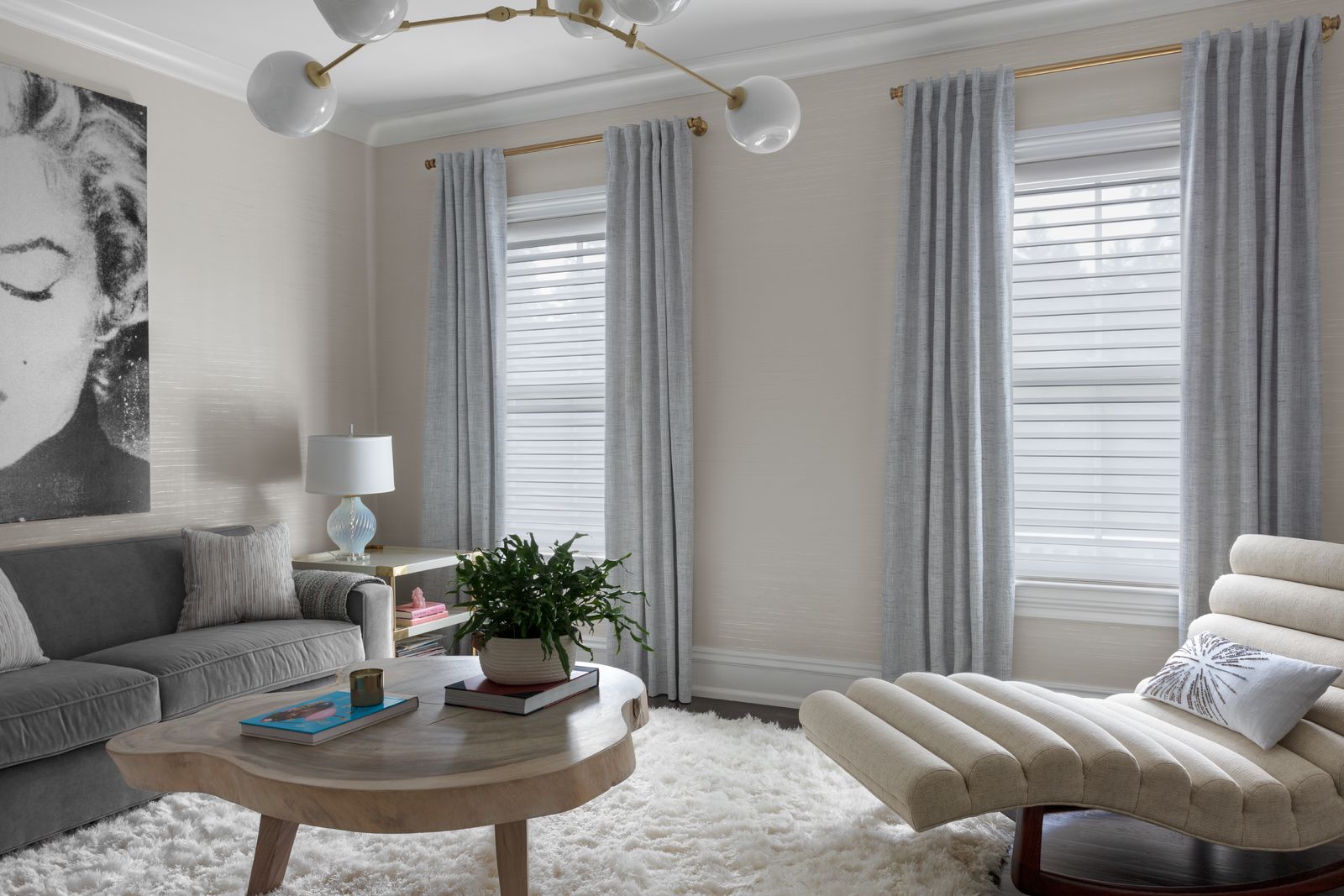
This is a big debate right now, particularly for those super-minimalist, high-gloss spaces. Many people wonder, do modern living rooms need curtains or blinds? And the short answer is: they need softness. Curtains provide softness, which blinds inherently lack.
Modern design loves clean lines, but sometimes those lines can feel cold. Hard window coverings, like wood or aluminum blinds, shutters, or roller shades, only emphasize the hard edges of the room. They are practical for light control, but they often lack the warmth and acoustic properties that textiles provide. Curtains, especially fabrics like light linen or soft velvet, introduce texture and movement that instantly counteract the starkness of modern architecture.
If you prefer the clean look of blinds, consider combining them with simple side-panels. You can use cellular or Roman shades for your primary light and privacy control, and then hang stationary panels on either side of the window just for decorative effect. This is a brilliant compromise: you get the streamlined look of the blinds but the visual softness and frame created by the curtains.
For large windows, which are common in newer construction, curtains are actually the best energy-efficient solution. Because the fabric extends well beyond the window frame, they trap air better than blinds, especially when using thick thermal insulated panels. You can easily find studies confirming the insulating properties of textiles in home environments, particularly at the window openings, which are often sources of heat loss. The U.S. Department of Energy has specific recommendations for using curtains to cut down on heat transfer, demonstrating their practical value beyond just aesthetics.
Where can I buy affordable luxury living room drapes online?
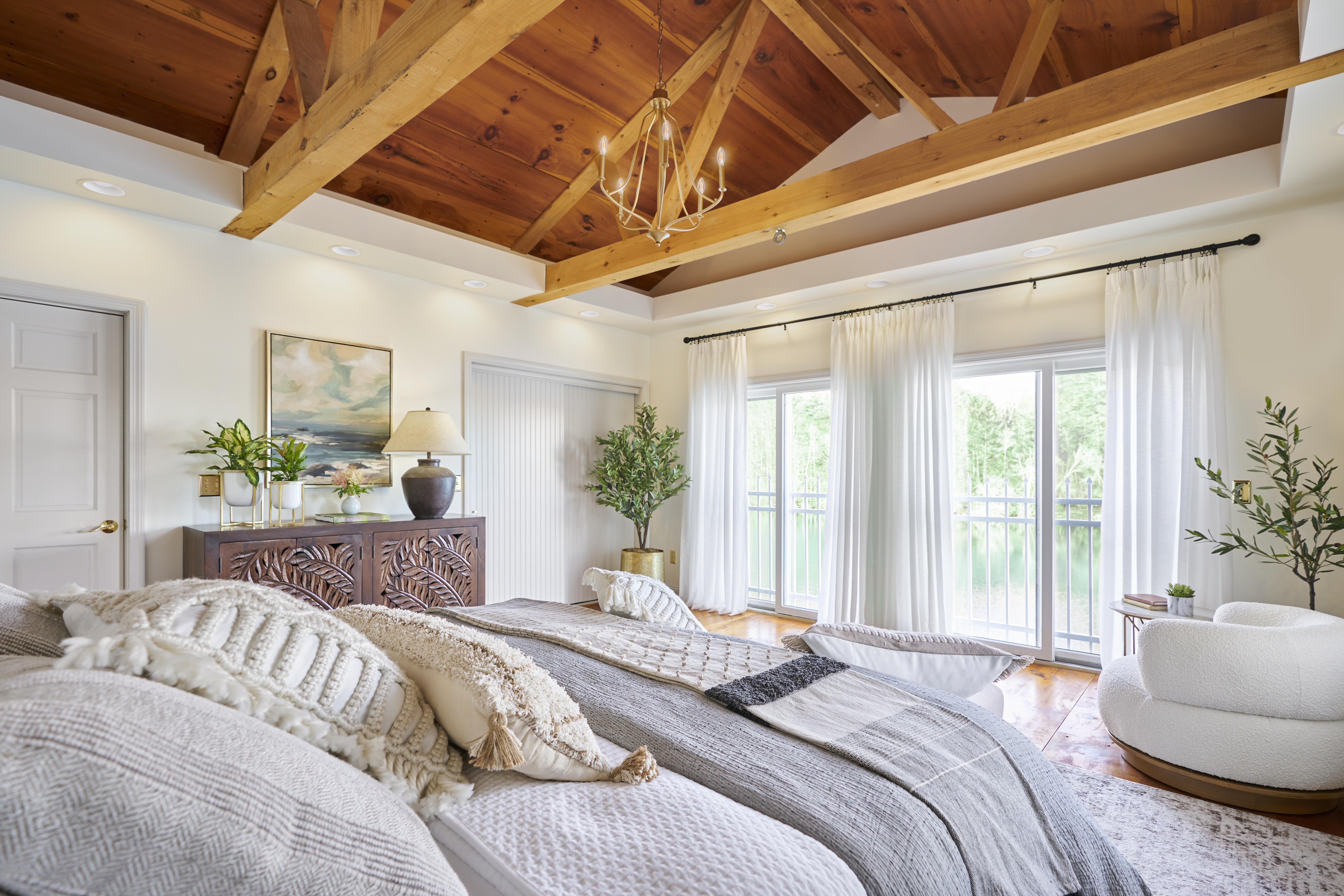)
This is where my authority comes in, because I’ve wasted a lot of money trying to find that perfect balance between quality and price. For a long time, if you wanted high quality, you had to pay a designer premium. Not anymore. The key to finding affordable luxury living room drapes online is knowing what details signal quality.
The most important detail is the weight and drape of the fabric, but since you can’t touch it online, you have to look for specific construction details. Check for fully lined panels—even if they aren’t blackout lining, a lining adds body and makes the drape hang better, hiding the seams and protecting the outer fabric from sun damage. Look for weighted hems, which is a little weight sewn into the bottom corner that ensures the curtain falls straight and looks neat.
If you’re buying standard sizes, you will always save money. But if you have unusual sizes, you might need to buy custom size living room curtains online. Don’t just look at big box stores; often specialty fabric houses online will offer pre-calculated custom sizes at much better rates than in-person bespoke work. You give them the measurements, they sew it up, and ship it right to you.
When you’re searching, focus on materials like 100% linen fabric or a high-count cotton velvet blend. Stay away from 100% shiny polyester if you can help it. Even if you’re layering sheer voile panels, make sure the voile feels soft and not crunchy or plastic-like. It’s those small details that separate a $50 panel from a $500 panel, and luckily, the mid-range online options are catching up fast.
Also, don’t forget the hardware. Finials and tie-backs should feel solid. If the curtain rod feels light and flimsy, it will sag in the middle, especially with heavy blackout lining. Invest in a thick, sturdy rod system—it’s the foundation, and you want it to be able to carry the load. Spending a little extra on the rod will instantly upgrade even moderately priced curtains.
Just look at the way old-world textiles were made to last centuries; materials matter. For example, traditional European silk damasks and velvets, which often served as early window coverings, owed their longevity to high-density weaving and complex layering. A quick read on textile history shows that durable, weighty materials have always been associated with lasting value and warmth.
Frequently Asked Questions

Should curtains touch the floor?
In almost all cases for the living room, yes. Curtains should either “kiss” the floor, meaning they barely graze the carpet or wood, or “puddle” slightly, gathering 1 to 3 inches on the floor for a more dramatic, traditional appearance. Short curtains that stop at the sill make the room look shorter and are generally reserved only for practical areas like kitchens.
How wide should curtains be in relation to the window?
Curtains should be hung wider than the window itself so that when they are open, the fabric is resting on the wall, not covering the glass. A good formula is to aim for a total curtain width that is 2 to 2.5 times the width of the window frame. This ensures they look full, not skimpy, when closed.
How do I clean long, thick velvet drapes?
Thick velvet drapes, especially those with blackout lining, usually require professional dry cleaning. Never put them in a washing machine, as the weight and texture can be ruined. For regular maintenance, use the brush attachment on your vacuum cleaner to gently dust them once a month, which prevents heavy dirt build-up.
What color curtains make a living room look bigger?
To make a living room look bigger, choose curtains that are close to your wall color. This reduces contrast, allowing the eye to sweep across the entire wall uninterrupted, which creates the illusion of more space. Light colors, like creamy white or a pale linen fabric, also help bounce light around the room.
So, there you have it. Curtains aren’t just fabric; they’re architectural tools. They control light, sound, temperature, and most importantly, how big and well-designed your living room feels. Stop letting those windows shrink your space!
Now that you know the tricks—high rods, generous width, and kissing the floor—which room in your house are you going to tackle first? Are you ready to ditch the rod pocket style for some easy-sliding grommet top panels?


Leave a Reply