

Well, hello there! I’m guessing you clicked on this because you love the look of your faux leather sofa—it’s stylish, it’s affordable, and it usually holds up beautifully. But then, life happens. Maybe it’s a sticky spill, a rogue pen mark, or just that general film of grime that settles on anything we actually use.
Let’s be real: cleaning synthetic leather furniture can feel like walking a tightrope. You want to scrub away the dirt, but you absolutely cannot use harsh chemicals, or you’ll end up with a brittle, cracked mess that looks terrible and feels even worse. That shiny, supple finish will peel away like a bad sunburn, and nobody wants that.
I know this can be tricky, because faux leather—whether it’s polyurethane (PU) or PVC leather—isn’t actually leather. It’s a plastic coating, and it demands a completely different approach than the hide of a cow. The good news? It cleans up remarkably easily, provided you stick to gentle, simple rules. I’m going to walk you through the exact, tested process for cleaning your faux leather sofa, from daily dusting to tackling those truly terrifying ink stains.
Key Takeaways
Preparation is Everything: Vacuuming and Spot Testing

Image credit: www.jenniferfurniture.com
Before you even think about grabbing a bottle of cleaner, we have to start with the basics. You wouldn’t paint a wall without dusting it first, right? The same principle applies here. If you introduce liquid cleaner onto a dusty, crumb-covered surface, you’re just creating a gritty mud that you’ll rub into the delicate surface texture.
Step 1: Get the Grime Off
Grab your vacuum cleaner attachment—specifically the soft brush nozzle—and run it over every inch of the couch. Pay special attention to the seams, the piping, and the crevices where the cushions meet the frame. This is where all the lost popcorn kernels and dust bunnies like to hide. If you close your eyes and drag your hand across a cushion, you can probably feel the faint texture of dust clinging to the surface. We need to clear that out.
The Non-Negotiable Spot Test
Look, I’ll be the first to admit—I used to think spot testing was a silly waste of time. Then I ruined a throw pillow with a cleaning spray that promised to be “gentle.” Now, I treat the spot test like an insurance policy. It takes thirty seconds and saves you hours of regret.
Pro Tip: Always Spot Test! Before using any new solution (even mild dish soap), choose an inconspicuous area—like the back of the sofa near the floor, or the underside of a cushion. Apply the solution, let it sit for five minutes, wipe it off, and let it dry completely. If the color runs or the material changes texture, stop immediately.
You’re not just testing for color-fastness, either. You’re testing for texture. Sometimes, a cleaner will leave a weird, sticky residue or change the feel of the polyurethane. If it passes the spot test, you’re good to go.
What Is the Best Homemade Cleaner for Faux Leather Couches?

Image credit: vonbaer.com
I promise you, the best way to clean your faux leather sofa does not involve pricey commercial vinyl cleaner or specialized upholstery cleaner spray. Most of the time, the solutions you need are already sitting in your kitchen cabinet.
We’re going to focus on two simple, effective, and safe homemade cleaners: the soapy standard and the mighty acid.
1. The Mild Dish Soap Solution
This is your everyday cleaner, perfect for general dirt, dust, and light spills. Since most faux leather is non-porous, a tiny bit of soap is all it takes to break down surface oils and grime.
- Mix about a tablespoon of mild dish soap (make sure it doesn’t contain heavy degreasers or bleach) into four cups of warm water.
- Dip a clean microfiber cloth into the solution.
- Wring the cloth out almost completely. It should be damp, not dripping. Too much water is bad news for the seams and backing material.
- Wipe the couch down in smooth, gentle motions.
2. The White Vinegar Solution
If you’re dealing with anything a little heavier—maybe a faint musty smell from vinyl couch cushions or a slightly sticky residue—white vinegar is your friend. Vinegar is a gentle disinfectant and deodorizer that breaks down stubborn grime without damaging the plastic coating.
- Mix equal parts white vinegar and water (a 50/50 solution).
- Again, use a microfiber cloth, wring it out well, and wipe the area.
- Don’t worry about the smell; the vinegar scent dissipates completely as it dries, leaving your couch smelling clean, not acidic.
To help you decide which one is right for your current situation, here’s a quick comparison of the two go-to homemade solutions:
| Solution Type | Best For | Frequency | Cautions |
|---|---|---|---|
| Mild Dish Soap & Water | Routine cleaning, light spills, greasy hand marks. | Weekly or Bi-Weekly | Requires thorough rinsing; can leave slight residue if not rinsed. |
| White Vinegar & Water (50/50) | Removing musty smell, deep cleaning, sticky residue on faux leather sofa. | Monthly or Quarterly | Avoid using on areas with known small cracks; the acid should be mild. |
The Right Way to Wipe: Avoiding Cracks and Damage
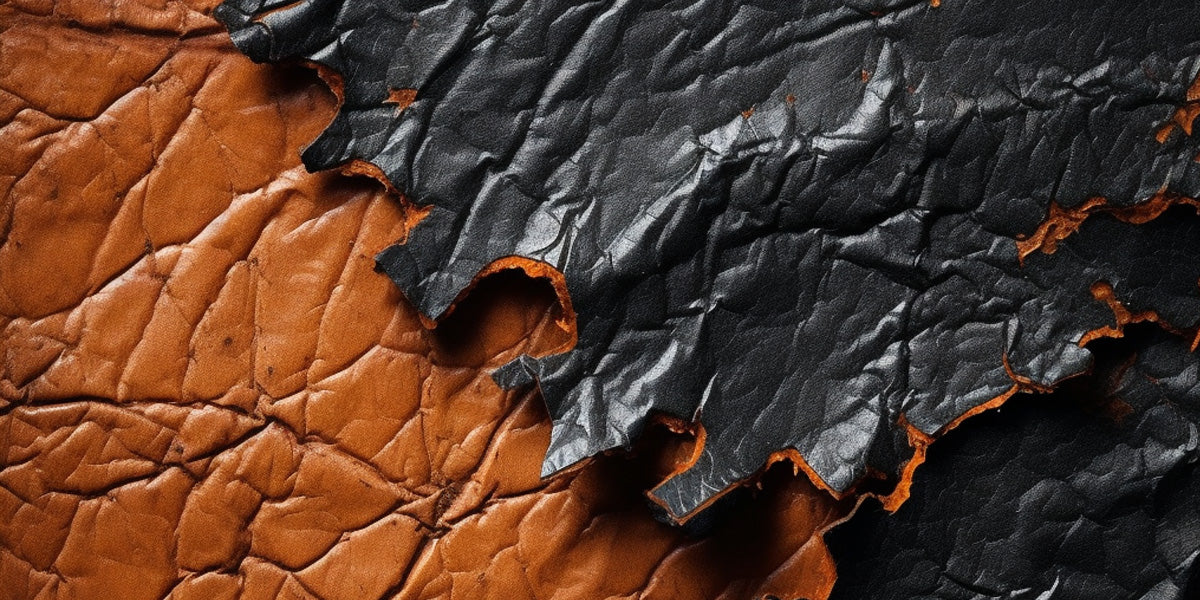
The technique matters just as much as the cleaner. You aren’t scrubbing grout here; you’re polishing a delicate synthetic surface. The goal is to lift the dirt without abrading the surface.
The Gentle Touch
When you’re wiping, always use a soft-bristled brush for tough spots or a soft microfiber cloth for general cleaning. Work in small, circular motions, applying light, even pressure. If you press too hard, you risk wearing down the top protective coat, which is what leads to those hairline cracks later on.
Rinse and Dry Immediately
This step is where most people mess up, especially when using a mild dish soap solution. Soap leaves residue, and that residue actually attracts dirt faster—plus, it can leave your cushions feeling tacky. After you’ve cleaned a section, immediately follow up with a second, clean microfiber cloth dampened only with plain water. This removes all the soap residue.
Once you’ve rinsed, you absolutely must dry the surface. Use a completely dry, clean towel and buff the area dry. Leaving moisture, especially near seams and stitching, can lead to mildew and weaken the underlying fabric. Plus, drying immediately is how you avoid that frustrating sticky residue on faux leather sofa after cleaning.
Dealing with Sticky Situations: Ink, Oil, and Mildew
Image credit: szoneierleather.com
Okay, now for the heavy hitters. Dealing with deep clean a dirty white faux leather sofa or getting rid of permanent markers requires stepping up our game slightly. We have to introduce stronger, targeted cleaners, but always remember the golden rule: spot test first, and use sparingly.
Removing Pen Ink from Vinyl Sofa
Ink stains are the bane of the faux leather owner’s existence. If you catch it right away, the soap and water might work. If it’s set, we need a little muscle.
Look, I’ll never forget the day my niece decided my brand-new, light gray bonded leather couch was the perfect canvas for her glitter gel pen masterpiece. It looked like a Jackson Pollock reject. That’s when I learned that traditional upholstery cleaners often make the situation worse, because the chemicals react weirdly with the plastic.
To remove pen ink, you have two options:
- Rubbing Alcohol: Dip a cotton swab (Q-tip) into rubbing alcohol. You do not want a soaked cotton ball—just enough to get the job done. Gently dab the ink mark. Do not rub vigorously, or you risk spreading the stain and damaging the coating. Work slowly from the outside edges of the stain toward the center.
- Hair Spray: Some experts swear by hair spray (which contains alcohol). Apply a small spritz to a microfiber cloth and gently dab.
As soon as the ink lifts, immediately wipe the area clean with a damp, soapy cloth, and then rinse with plain water. This stops the harsh effects of the alcohol from lingering.
Best Way to Get Oil Stains Out of Bonded Leather Couch
Oil, grease, or things like salad dressing are tricky because they want to soak into the microscopic pores of the material. For these situations, we need an absorbent agent: baking soda paste.
Mix baking soda with a tiny bit of water to form a thick paste. Spread this paste generously over the oil stain and let it sit for several hours—or even overnight. The baking soda will literally draw the oil out of the synthetic material. Once it’s dry, gently brush the powder away using a soft brush or a vacuum nozzle, and then follow up with your standard mild dish soap solution.
Cleaning Mold and Mildew Off a Pleather Sofa
If your sofa has been sitting in a humid basement or storage unit, you might encounter mold or mildew. This is a job for the white vinegar solution we discussed earlier, but you might need to use it at full strength, only if the mold is significant and after a successful spot test.
Wipe the affected area thoroughly with the vinegar solution. Follow up with a tiny bit of hydrogen peroxide on a cotton swab if the mold is particularly persistent or has left discoloration, but only on white or very light-colored faux leather, as peroxide is a mild bleach. Rinse and dry extremely well, then ensure the sofa is moved to a well-ventilated area.
What Not to Use When Cleaning Synthetic Leather Furniture
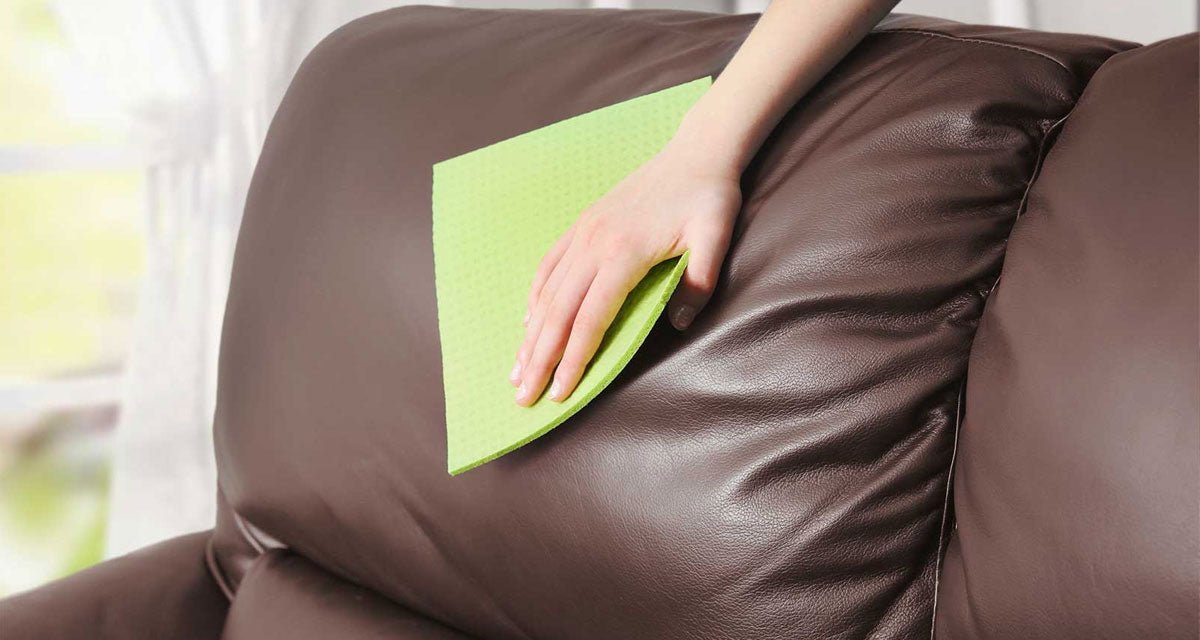
Image credit: picketandrail.com
Just as important as knowing what to use is knowing what to avoid. These are the chemicals that will absolutely destroy the integrity and finish of your faux leather, making it sticky, brittle, and prone to cracking.
Do not let these touch your couch, period:
- Bleach and Ammonia-Based Cleaners: These solvents break down the plasticizing agents in the faux leather, leading to discoloration, stiffness, and eventual cracking prevention failure.
- Strong Solvents (Acetone/Nail Polish Remover): These will melt the surface instantly. You will be left with a permanent, sticky smear.
- Abrasive Cleaners or Pads: Scouring pads, steel wool, or gritty powders will scratch and permanently damage the shiny top coat. Use only a soft-bristled brush or a microfiber cloth.
- Waxes or Heavy Oils: Unlike real leather, faux leather doesn’t absorb oil. Waxes or oils will just sit on the surface, attracting dirt and creating a permanent, sticky film.
If you’re unsure about a commercial product, read the label. If it mentions harsh chemicals or warns against use on vinyl or plastic, skip it. Stick to mild, pH-neutral solutions.
Stop Faux Leather from Cracking After Cleaning: Conditioning and Maintenance
Once you’ve gone through the trouble of cleaning your faux leather sofa, you want it to stay supple and beautiful for years. The biggest enemy of synthetic leather is drying out, which causes the material to lose flexibility and start to tear or crack—especially along high-stress areas like the arms and cushion edges.
If you want to stop faux leather from cracking after cleaning, you need to reintroduce a little moisture and protection.
The Power of Gentle Conditioning
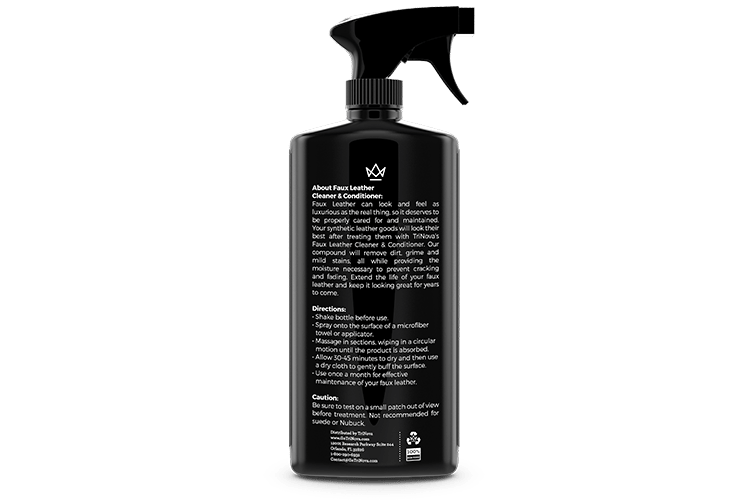
You need to condition your faux leather upholstery about every three to six months, depending on how much sun and use it gets. Look for specific commercial vinyl cleaners and conditioners designed for synthetic materials. Alternatively, a tiny amount of baby oil applied thinly, or even a non-greasy hand lotion, can work wonders. The goal is light protection, not saturation.
Apply the conditioner to a clean cloth, rub it into the faux leather gently, and then wipe off any excess with a clean, dry towel. This simple step keeps the material pliable.
If you have a window nearby, UV damage is a silent killer of faux leather.
Routine Maintenance Schedule
Keeping up with small messes prevents the need for intensive deep cleaning. It’s much easier to wipe away surface dust than to deal with set-in grime.
- Daily/Weekly: Use a dry microfiber cloth to dust the sofa surface. This prevents dust and body oils from building up and bonding to the material.
- Monthly: Wipe the entire sofa down with the simple mild dish soap and water solution (no rinse needed if you use a minimal amount of soap).
- Quarterly: Perform a thorough cleaning, including stain checks, and apply a light layer of vinyl conditioner.
Remember, exposure to direct sunlight and high heat (like a close radiator) accelerates the drying and cracking process dramatically. Try to position your sofa out of direct, blazing sun whenever possible. Understanding Different Types of Faux Leather Faux leather, especially bonded leather couch materials, is sensitive to environmental stressors.
How to Remove Musty Smell from Vinyl Couch Cushions
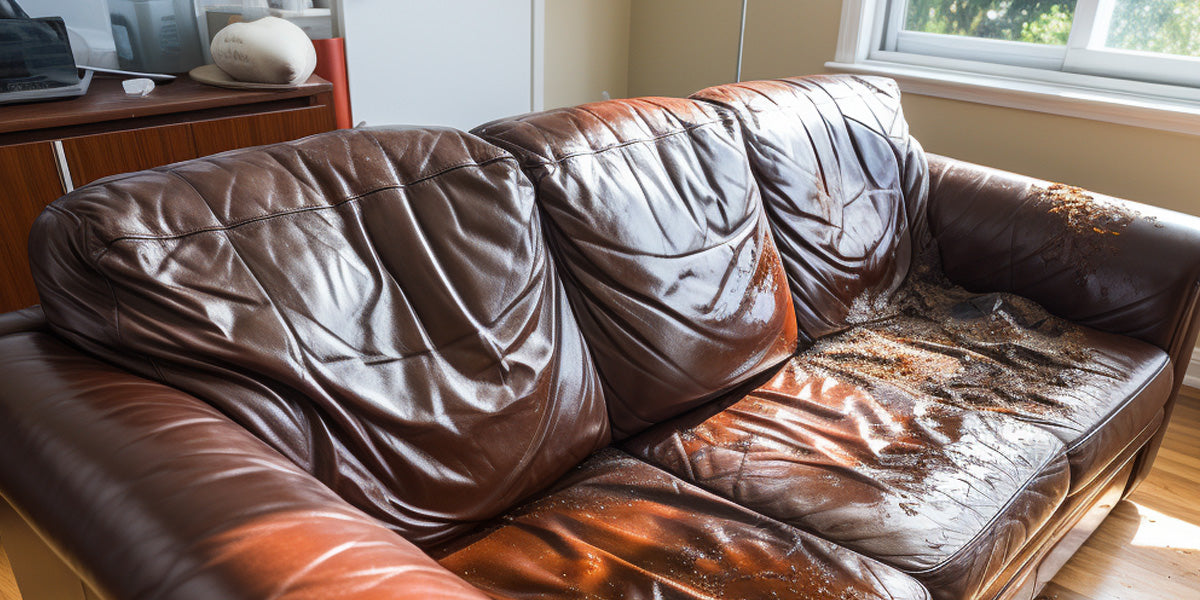
Image credit: vonbaer.com
If your sofa has been sitting in a humid environment, you might notice that unpleasant, musty smell. This is usually due to moisture trapped in the seams or, worse, mold/mildew spores that haven’t fully blossomed into visible spots yet.
First, get the sofa outside or into a very well-ventilated space. Airflow is your best friend here.
Next, you’ll use the baking soda method, but for odor absorption. Sprinkle a generous, thin layer of dry baking soda over the entire cushion surface. Let it sit for 12 to 24 hours. Baking soda is a phenomenal deodorizer. After the time is up, vacuum it all up using the soft brush attachment.
If the smell persists, that’s when you return to the white vinegar solution. The acid in the vinegar neutralizes the odor-causing bacteria and spores much better than soap. Wipe down the entire sofa with the vinegar solution, and make sure to let it air-dry completely and naturally.
This process of combining baking soda and vinegar solution vs dish soap for odors gives you the strongest chance of success without resorting to harsh chemicals.
Frequently Asked Questions
Can I use rubbing alcohol to clean faux leather furniture?
Yes, but with extreme caution and only for targeted stain removal, like pen ink. Rubbing alcohol is a solvent and can dry out or even damage the plasticizers in the material if used heavily or over large areas. Always apply it sparingly with a cotton swab, and immediately rinse the spot with mild soapy water afterward.
How do I fix sticky residue on faux leather sofa after cleaning?
Sticky residue is usually caused by leftover soap or a residue from a previous, overly-strong commercial cleaner. To fix it, wipe the area thoroughly using a 50/50 mixture of white vinegar and water. Vinegar is excellent at breaking down and dissolving soap film and tacky coatings. Be sure to wipe dry immediately after rinsing.
How often should I condition faux leather upholstery?
Conditioning every 3 to 6 months is generally recommended. If your sofa is in a sunny room, gets heavy use, or is exposed to very dry air (like near a furnace vent), condition it closer to every 3 months. Conditioning helps maintain the material’s flexibility and is essential for cracking prevention.
Are there any recommended commercial cleaners for bonded leather?
The best commercial products are those specifically labeled for use on vinyl, PU, or synthetic leather. Look for non-abrasive, pH-neutral formulas. Many auto interior cleaners designed for vinyl dashboards work well because they are formulated to protect against UV damage and cracking, which is the same challenge faced by bonded leather couches. Tips for Cleaning and Maintaining Vinyl Materials
Cleaning your faux leather sofa doesn’t have to be a monumental task. Once you get the hang of using simple, gentle ingredients and the right technique, you’ll find it’s one of the easiest pieces of furniture to keep looking spotless.
So, now that you know the secrets to keeping that synthetic material supple and clean, what’s the first spot or stain on your couch you’re going to tackle?


Leave a Reply