

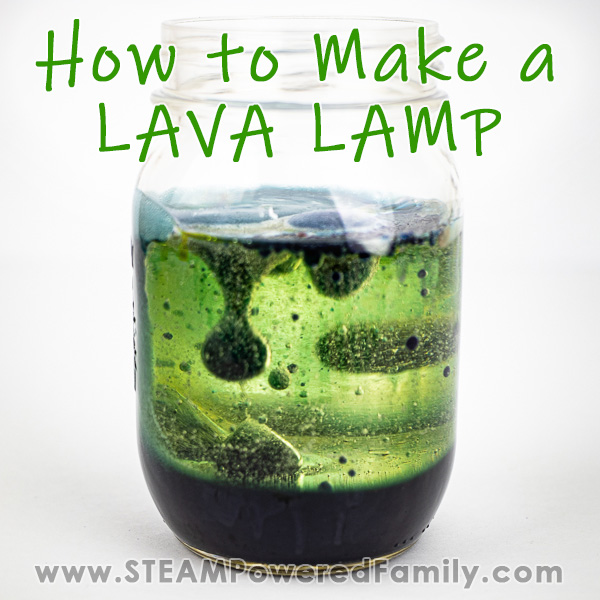
Well, let’s be real. And if you have ever spent some time gazing at the mesmerizingly slow-paced waves of a lava lamp, you have likely wondered: What is it that is happening in there? It appears to be magic, but, believe me, it is nothing more than very clever science masquerading as 1960s kitsch.
I recall the first lava lamp that I had a giant purple monster, which I acquired at the age of ten years. I spent hours with the blobs as they went up and down, fully convinced that it was a piece of alien technology. The amusing aspect here is that the mechanics are quite basic, yet the physics that forms the balance of the entire system is remarkably accurate. The moment you touch it, nothing works.
This is not aimed at listing ingredients. It is to tell you the physics and chemistry of the mesmerizing dance which can take place on your bookshelf right before your eyes. We shall tear away the veil of the *convection current* and see the particular waxy compound which sets these things on wheels.
Key Takeaways
- The primary components are two different liquids that won’t mix, plus a metal coil and a light bulb.
- The lava lamp operates entirely on thermodynamics, relying on precise differences in density and temperature to sustain the convection current.
- The true secret to the flow is a special chemical additive, often a surfactant, that controls the surface tension between the wax and the liquid.
- Most common lava lamp problems, like the wax stopping, are solved by simply checking the operating temperature.
The Magic Recipe: Breaking Down the Components
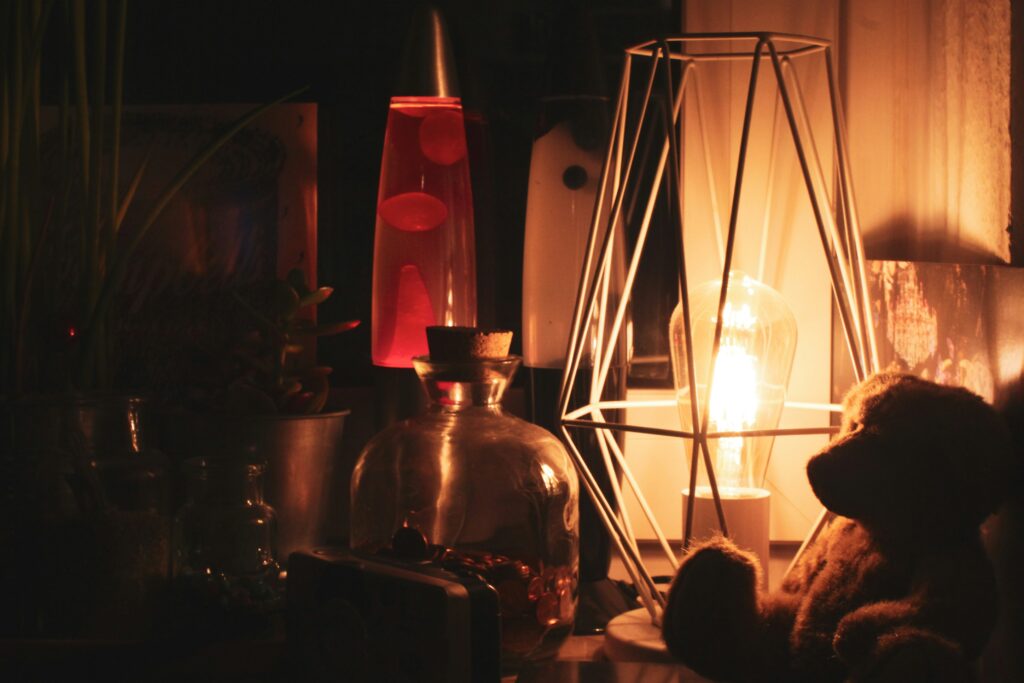
When you look at a classic lava lamp, you see four primary physical parts: the aluminum base, the light bulb, the glass globe, and the protective cap. The real action, though, happens inside that glass globe. The liquid contents inside the sealed glass are what we really care about.
The entire system is fundamentally a fragile balancing game between two substances with virtually identical densities in room temperature that react very differently when heated. The glass globe has two immiscible fluids, i.e. they will not mix such as oil and water, and some stabilizing substances.
The Waxy Mixture (The “Lava”)
The colorful blobs floating around aren’t just colored oil; they’re a complex, waxy mixture. This is typically paraffin wax mixed with carbon tetrachloride or mineral oil. Carbon tetrachloride used to be popular because it is very dense, allowing the wax mixture to be formulated to be slightly denser than the surrounding liquid when cold, but slightly less dense when heated.
If you’re wondering, “Is the colored wax in a lava lamp flammable?” The answer is generally no, not easily, while it’s submerged. It has a high melting point and is encapsulated by the non-flammable liquid. However, if the lamp breaks and the bulb ignites the exposed wax, you could certainly have a fire. Always treat a broken lamp carefully.
The Clear Fluid (The Watery Component)
The surrounding liquid is usually water mixed with propylene glycol or other solvents. This liquid is non-polar and must remain clear. Crucially, it must have a thermal expansion rate that is different from the wax. When the entire container is heated, the clear fluid needs to expand and become less dense *slower* than the wax does. This thermal mismatch is what powers the whole show.
The original inventor, Edward Craven Walker (who founded Mathmos), spent years perfecting this chemical composition to ensure the blobs moved just right. It wasn’t just a matter of dumping wax into water. It required precision.
The Dance of Density: How the Convection Current Works

This is where the physics lesson kicks in, and trust me, it’s fascinating. The entire mechanism inside a lava lamp functions because of two principles: density differences and thermal expansion, which together create a *convection current*.
Here’s how it unfolds:
1. At the beginning, when the lamp is cold, the waxy mixture is at the bottom of the globe of glass since it is slightly more dense than the liquid that surrounds it. The glass is topped with a common incandescent light bulb in the aluminum base.
2. Heat Transfer: The bottom of the glass globe becomes hot due to the heat of the bulb and the thermal energy is directly transferred to the wax.
3. Expansion and Density Shift: When the wax is heated it expands quickly. The density of most substances reduces as the materials expand. Since the wax freezes faster than the surrounding clear liquid, it becomes less dense than the fluid it is resting in. 4. The Float: The hot wax is no longer heavier than the clear fluid, and therefore, being driven up the surface of the globe by buoyancy, ascends to the surface of the globe.
5. The Sink: At the moment when the wax gets to the top, it cools down a bit, as the top of the lamp is open to air in the room. When it cools the wax shrinks again causing its density to be raised. When the wax density to the fluid becomes larger than the clear fluid, the gravity forces the former to sink back towards the heating component at the base.
This process of ascending and descending is the convection current. It causes the blobs to keep moving in a cyclical manner as long as the temperature is correct.
The Secret Ingredient Making the Wax Flow

Look, getting two liquids with slightly different densities to flow when heated isn’t the hardest part of the equation. The really tricky thing is getting the blobs to form nice, clean spheres that separate easily and don’t just turn into one massive slug of wax floating permanently at the top. This is where the true “secret sauce” comes in.
The makers of lava lamps use a chemical component called a *surfactant*.
The first time I tried to fix a lava lamp that had gone cloudy, I made the mistake of trying to substitute the liquid contents with just water and mineral oil. The resulting wax didn’t form spheres; it just smeared along the edges of the glass container. It was awful, like visual static. That’s because I missed the surfactant.
Surfactants, short for surface-active agents, work by changing the surface tension between the two immiscible liquids. They essentially prevent the wax from sticking to the glass walls and help the blobs maintain that satisfying, smooth, spherical shape as they travel through the clear fluid. Without the surfactant, the wax would either clump or stick.
You can actually learn a lot about this by reading up on the original designs by Mathmos, the company that still manufactures them today. They are very particular about their chemical composition because that ratio is absolutely crucial to the lamp’s unique visual appeal.
PRO TIP: Never shake a lava lamp, especially when it’s hot. Shaking introduces air bubbles and—more importantly—it causes the surfactant to emulsify the wax and water. Once the wax and water mix even slightly, the liquid will turn permanently cloudy, and the lamp will likely never flow correctly again.
Keeping the Flow: Temperature and Troubleshooting

The single most common reason why people complain about their lamps not working is temperature. What temperature needs to be maintained for a lava lamp to work? Typically, the globe needs to reach an internal temperature somewhere between 140°F and 160°F (60°C to 71°C) to get the wax to the correct flowing density.
If your lava lamp gets too hot or too cold, the flow will suffer drastically.
Here’s a quick overview of what happens when the balance is lost:
| Condition | Effect on Wax | Reason |
|---|---|---|
| Too Cold (Ambient Room Temp Below 65°F) | The wax stays dense and solidifies on the bottom. No movement. | The light bulb cannot generate enough heat to initiate the required density change. |
| Too Hot (Ambient Room Temp Above 80°F, or using too high wattage bulb) | The wax forms one big slug stuck permanently at the top. | The liquid and the wax are both heated evenly, minimizing the critical density difference needed for movement. |
| Shaken/Cloudy Liquid | Wax sits in tiny pellets, never forming large blobs or flowing smoothly. | The surfactant layer and internal chemical balance are ruined. |
If you’re troubleshooting your own lamp, consider the environment. Is it near an air conditioning vent? Is it sitting in direct sunlight? These outside influences can easily stop the precise convection pattern.
If you notice the wax in my lava lamp stop flowing, here are the first steps to take:
- Ensure the lamp has been on for at least 4-6 hours. Brand new lamps often take longer to start moving correctly.
- Check the wattage of the bulb against the manufacturer’s specifications. Using the wrong bulb is the quickest way to ruin the temperature balance.
- Move the lamp to a stable, temperate location, away from drafts or intense heat sources.
- Look for the metal coil. A coiled wire, usually aluminum or copper, rests at the bottom of the glass globe. This coil helps distribute the heat evenly across the base of the wax. If it’s stuck to the side or missing, the lamp won’t heat evenly, and the blobs won’t flow right.
Safety and Handling: Dangers of Broken Glass Globes

Although the lava lamp is a fairly harmless and nostalgic product, we might discuss the safety a few words. The risks with broken lava lamps are not imaginary, and they are mostly based on the aspects of heat, glass, and chemicals.
In case the glass globe breaks, you are handling hot liquid and glass pieces. Ever attempt to clean up a broken lamp when it is still hot. You need to unplug it and have it completely cool down.
Even knowing the chemical make-up of the liquid in a lava lamp, and particularly the older ones, one will always run the risk of working with something like carbon tetrachlorine, which is lethal when inhaled or taken orally. Although the modern preparations tend to be less harmful (they may be based on mineral oil and water), children and pets should not have access to the spilled material. Clean it up using gloves and well-ventilated.
The desire to try and correct the liquid lines of a lava lamp or to replace the liquid in it oneself is very tempting, more so with older models. But since the exact densities and the right quantity of the surfactant are required in the lamp, the use of tap water or normal oil will not work. The chemical reaction would be a mess or conversely destroy the lamp. In the case of an old lamp, particularly when the original manufacturer, Mathmos, is involved, it is usually worthwhile to consult a professional regarding how to restore it instead of going on a home-based mission to replace it.
The next safest thing that you can do, in case you actually feel like trying to alter the colour, is to purchase a repair kit that offers you the right persistence and formulation of both pronouns of wax and liquid, but frankly, that is a big undertaking. To the majority of the population, a complete substitution of the whole world is an easier and more trustworthy method.
Frequently Asked Questions
Can you replace the liquid contents of a lava lamp?
No, generally speaking, you cannot. While you might find videos online showing people refilling their lamps, the chemical composition of the clear liquid and the wax are manufactured to very specific density thresholds. Simply replacing the liquid with water and food coloring will disrupt the convection current and stop the movement completely.
What specific type of oil is used in the glass container?
The fluid phase is usually a mixture of water and propylene glycol, sometimes with small amounts of mineral oil or highly refined solvents. The key is that the clear liquid must remain immiscible (unable to mix) with the wax and have a specific heat expansion coefficient to ensure the wax rises when heated.
Why does the wax in my lava lamp stop flowing and sit at the top?
If the wax forms a large, immobile blob stuck at the top of the glass globe, it means the entire container is too hot. When the temperature is too high, the density difference between the wax and the surrounding liquid becomes too small, or the wax heats up so much it becomes less dense than the liquid even when cooling. Try moving the lamp to a cooler room or ensuring the bulb is the correct, lower wattage.
How long should a lava lamp last?
A well-maintained lava lamp can last for years, sometimes decades. The light bulb is the component that fails most frequently. Over very long periods (10+ years), the liquid can sometimes turn cloudy due to prolonged exposure to heat, dust, or micro-cracks in the seal, but the internal *capability* of the wax itself usually remains intact.
Is the liquid inside a lava lamp toxic?
Although the contemporary lava lamps are usually low-toxic, they are not food grade. Lamps manufactured before 1970s might contain a very harmful material such as carbon tetrachloride. The majority of modern ones are glycol-water mixtures. In any case, when the lamp malfunctions, pets and children should be separated and the spill must be cleaned up in a safe manner.
So, there you have it. It is no magic behind the entrancing lava lamp, but simple good thermodynamics. Knowing such a little bit of components, you even admire the design even more, right? Have you ever endeavored to repair a cloudy lamp? Let me know what happened!


Leave a Reply