

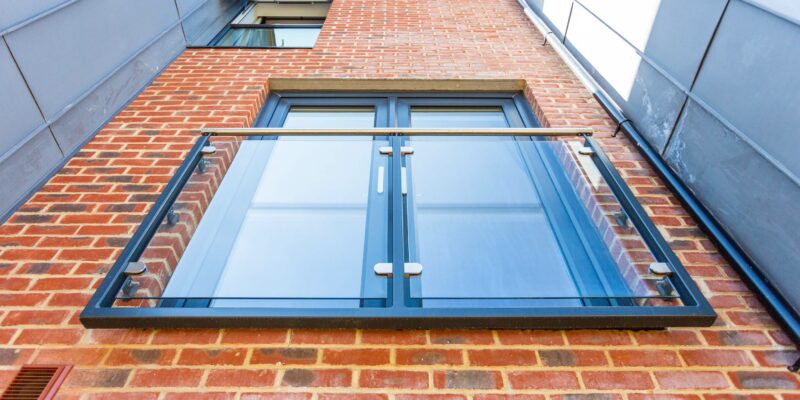
I don’t know about you, but whenever I see a building facade decked out with those elegant, minimal railings right outside a set of double doors, I feel like I’ve been transported to Paris or Rome. They just scream sophistication. But if you’re standing inside looking out, you quickly realize you can’t actually step outside and sip coffee.
That’s the beautiful contradiction of the Juliet balcony. It’s a design feature that often generates more questions than answers. What exactly is a Juliet balcony? Is it just for looks, or does it have a real purpose? And the million-dollar question for any homeowner: do Juliet balconies add property value?
Well, we’re going to sort through all the specifics, from the Guardrail Height Regulations to the best materials like Stainless Steel Cable Railing or traditional Wrought Iron. By the time we’re done, you’ll know exactly whether this stylish addition is right for your home.
Key Takeaways
- The primary function of a Juliet balcony isn’t outdoor access, but rather safety and ventilation.
- Compliance with strict building regulations concerning height and load capacity is absolutely mandatory for safety.
- Material choice impacts maintenance and Facade Aesthetics, with glass offering an almost invisible view.
- While not a full balcony, this feature can boost curb appeal and resale value, especially in urban areas.
The Core Definition: Understanding What Is a Juliet Balcony
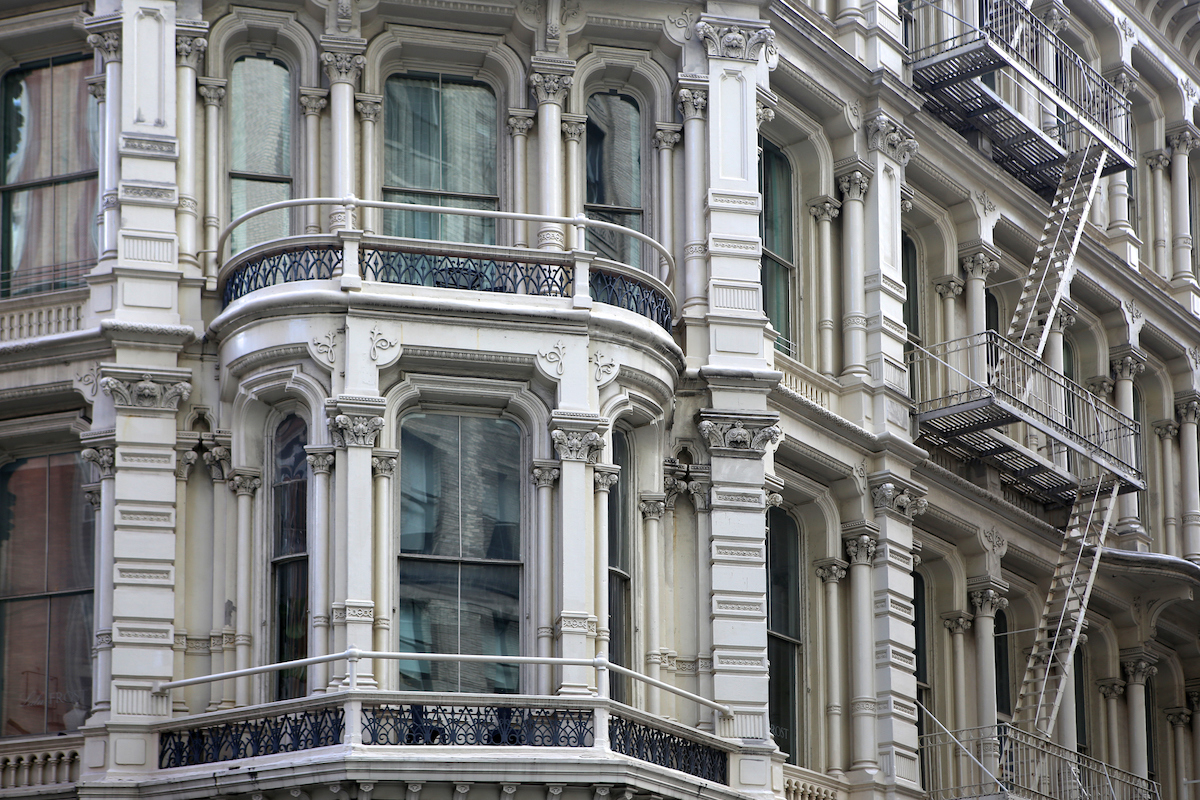
Let’s start with the basics. What is a Juliet balcony, really? Put simply, it’s a guardrail or barrier placed immediately outside a full-height opening—usually French Doors or sliding doors—on the upper floor of a building. It doesn’t jut out from the building’s exterior; there’s no standing platform.
The name is a nod to Shakespeare’s Romeo and Juliet, where Juliet famously calls down to Romeo from her window. While the architecture in Shakespeare’s time might not exactly match our modern steel or glass designs, the idea is the same: providing safe access to open air without the structural burden of a full, usable terrace.
What Is the Difference Between a Balcony and a Juliet Balcony?
The main differentiator is space. A traditional balcony extends out from the building’s main structure, giving you room to stand, maybe put a chair or two, and certainly enough room for plants. It requires significant structural support, like cantilevers or supporting pillars.
A Juliet balcony, however, requires none of that. It’s flush with the exterior wall. It’s a decorative and functional safety barrier, allowing you to open the room fully to the outside air while preventing accidental falls. Think of it as a fancy safety rail for an oversized window.
Why Install a Juliette Railing? Purpose and Practicality

If you can’t actually stand on it, what is the purpose of a Juliet balcony? The answer is twofold: light and air.
If you live in a city or an apartment where interior lighting can feel a bit dim, maximizing the size of your window opening is the best way to flood a room with sunshine. By putting in French Doors and a simple Juliette Railing, you bring that outdoor brightness right inside, making the space feel larger and airier. It lets you get that blast of fresh air without sacrificing safety.
The Real-World Impact on Room Comfort
The first time I tried this design idea was on a narrow Victorian conversion in London. We had a small second-floor bedroom that felt claustrophobic. We considered a full balcony, but planning permission and structural costs were astronomical. Instead, we installed a minimalist Stainless Steel Cable Railing across the door opening.
Honestly, the immediate transformation was huge. That room, which used to feel like a dusty cupboard, suddenly felt like a bright, continental apartment. The difference in the quality of natural light was astounding—it made the paint color pop and really lifted the atmosphere. The funny thing is, you don’t miss the standing room because you get all the visual benefits of the open air.
Pro Tip: If your primary goal is maximizing natural light and maintaining an unobstructed view, always opt for safety glass panels with minimal perimeter framing. The less metal you have blocking the view, the better the final effect.
Building Regulations and Guardrail Height Requirements

Look, you must not be carried away by the romantic notion of open doors, we must get down to business. There is no compromise when it comes to safety and since a Juliet balcony is used as a dominant form of safety protection against a heavy fall, building codes are extremely rigid. You simply have to be right on this.
The regulations usually address two broad topics: the height of the guardrail and the capacity of the structure (that is, how much weight and force the railing and its Anchor Plates can sustain). Such standards exist to ensure that in the event that somebody leans or stumbles on the railing it will not collapse.
While specific rules vary greatly depending on where you live—different countries and even different states or municipalities have their own codes—there are typical requirements that give you a general idea. For instance, in places that follow codes similar to the International Residential Code (IRC) or British Building Regulations, the minimum height is specific.
Generally speaking, the requirement for residential applications dictates the minimum height requirement for Juliet balcony railings is 1100 mm (about 42 inches) from the floor level on the inside of the room. You also need to confirm that your specific railing infill design doesn’t allow a sphere of a certain diameter (typically 100mm) to pass through any gap, which prevents small children from slipping out. This is a crucial safety point often missed by DIY enthusiasts.
You should always consult your local authority or an architect to make sure you are fully compliant with current building standards.
Typical Guardrail Requirements Comparison
Here’s a quick glance at some common requirements you’ll need to consider when planning your installation hardware:
| Requirement Area | Typical Residential Standard (Approx.) | Notes on Compliance |
|---|---|---|
| Minimum Guardrail Height | 1100 mm (42 in) | Measured from the finished floor level. |
| Gapping Limit (Infill) | No gap greater than 100 mm | Prevents small objects (and children) from passing through. |
| Load Capacity (Horizontal) | 0.74 kN per linear meter | The force the railing must withstand when pushed against. |
| Anchor Plate Material | Non-corrosive metals (e.g., Stainless Steel) | Must be secure and able to handle external weather exposure. |
Choosing Materials: Glass vs. Wrought Iron vs. Stainless Steel Cable Railing
Once you’ve nailed down the structural requirements, you get to the fun part: picking the style. The material you choose for your Juliette Railing dramatically affects maintenance, durability, and the overall Facade Aesthetics.
Safety Glass Railings
This is easily the most popular modern choice. Glass railings, particularly those made of laminated or toughened Safety Glass, offer maximum transparency. They virtually disappear when viewed from the inside, which is exactly what you want if you have a spectacular view you’re trying to preserve. Maintenance is mostly wiping down the glass to prevent water spots, but the framework (if any) is often minimal Stainless Steel, meaning very little rust concern.
Wrought Iron and Steel
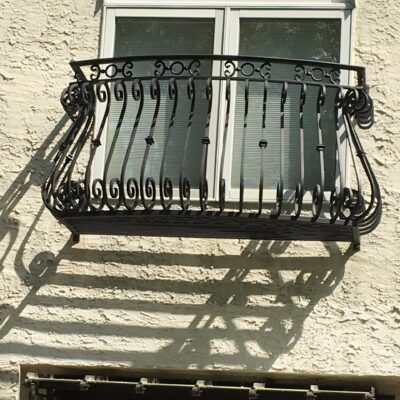
If your home leans toward classical, rustic, or historical architecture, Wrought Iron or standard steel is a fantastic choice. These look solid and dependable, giving you that lovely European look. The drawback? Maintenance required for steel Juliet balconies, especially if they are painted rather than galvanized or powder-coated. They can rust, and you’ll need to scrape and repaint them every few years, which can be a pain if you live near the coast.
Stainless Steel Cable Railing
A sophisticated middle-ground approach is the use of horizontal or vertical Stainless Steel Cable Railing. These are sleek, modern, and extremely durable. They offer a slightly industrial yet nautical feel. They’re great because they don’t block much light, but they provide much more visual texture than plain glass. They’re also relatively low maintenance, typically only requiring occasional cleaning.
Installation Hardware and Facade Aesthetics: Getting the Look Right
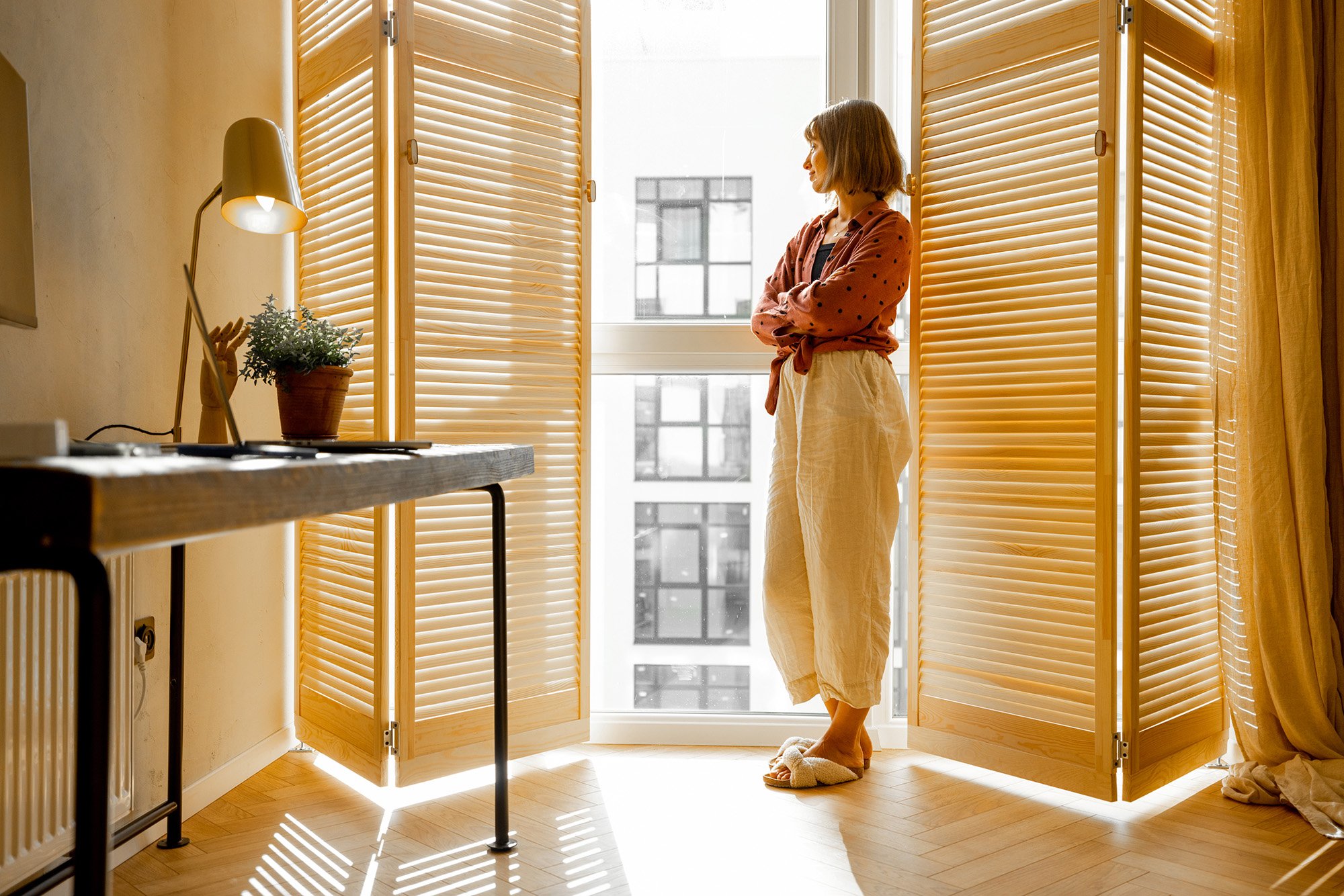
When planning for this feature, the choice of the door itself is linked directly to the railing design. Most people choose French Doors because they open fully, maximizing the opening size. But the mounting method—the installation hardware—is critical for safety and visual appeal.
You usually have two main installation methods for the railing:
- Recessed Mount: The railing is attached to the wall within the opening, often blending seamlessly with the jamb.
- Face Mount (External): The railing is fixed directly to the exterior wall or stucco using robust Anchor Plates. This is often structurally easier and provides a more pronounced architectural feature.
When you use a Face Mount, the design of your railing becomes a significant part of your home’s character. This requires a very careful Approach to detailing so the plates are neat and correctly spaced.
Key Design Considerations for Aesthetics
To ensure your Juliet balcony elevates your home’s look, rather than dragging it down, keep these points in mind:
- Railing Infill Choice: Vertical bars look traditional; horizontal cables look contemporary; single pane glass is almost invisible. Match the style to your home’s era.
- Material Finish: Make sure the metal finish (powder-coated matte black, brushed stainless steel, etc.) matches other exterior metals (gutters, light fixtures).
- Door Style: Ensure the door frame complements the railing. Wide, chunky frames can detract from the sleekness of a minimal glass railing.
- Door Size Opening: You’ll typically need a minimum door size opening wide enough to look proportionate to the room. For most residential rooms, 5 to 6 feet wide feels appropriate for the visual impact.
Converting and Adding Value: Pros and Cons
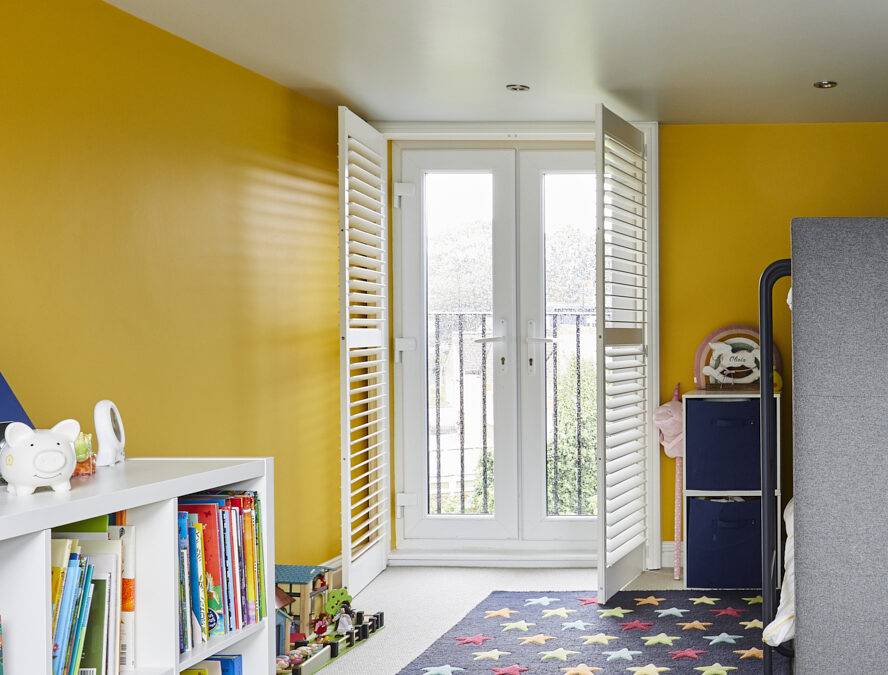
Let’s talk about the bottom line: do Juliet balconies add property value? The short answer is yes, particularly in dense urban areas where outdoor space is rare. However, they don’t add the same value as a full balcony.
The Value Proposition
A Juliet balcony instantly improves the perceived quality of a room. It turns a standard window into a grand focal point. This Strategic visual enhancement drastically improves curb appeal and makes a property stand out in listing photos. For potential buyers, it signals superior light and ventilation, which are huge selling points in city living.
However, realtors will tell you they are not counted as “outdoor space” on the square footage calculation. The added value comes from the aesthetic appeal and improved quality of life inside the room, not from the usable square feet outside. If you can only afford a Juliet setup, it’s a worthwhile investment, especially versus doing nothing.
Can I Convert a Juliet Balcony into a Full Balcony?
This is the question every homeowner asks. Technically, yes, you can convert a Juliet balcony into a full balcony, but it’s rarely a simple weekend project. Converting requires major structural intervention, specifically adding cantilevers or supporting brackets that extend from the structure.
This conversion requires new planning permissions, structural engineering reports, and far more extensive construction than the initial installation. It’s almost always easier and cheaper to design and build a full balcony from scratch than to retrofit an existing Juliet installation.
Pros and Cons of Installing a Juliet Balcony
Pros:
- Significantly increases natural light penetration into the room.
- Allows for safe, full ventilation.
- Less expensive and structurally demanding than a full balcony.
- Boosts Facade Aesthetics and resale appeal.
Cons:
- Offers no actual outdoor living space.
- Requires strict adherence to complex Guardrail Height Regulations.
- Depending on the material (Wrought Iron), may require regular maintenance.
Frequently Asked Questions
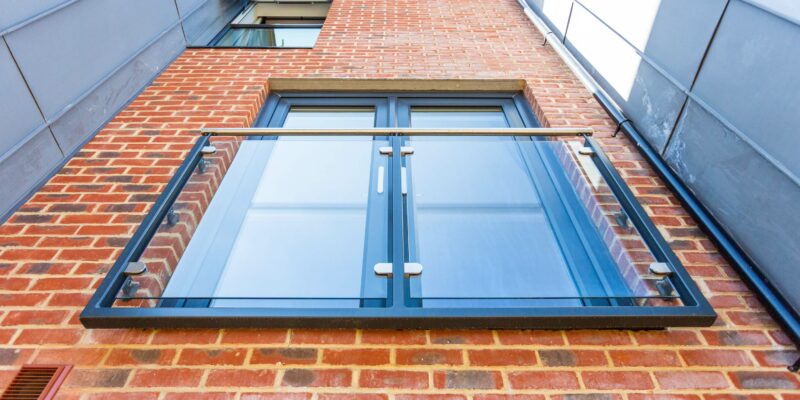
What are the building regulations for installing a Juliet balcony?
While specific rules vary by location, regulations primarily focus on safety: the guardrail must typically be 1100 mm high (about 42 inches), and it must withstand specific horizontal loads. The Railing Infill must also be designed to prevent objects or small children from falling through.
Do Juliet balconies require planning permission?
In many regions, if you are simply installing a flush Juliette Railing and not changing the physical footprint of the building, planning permission may not be required, especially if you’re replacing an existing window with French Doors. However, you absolutely must comply with local building codes, and it’s always best practice to check with your local planning department first.
What size door opening is needed for a Juliet balcony?
The door opening size should be proportional to the room, usually between five and six feet wide for standard living areas or large bedrooms. Since the purpose is maximizing light, choosing the widest opening that fits the space is usually the best option.
How much maintenance required for steel Juliet balconies?
The maintenance required depends entirely on the finish. Powder-coated or galvanized steel is very low maintenance. Untreated or poorly painted Wrought Iron will require scraping, sanding, and repainting every few years to prevent rust, especially in humid or coastal environments.
So, there you have it. The Juliet balcony isn’t just a pretty face; it’s a brilliant architectural solution for getting light and air into a space without the cost or complexity of a full deck. If you’re considering this for your home, remember that safety is paramount—get those regulations right before you purchase the Anchor Plates!
What kind of material do you think looks best on a classic brick facade—modern glass or traditional Wrought Iron?


Leave a Reply