


Well, let’s be real. When you’re hunting through a flea market or scrolling through online listings, everything old suddenly gets labeled “vintage.” But here’s the thing: just being old isn’t enough. If that were the case, the rusty rake in my grandpa’s shed would be worth a fortune. (Spoiler: it’s not.)
I’ve been down this road many times, spending way too much money on pieces that the seller assured me were genuine, only to find out later they were a modern reproduction trying to cash in on the trend. It’s frustrating, and it feels like a waste.
The main thing that I liked about finally learning the true criteria is that it’s extremely versatile. Once you know what makes something vintage, you can apply the same checklist to everything—from clothing and jewelry to furniture and Art Deco period lamps. I don’t think any other knowledge would make me such happy when I’m buying. I can assure you that this will be an eye opener.
We’re going to walk through the real deal. Forget the fluff. We’re talking about the age cut-offs, the subtle clues, and the designer hallmarks that separate the truly collectible status items from just plain old junk.
Key Takeaways
How old does an item need to be to qualify as vintage?
:max_bytes(150000):strip_icc()/vintage-vs-antique-vs-retro-6541571_V2-091a2a3fdebe48ccbf2559b41cb7c2ce.png)
This is the first question everyone asks, and honestly, the answer is simpler than you might think, though people often mix up the rules. Generally, for an item to be classified as vintage, it needs to be at least 20 years old, but less than 100 years old. If it hits the 100-year mark, it’s usually an antique.
The sweet spot for the word ‘vintage’ sits right there in the middle, and it typically refers to items that capture the essence of a specific past era. We’re talking about the 1920s through the 1990s. When you try to sell things that qualify as vintage, age is the first hurdle they have to clear.
Now, here’s where it gets interesting: depending on the industry, the minimum age can creep up. For vintage clothing, the cutoff date is often a little stricter. While 20 years is the technical floor, many serious collectors use a 50-year-old minimum for certain types of clothing or textiles to really count it as true vintage.
Look, the definition is a little flexible, but it’s rooted in cultural history. Vintage pieces weren’t just made in the past; they represent the style, technology, and design sensibility of that past period.
What is the difference between antique, vintage, and retro?
I hear people mix up these three words constantly. It drives me crazy! Using the wrong term can seriously confuse buyers and sellers, and it even affects the perceived value of the item. When should you use the word vintage instead of old? When it fits the criteria below.
Let me quickly delineate the commonly accepted definitions, especially in the collecting world:
| Term | Age Range | Defining Characteristic |
|---|---|---|
| Antique | 100+ years old | Defined by age. Usually rare due to survival rate and age. |
| Vintage | 20 to 100 years old | Defined by age and association with a specific style or era (e.g., Mid-century modern). |
| Retro | Modern, less than 20 years old | Is retro the same thing as vintage? No. Retro items are new reproductions or designs inspired by older styles. |
The funny thing is that many people see a cool old-looking piece made last Tuesday and call it vintage. It’s not. That’s retro. Retro is a tribute. Vintage is the original artifact. If you’re looking at a brand-new dress designed to look like a 1950s poodle skirt, that’s retro. If you’re looking at a dress actually worn in the 1950s, that’s vintage.
How do collectors determine if a vintage item is actually worth something?
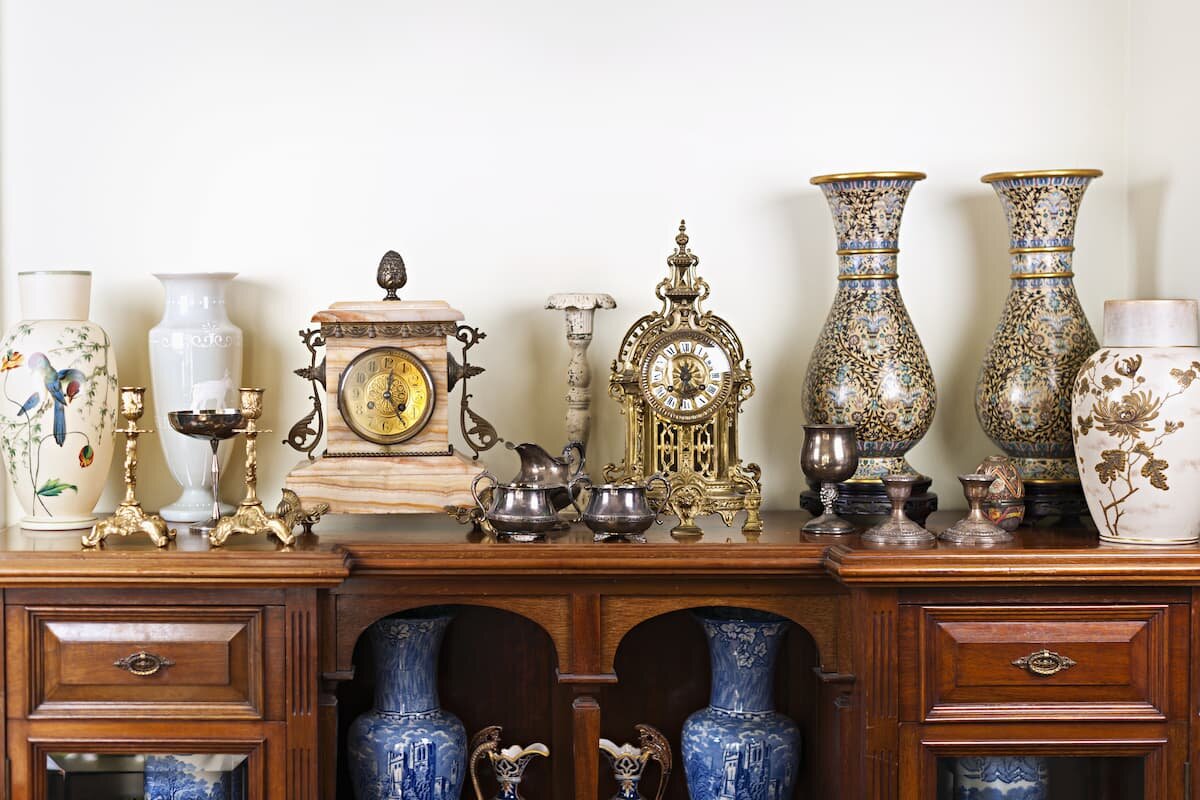
Just because something is technically vintage doesn’t mean it’s worth a pile of cash. Does being vintage increase the value of an item? Absolutely, but only if it hits a few other critical markers. An Appraisal methodology has to look past just the date.
The first time I tried this, I made the mistake of buying a beautiful old Swiss watch that was only $50. I thought I had found a hidden gem. But oh man o man!!! It had almost no value because, while it was 40 years old, it was a mass-produced, base-metal piece with no verifiable provenance or designer hallmarks. I bought the story, not the substance.
That little mistake taught me a lot about condition report and rarity. People who buy truly valuable vintage items look for details you can literally feel—the cold, solid weight of old brass versus cheap modern alloys. They listen for the specific sounds of a genuine mechanical movement working after decades.
To really command a high price, an item needs authenticity, great condition, and sometimes a solid story behind it.
Pro Tip: Always prioritize provenance. Provenance means the documented history of ownership. If you can prove who owned the item, where it came from, or that it was part of a specific historical moment, you add an incredible amount of value and trustworthiness to the piece. An authenticity certificate helps, but documented history is king.
What specific criteria defines a vintage item beyond just its age?

Age gets you in the door, but these specific elements are what separate a nice old thing from a valuable piece of history. What makes furniture classified as vintage, or a jacket worth thousands, usually comes down to these details:
Patina and Wear
Patina is the surface appearance that comes from age and handling—that greenish film on copper, the darkening of silver, the softness of aged leather. Patina is generally good; damage is bad. The condition report needs to differentiate between the two. Restoration ethics suggest that you should often clean and maintain vintage items, but stripping away the patina is usually seen as destroying its history.
Rarity and Collectible Status
If millions of the item were produced, the collectible status drops unless it’s linked to a very specific event (like a major brand collaboration). If the item was only produced for a very short period, or if it represents a failed or rare design experiment, the value climbs because of its scarcity.
Construction and Materials
This is where you spot reproduction versus original pieces. Look for older construction methods that aren’t common today. Think dovetail joints on Mid-century modern cabinets, or specific loom characteristics in textiles like the signature edge of Selvedge denim jeans. These material traits can instantly confirm or deny the item’s age.
To ensure you’re looking at a true vintage piece, check for these markers:
- Designer Hallmarks: Are the manufacturer’s stamps or signatures present and correct for the advertised era?
- Period-Specific Fixings: Do the screws, nails, or zippers match the type used during that time?
- Material Decay: Is there expected, uniform aging? (For example, paper should yellow evenly, not just in one spot.)
- Provenance Documents: Can the seller provide any papers or history tracing the item back? This is especially critical for high-end items.
Where can I sell things that qualify as vintage?
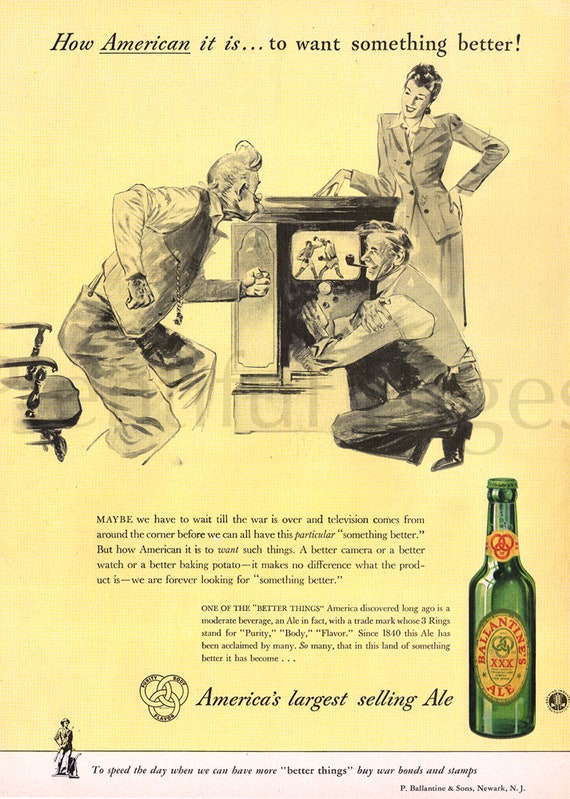
If you have pieces that meet these standards—good age, verifiable criteria, and desirable aesthetic—you’ve got options. Knowing where to sell depends entirely on what you have and how much effort you want to put into it.
For high-value items, like fine Art Deco period jewelry or furniture, you might want to consider an established auction house that handles appraisal methodology. They take a cut, but they bring in serious buyers and offer that crucial authenticity certificate that helps buyers trust the piece.
For more everyday collectibles, online marketplaces or specialized local consignment shops work well. Just make sure your listing is brutally honest about the condition report. Transparency builds trust, and trust is the foundation of getting good prices. If you hide flaws, you’ll just get returns, which is nobody’s definition of a satisfactory transaction.
Remember that the way you describe it matters. Use accurate period names (1970s Disco Era, 1950s Atomic Age, etc.) and clearly state why it is vintage, not retro. This helps the serious collectors find you quickly and shows you have expertise in what you are selling.
Frequently Asked Questions

What year cut-off determines vintage clothing?
While the technical definition of vintage is anything over 20 years old, the fashion world tends to be more specific. Most experts and dealers consider truly vintage clothing to be 50 years old or more. Items 20-49 years old are often called “contemporary vintage” or “modern pre-owned.”
Does an item have to be in perfect condition to be vintage?
Absolutely not! Very few items survive decades in mint condition. In fact, some minor wear and tear, or patina, is expected and actually desirable because it confirms the item’s age. However, major damage, missing components, or poor restoration work will severely reduce its worth. Collectors look for items in “very good” to “excellent” condition report relative to their age.
How is the term vintage legally defined?
The term “vintage” doesn’t usually have a strict legal definition that applies across all types of products, unlike “antique” which is legally defined for import duties in many countries (often 100 years or older). For commercial purposes, “vintage” is more of a generally accepted industry term, usually requiring the 20-year minimum to avoid misrepresentation in marketing.
So, now you know what makes something vintage. Next time you’re shopping, what specific criteria are you going to look for first—the patina, or the designer hallmarks?


Leave a Reply