


Well, let’s be real. That gorgeous dining room table you bought? It often ends up being a landing pad for mail, keys, and maybe a sad, dusty fruit bowl. If you’re anything like me, you want that table to feel welcoming and stylish, even when you aren’t hosting a huge holiday dinner.
Honestly, styling a dining room table centrepiece shouldn’t feel like a high-stakes, confusing project. It should feel fun! For years, I struggled, just grabbing whatever vase I had and sticking a clump of flowers in it. It was fine, but it wasn’t *great*. It didn’t make the room sing.
The main thing that I liked about finally learning the rules of table styling is the sheer versatility it offers. Once you know a few tricks—like the magic number for height or how to use a table runner correctly—you can change the mood of the entire room in about five minutes. I can assure you that focusing on thoughtful decoration will be an eye opener. You don’t need expensive stuff; you just need to know how to put it together.
Key Takeaways
- Understand the “Sightline Rule” before picking anything tall.
- Discover how to create DIY cheap centrepiece ideas using foraged or affordable items.
- Learn the method for styling long narrow dining table centrepieces using repetition and groupings.
- Find practical, non-floral, year-round dining table centrepiece options that don’t require constant maintenance.
What’s the best height for a dining room centrepiece?

The first time I tried this, I made the mistake of buying a gigantic, stunning crystal candelabra. It looked beautiful when the table was empty, but as soon as we sat down, it became a visual wall. We had to crane our necks around it just to talk! It proved me wrong, and I’m so happy I figured that out early because it made me rethink the entire approach.
We need to talk about the “sightline rule.” For comfortable conversation, your centrepiece should either be very low (under 12 inches) or very high (over 24 inches). For most people and most daily use, you’re going to want low-profile centrepiece ideas.
PRO TIP: When selecting dining room table centrepiece ideas, always remember the “12-Inch Rule” for everyday décor. Your centrepiece should never be taller than 12 inches if it sits within the main conversational area. This ensures clear sightlines and easy communication.
For a low-profile look, think about things that sit close to the surface, like a simple grouping of tea lights, a shallow pedestal bowl filled with decorative moss, or a string of battery operated lighting running down the middle. This instantly gives you that nice, cozy glow without making guests play peek-a-boo.
Can I find cheap DIY dining room centrepiece ideas that look expensive?

I’m a big fan of using found or seasonally swapped items. For example, instead of shelling out a ton for flowers in winter, grab some birch logs or dried branches from outside. Group them together in a clean basket or lay them horizontally down a linen table runner.
Here are a few quick DIY ideas that won’t break the bank:
- **The Apothecary Look:** Grouping small, matching bottles or mismatched vintage jars and filling them with single stems of inexpensive greenery like Eucalyptus garland cuttings or baby’s breath.
- **The Glowing Field:** Use a dozen small, clear votive holders with simple white floating candles. The collective candlelight creates a warm, rich atmosphere that feels incredibly luxurious, even though the supplies were probably under twenty dollars.
- **Textural Contrast:** Find woven placemats or a natural fiber runner. Place a simple, rectangular wooden tray on top and fill it with smooth river stones or polished wood spheres. This rustic farmhouse dining table decor is both simple and surprisingly striking.
How do I style a long narrow dining table centrepiece?
:max_bytes(150000):strip_icc()/Ashley-Webb-Interiors-48a23add6cda49e7a552d56516d4453f.jpg)
The winning method here is creating an asymmetrical arrangement of small groupings. Instead of one big thing, use three, five, or even seven smaller pieces laid out linearly. You need visual rest spots between the groupings so it doesn’t look like a single line of stuff.
For example, start with a solid table runner. Then, place a medium-sized vase of Hydrangeas near one end. Move down a foot or two, and place a pair of Mercury glass candlesticks. Go down further and finish with a small bowl of fruit. By doing this, you keep the flow going, ensuring every part of the table feels decorated and thoughtful.
The length allows you to really lean into the grandeur of a Eucalyptus garland. I love laying a full, thick garland right down the middle and weaving in small, battery-operated fairy lights. It creates a lush, organic feel that’s just gorgeous. For a truly authentic look, some design experts suggest keeping arrangements loose and slightly undone, which works perfectly with the asymmetrical approach.
What are the best non-floral year-round dining table centrepiece options?
My current favorite is the use of dried elements. Pampas grass is absolutely massive right now, and for good reason. It offers great height and texture but requires zero water. You just stick a few fluffy stems into a nice stoneware vase, and you’re done. It works perfectly for Scandinavian design aesthetics—clean, neutral, and textural.
Another great option is using a tiered tray as a dining table centrepiece. This works especially well if your kitchen and dining areas are quite open. A tiered tray lets you introduce small, themed items that are easy to swap out—things like tiny ceramic birds, a couple of favorite cookbooks, or seasonal gourds.
| Style Type | Key Materials | Centrepiece Height Recommendation | Strategic Use |
|—|—|—|—|
| **Rustic Farmhouse Chic** | Woven placemats, galvanized metal, birch logs, cotton bolls. | Low-profile (under 12 inches) | Daily use, promotes casual eating and conversation. |
| **Minimalist/Scandinavian** | White ceramic, matte black finishes, Pampas grass, empty wood bowls. | Low/Medium (10–18 inches) | Focus is on texture and negative space; use small groupings. |
| **Elegant/Formal** | Crystal candelabra, Mercury glass, white linens, Hydrangeas. | High (over 24 inches) | Occasional use only (e.g., formal dinners, wedding reception). |
| **Bohemian Vibe** | Dried grasses, rattan, colorful glass, thick textile runner. | Medium (Varies widely) | Ideal for creating a warm, cozy feeling year-round. |
How do I decorate a dining table for Christmas dinner or other holidays?
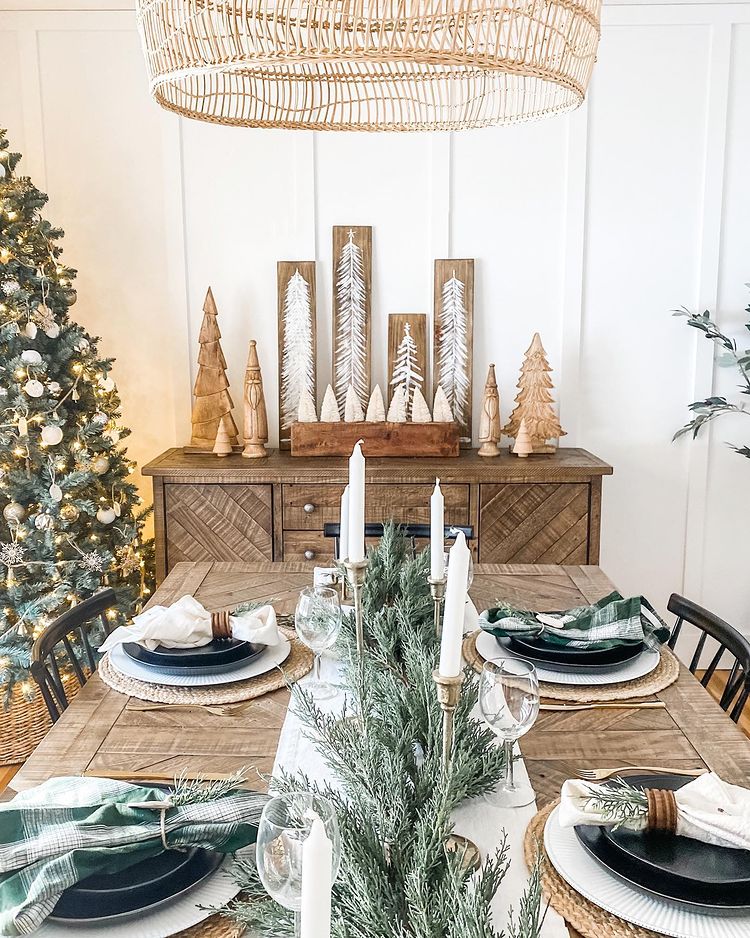
For fall and Thanksgiving dining table arrangements, I love layering. Start with a deep orange or burgundy table runner. Add gourds, mini pumpkins, and scatter a few dried leaves. Instead of one large arrangement, create a flowing landscape. If you use a pillar candle holder, make sure it’s tall enough to clear the food and cast light downwards.
For Christmas, you can’t beat the drama of floating candles. Take three clear glass vases of varying heights, fill them with water, drop a few fresh cranberries and pine sprigs in the bottom, and top them with white floating candles. When you light them, the light reflects off the water and the glass, creating the most incredible, sparkling feeling. It’s simple, but man o man, does it make the whole room feel special.
If you’re hosting a truly elegant wedding reception table, look for matching glass or silver elements and stick to a cohesive color palette. Often, a single, magnificent floral piece (like full Hydrangeas or roses) set high above the line of sight is preferred, usually paired with highly polished woven placemats and crisp linens. This ensures the table itself acts as a dramatic backdrop to the important gathering. If you want to dive into the principles that make formal tables feel so grand, I find looking at proper place setting guidance can really help inform your decor choices.
The key to holiday decoration is making sure the décor complements the food and the atmosphere, rather than competing with it. Let the sensory detail of the warm candle glow and the scent of pine or cinnamon do the heavy lifting!
Frequently Asked Questions
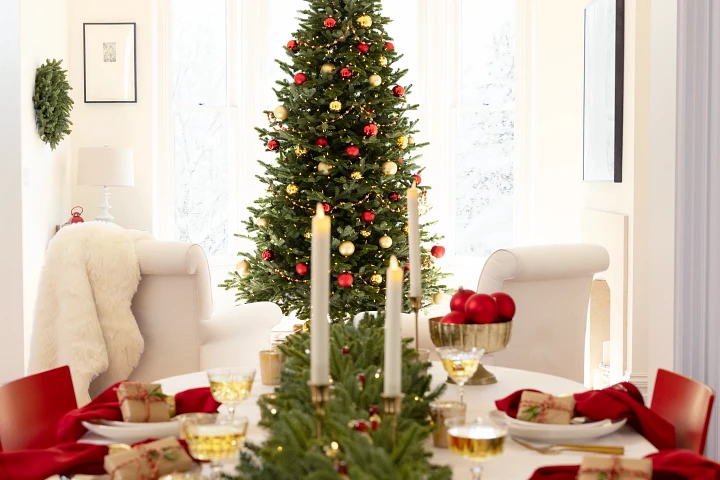
I get these questions all the time about dining room table centrepiece ideas, especially when trying to balance beauty and everyday utility.
What size centrepiece is best for a round table?
For a round table, symmetry is usually your friend. One central, substantial piece works better than linear groupings. If you have a small round table, use a smaller scale pedestal bowl or a low basket filled with fruit. If the table is large, choose a wide, low arrangement that occupies the center space without crowding the place settings.
How often should I change my everyday centrepiece?
You definitely don’t need to change it weekly! For a non-floral year-round dining table centrepiece, aim for seasonal shifts. Swap out elements four times a year—spring, summer, fall, and winter. For example, trade the birch logs and pine cones for colorful glass floats and shells in the summer. This keeps things fresh without being demanding.
Should I use a table runner with a low-profile centerpiece?
Yes, absolutely! A table runner is like the foundation of your entire display. It helps ground the low-profile centrepiece and defines the space, especially on a bare wood table. It provides color and texture and helps the smaller items look intentional rather than just randomly placed on the wood.
Now that you’ve got the methods, go look around your house. What textures can you bring together? What simple items can you group to create something grand? When you try to make your dining table feel truly special, you’ll see the difference it makes in the whole room!
What’s the first thing you plan on swapping out on your table this week?


Leave a Reply