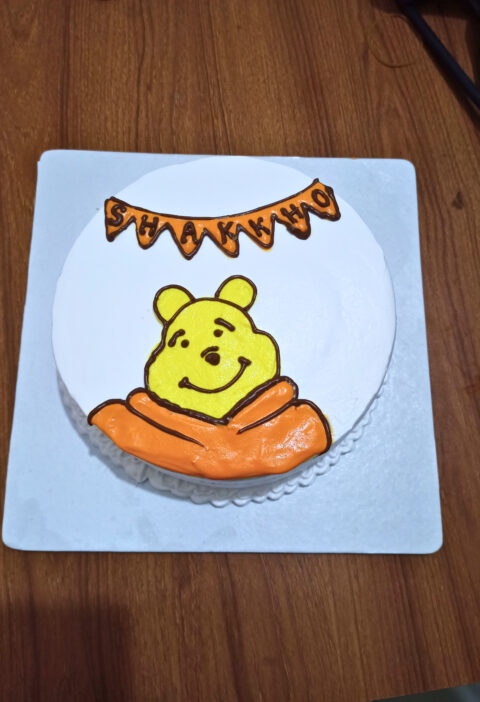
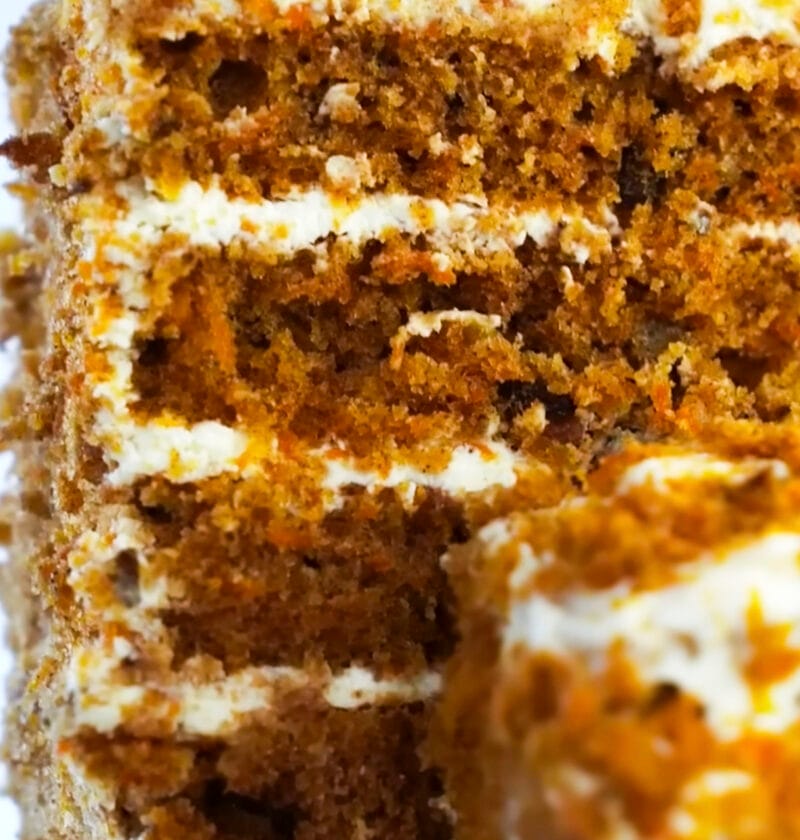
When you can’t believe the amount of work that went into something you made at home, and it’s just as amazing when you prepare it yourself, why does takeout always sound like the simpler option? Picture a soft, savory cake with a delectable cream cheese frosting, stuffed with warm, spiced carrots and toasted nuts.Think of a cake that has a luscious, tangy cream cheese frosting and is filled with savory, toasted nuts and carrots. This is the homemade carrot cake experience we are talking about, and I can assure you, it’s worth the time.
Avoid the dry, sweet and often unpalatable store-bought alternatives. You’re on the brink of finding out how straightforward it could be to make a genuinely remarkable carrot cake that will get individuals questioning you for your recipe. We are taking you through all the steps – from picking your carrot to applying the final drizzle of frosting. Prepare to bake a dessert that is not only delicious, but perfect for any table and will feel like a hug.
Carrot cake
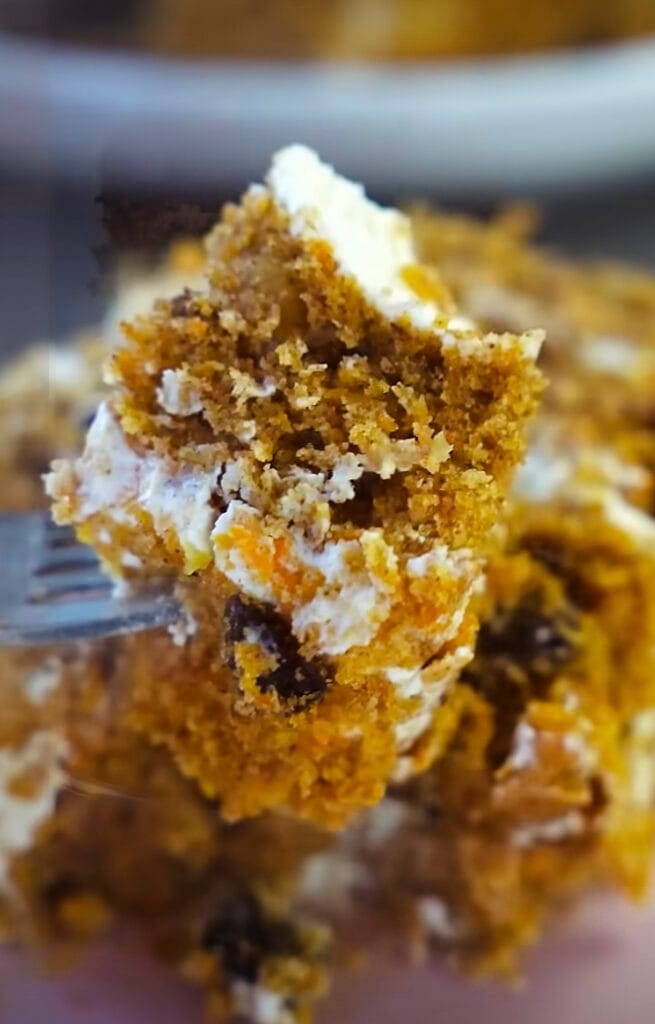
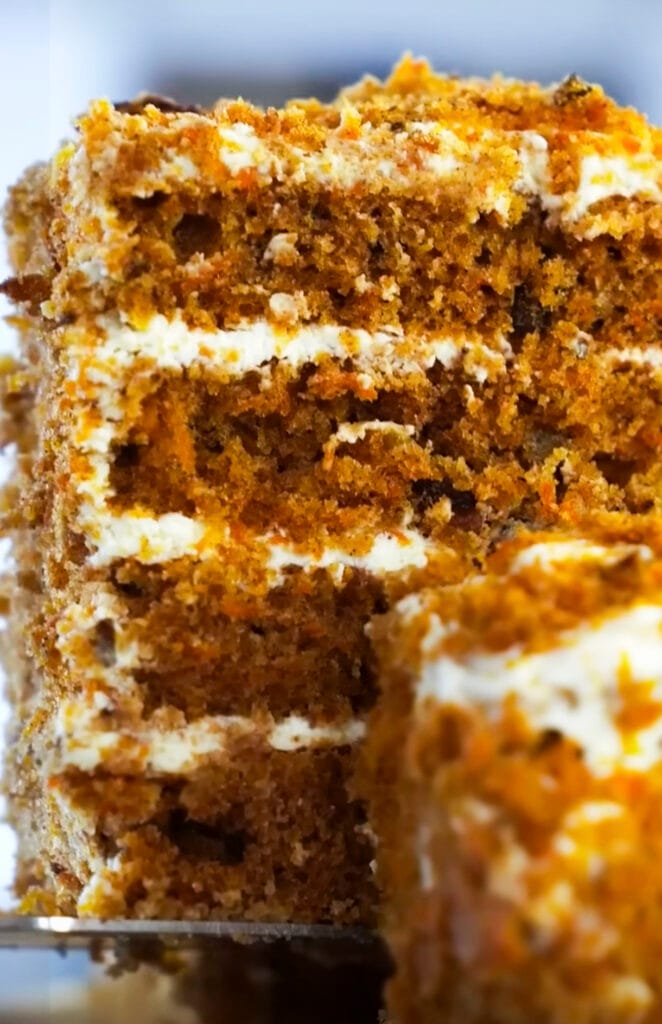
A deeply spiced, incredibly moist cake studded with fresh carrots, crowned with luscious cream cheese frosting.
Ingredients
-
-
- 2 cups (240g) all-purpose flour
-
- 2 cups (400g) granulated sugar
-
- 1 teaspoon baking soda
-
- 1 teaspoon baking powder
-
- 1/2 teaspoon salt
-
- 1 tablespoon ground cinnamon
-
- 1/2 teaspoon ground nutmeg
-
- 1/4 teaspoon ground cloves (optional, but lovely!)
-
- 1 1/2 cups (360ml) vegetable oil (or other neutral oil)
-
- 4 large eggs, at room temperature
-
- 1 teaspoon vanilla extract
-
- 3 cups (about 3 medium carrots) finely grated carrots
-
- 1 cup (115g) chopped walnuts or pecans (optional)
-
- 1/2 cup (75g) raisins (optional)
-
For the Cream Cheese Frosting:
-
-
-
- 8 oz (226g) cream cheese, softened
-
- 1/2 cup (113g) unsalted butter, softened
-
- 4 cups (480g) powdered sugar, sifted
-
- 1 teaspoon vanilla extract
-
- Pinch of salt
-
-
Necessary Utensils & Equipment
-
-
-
-
- Two 8 or 9-inch round cake pans (or one 9×13 inch rectangular pan)
-
- Medium mixing bowl
-
- Rubber spatula
-
- Measuring cups and spoons
-
- Box grater or food processor (for carrots)
-
- Electric mixer (stand or hand-held)
-
- Parchment paper
-
- Cooking spray or butter for greasing pans
-
- Wire cooling rack
-
- Offset spatula or butter knife for frosting
-
-
-
Instructions
-
-
-
-
- Prep Your Pans & Preheat: Adjust your oven rack to the middle position and preheat to 350°F (175°C). Grease and flour your cake pans (or line with parchment paper rounds) to prevent sticking. For a 9×13 inch pan, just grease and flour.
-
- Combine Dry Ingredients: In your large mixing bowl, whisk together the flour, granulated sugar, baking soda, baking powder, salt, cinnamon, nutmeg, and cloves. Make sure there are no lumps and everything is well combined.
-
- Mix Wet Ingredients: In a separate medium bowl, whisk together the vegetable oil, eggs, and vanilla extract until smooth and fully blended.
-
- Combine Wet and Dry: Pour the wet ingredient mixture into the dry ingredients. Stir with a rubber spatula until just combined. Be careful not to overmix; a few streaks of flour are okay. Overmixing develops gluten, which can make your cake tough.
-
- Fold in Carrots & Add-ins: Gently fold in the finely grated carrots, and if using, the chopped walnuts/pecans and raisins. Distribute them evenly throughout the batter. You want those vibrant specks of orange and crunch in every bite.
-
- Fill Pans & Bake: Divide the batter evenly between your prepared cake pans. For round pans, this usually means two pans. If using a 9×13 inch pan, pour all the batter in.
-
- Bake Time: Bake for 30-45 minutes for round pans, or 45-55 minutes for a 9×13 inch pan, or until a wooden skewer inserted into the center comes out clean or with moist crumbs attached. The exact time depends on your oven and pan size.
-
- Cool Down: Let the cakes cool in their pans on a wire rack for about 15-20 minutes. After that, carefully invert them onto the wire rack to cool completely. This part is important: your cakes must be entirely cool before frosting, or the frosting will melt and slide right off.
-
- Make the Cream Cheese Frosting: While the cake cools, beat the softened cream cheese and butter together in your large mixing bowl (using an electric mixer) until light and fluffy, about 2-3 minutes.
-
- Add Powdered Sugar: Gradually add the sifted powdered sugar, one cup at a time, beating well after each addition until smooth. If you add it all at once, you’ll end up in a cloud of sugar dust!
-
- Finish Frosting: Stir in the vanilla extract and a pinch of salt. Beat until the frosting is smooth, creamy, and spreadable. Adjust consistency if needed: add a tiny bit more powdered sugar if it’s too thin, or a tiny splash of milk if it’s too thick.
-
- Frost the Cake: Once the cake layers are completely cool, assemble and frost your cake. If making a two-layer cake, place one layer on your serving plate, spread a generous amount of frosting, then top with the second layer. Frost the top and sides of the entire cake.
-
- Decorate & Serve: You can decorate with extra chopped nuts or small carrot shavings if you like. Slice and serve!
-
-
-
Mistakes To Avoid
It’s not difficult to make a truly memorable carrot cake, just a few simple tips can help make it that way. We want your cake to be the show itself and not a dessert. These tips will lead you towards getting that perfect texture as well as keeping it fresh.
Ways To Make Super Moist Cake
Several sources of moisture are used in carrot cake. Firstly the oil is the secret, it makes the cake longer-lasting than butter! Secondly, the freshly grated carrots will give off moisture while the cake is baking. They should be shredded very small, almost like confetti, so that they blend into the cake and don’t seem chunky.
The first time I made carrot cake, I used a bag of pre-shredded carrots from the store. While convenient, they were much drier and coarser than freshly grated ones, leaving my cake with noticeable, hard bits of carrot. I quickly learned that taking a few extra minutes to grate them yourself is truly worth the effort for that soft, almost invisible texture in the finished cake. It makes a surprising amount of difference to the feel of each slice.
Pro Tip: Ensure all your ingredients for both the cake and the frosting are at room temperature. This helps everything mix smoothly and evenly, creating a uniform batter and a truly creamy frosting without lumps or separation.
Frosting Finesse
Cream cheese frosting can be tricky. Too warm, and it’s a runny mess. Too cold, and it’s stiff and hard to spread. The key is working with softened cream cheese and butter. If your kitchen is warm, you might even need to chill the finished frosting for 10-15 minutes to firm it up slightly before spreading. If it gets too stiff, just let it sit at room temperature for a few minutes.
To make your frosting extra smooth and lump-free, always sift your powdered sugar. It breaks up any clumps and makes for a silkier frosting. You’ll thank me when you’re spreading it, trust me.
Troubleshooting Common Issues
- Cake too dry? You likely overmixed the batter, which develops too much gluten, or you overbaked it. Use a timer and check for doneness with a skewer.
- Cake isn’t rising? Check the expiration dates on your baking soda and baking powder. Old leavening agents won’t do their job!
- Frosting is too runny? Add more sifted powdered sugar, about 1/4 cup at a time, until it reaches the desired thickness. A quick chill in the fridge can also help.
- Frosting is lumpy? Your cream cheese or butter might not have been soft enough, or your powdered sugar wasn’t sifted. Try beating it longer, or if it’s really bad, gently warm a small portion over a double boiler, then beat it back into the rest.
Flavor Variations You’ll Adore
While this classic recipe is amazing on its own, you can always play around with the flavors:
- Add Pineapple: For extra moisture and sweetness, fold in 1/2 cup of drained crushed pineapple along with the carrots. It adds a lovely tropical brightness.
- Coconut Love: Mix in 1/2 cup of shredded unsweetened coconut to the batter for a subtle chewy texture and tropical taste.
- Spice It Up: If you love a bolder spice flavor, feel free to slightly increase the cinnamon, nutmeg, or add a pinch of allspice.
- Citrus Zest: A teaspoon of orange or lemon zest added to either the cake batter or the frosting can bring a beautiful, bright counterpoint to the richness.
Storing Your Carrot Cake
This cake keeps beautifully! Since it contains cream cheese frosting, it needs to be stored in the refrigerator.
- At Room Temperature: You can leave it out for an hour or two for serving, but no longer.
- In the Fridge: Store any leftovers in an airtight container for up to 5 days. I find it tastes even better the next day as the flavors meld.
- Freezing: Yes, you can freeze carrot cake! Wrap individual slices or the entire unfrosted cake tightly in plastic wrap, then aluminum foil. It will keep for up to 3 months. Thaw in the refrigerator before frosting or serving.
Making a homemade carrot cake isn’t just about the dessert; it’s about the wonderful aroma filling your kitchen and the sheer joy of sharing something truly special. So go ahead, give this recipe a try. You’ll discover it’s not nearly as complicated as it seems, and the results are truly rewarding.
What’s your favorite secret ingredient to add to carrot cake?
Frequently Asked Questions
Can I use pre-shredded carrots for this recipe?
While you *can* use pre-shredded carrots, I strongly recommend grating them fresh yourself. Store-bought shredded carrots are often thicker and drier, which can make your cake less moist and give it a tougher texture. Freshly grated carrots, especially if they’re finely grated, release more moisture during baking and blend more seamlessly into the cake, creating that tender, melt-in-your-mouth crumb we’re aiming for.
How long does homemade carrot cake last, and how should I store it?
Your homemade carrot cake, because of its cream cheese frosting, should be stored in the refrigerator. Covered tightly, it will stay fresh and delicious for about 4-5 days. I actually think the flavors deepen and improve after a day or two in the fridge. For serving, you can let it sit at room temperature for an hour to soften the frosting slightly, but don’t leave it out for extended periods.
Can I make carrot cake ahead of time?
Absolutely! Carrot cake is a fantastic make-ahead dessert. You can bake the cake layers up to 2-3 days in advance, let them cool completely, wrap them well in plastic wrap, and store them at room temperature. You can also make the frosting a day or two ahead and keep it in an airtight container in the fridge; just bring it to room temperature and give it a quick whip before frosting. This approach breaks up the work and makes serving day less hectic.
What if my cream cheese frosting is too soft or too stiff?
If your frosting is too soft and runny, it’s likely too warm or has too much liquid. Try adding a bit more sifted powdered sugar (a quarter cup at a time) and beating it in until it reaches your desired consistency. You can also pop the bowl into the fridge for 15-20 minutes to firm it up. If it’s too stiff, your butter or cream cheese might have been too cold, or you added too much powdered sugar. Add a tiny splash of milk or heavy cream (a teaspoon at a time) and beat until it’s smooth and spreadable.
Can I bake this cake in a different sized pan?
Yes, you can! This recipe works well in a 9×13 inch rectangular pan, which typically bakes in about 45-55 minutes. If you use smaller round pans, like 6-inch pans, you’ll get taller layers and a longer baking time. For cupcakes, you’ll get about 24-30 cupcakes, baking for 18-22 minutes. Always adjust baking times and check for doneness with a wooden skewer.