
When you think of comfort food, doesn’t classic Italian lasagna immediately spring to mind? Layered with rich meat sauce, creamy ricotta, tender pasta and bubbling cheese it is just so satisfying to bake to a golden perfection. Whether you’re serving it for a festive meal on a holiday, or for a warm Sunday dinner, it’s a recipe that’s sure to bring people together.
But when it comes to a truly great lasagna, it’s not all about the ingredients… it’s all about the love and some smart cooking tricks! This lasagna recipe is designed to make you have that real, hearty, and oh-so-tasty lasagna every single time. Of course, it’s a little project, but every minute spent on it will reward you with outstanding flavor. Ready to dig in?
Classic Italian Lasagna
Ingredients
For the Meat Sauce (Ragu):
-
-
- 2 tbsp olive oil
-
- 1 lb ground beef (80/20 preferred)
-
- 0.5 lb ground Italian sausage (mild or hot)
-
- 1 large onion, finely chopped
-
- 3 cloves garlic, minced
-
- 28 oz can crushed tomatoes
-
- 15 oz can tomato sauce
-
- 6 oz can tomato paste
-
- 0.5 cup red wine (dry, like Cabernet or Merlot, or beef broth)
-
- 2 tsp dried basil
-
- 1 tsp dried oregano
-
- 0.5 tsp red pepper flakes (optional, for a little kick)
-
- Salt and freshly ground black pepper to taste
-
- 0.25 cup fresh parsley, chopped (plus more for garnish)
-
For the Ricotta Mixture:
-
-
- 32 oz whole milk ricotta cheese
-
- 1 large egg
-
- 0.5 cup grated Parmesan cheese
-
- 0.25 cup fresh parsley, chopped
-
- 0.5 tsp salt
-
- 0.25 tsp black pepper
-
For Assembly:
-
-
- 12-16 lasagna noodles (oven-ready or regular, cooked al dente)
-
- 16 oz low-moisture, part-skim mozzarella cheese, shredded
-
- 0.5 cup grated Parmesan cheese (for topping)
-
Necessary Utensils & Equipment
-
-
-
- Large Dutch oven or heavy-bottomed pot (for sauce)
-
- Large mixing bowl (for ricotta)
-
- 9×13 inch baking dish
-
- Spatula or wooden spoon
-
- Ladle
-
- Sharp knife
-
- Measuring cups and spoons
-
- Aluminum foil
-
-
Instructions
-
-
-
- Start the Meat Sauce (Ragu): Heat olive oil in a large Dutch oven or heavy-bottomed pot over medium-high heat. Add ground beef and Italian sausage, breaking it up with a spoon. Cook until browned, then drain any excess fat.
-
- Sauté Aromatics: Add chopped onion to the pot and cook until softened, about 5-7 minutes. Stir in minced garlic and cook for another minute until fragrant.
-
- Build the Sauce: Stir in the tomato paste and cook for 2 minutes, letting it toast a bit. Pour in the red wine (if using) and scrape up any browned bits from the bottom of the pot. Let it simmer for 3-5 minutes until reduced slightly.
-
- Add Tomatoes and Seasonings: Stir in the crushed tomatoes, tomato sauce, dried basil, dried oregano, red pepper flakes (if using), salt, and black pepper. Bring the sauce to a gentle simmer, then reduce heat to low, cover, and let it cook for at least 30 minutes, or up to 2 hours, stirring occasionally. The longer it simmers, the more flavorful it becomes. Stir in fresh parsley before assembling.
-
- Prepare Ricotta Mixture: While the sauce simmers, combine the ricotta cheese, egg, Parmesan cheese, chopped parsley, salt, and pepper in a large mixing bowl. Stir until well mixed and smooth.
-
- Cook Lasagna Noodles (If Not Oven-Ready): If you’re using traditional lasagna noodles, cook them according to package directions until al dente. Drain well and lay them flat on parchment paper or a clean surface to prevent sticking. If using oven-ready, you can skip this step.
-
- Preheat Oven & Prep Dish: Preheat your oven to 375°F (190°C). Lightly grease a 9×13 inch baking dish.
-
- Assemble the Lasagna:
- Layer 1: Spread a thin layer of meat sauce (about 1 cup) on the bottom of the prepared baking dish.
- Layer 2: Arrange a single layer of lasagna noodles over the sauce. You might need to break some to fit.
- Layer 3: Spread half of the ricotta mixture evenly over the noodles.
- Layer 4: Top the ricotta with about 1.5 cups of meat sauce, spreading it out.
- Layer 5: Sprinkle with a generous amount of shredded mozzarella cheese (about 1/3 of your total).
- Repeat Layers: Place another layer of noodles, then the remaining ricotta mixture, followed by more meat sauce and mozzarella.
- Final Layer: Add the last layer of noodles, top with the remaining meat sauce, and sprinkle generously with the rest of the mozzarella and the 0.5 cup of Parmesan cheese.
- Bake the Lasagna: Cover the baking dish loosely with aluminum foil (you can spray the underside of the foil with cooking spray to prevent cheese from sticking). Bake for 25 minutes.
-
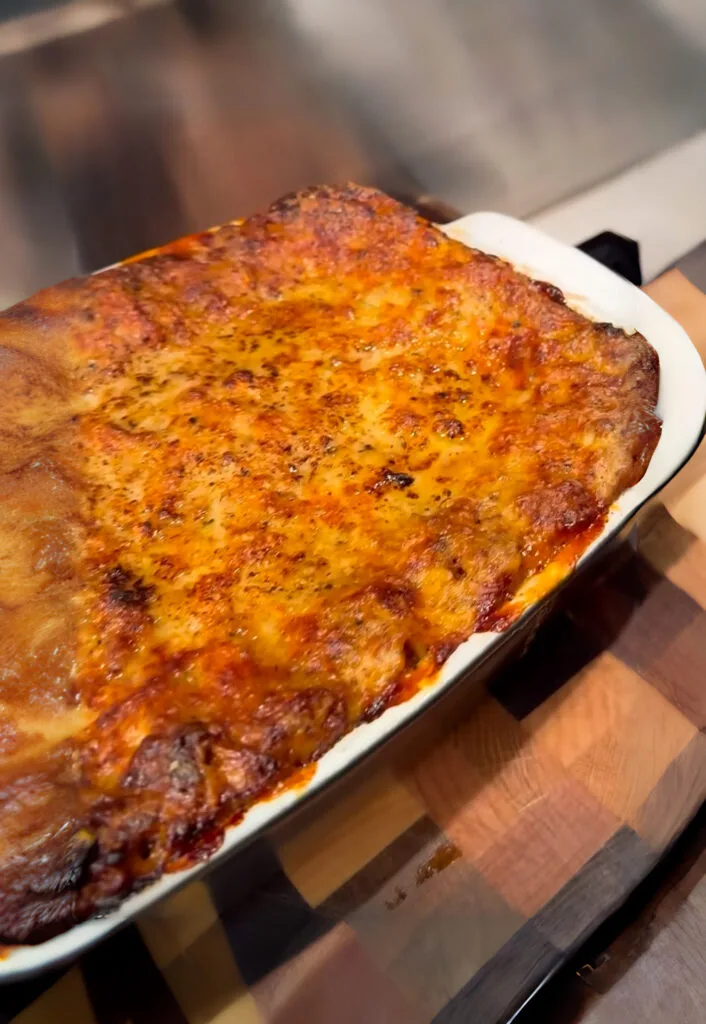
- Uncover and Finish Baking: Remove the foil and bake for another 20-25 minutes, or until the cheese is melted, bubbly, and beautifully golden brown. That golden, bubbly crust is a sign of pure joy!
-
- Rest and Serve: This is the hardest part, but so important! Let the lasagna rest for at least 15-20 minutes before slicing and serving. This allows the layers to set and prevents it from falling apart. Garnish with extra fresh parsley if desired.
- Assemble the Lasagna:
-
-
Expert Tips for Success with Your Classic Italian Lasagna
Making lasagna can feel like an art, but with a few pointers, you’ll be creating masterpieces every time. Here are some insights to help you get the best results from your kitchen.
Preventing Watery Lasagna
No one wants to eat a mushy lasagna, right? Such a common problem, yet one that can be easily overcome if you make a few savvy choices. My first lasagna, I poured so much sauce on it, I thought more the better. It turned out to be a tasty cheesy soup! Lesson learned. After you brown your meat, be sure to drain off the fat. That’s a huge source of liquid.
Now examine your ricotta. If you’re looking for less water, full-fat ricotta is a better option than part-skim. Drain in a fine-mesh sieve with cheesecloth in place for an hour or two if the brand you are using appears to be particularly moist. Simply lightly press to absorb some of the excess moisture. This little thing is definitely a contributing factor to the consistency of your baked food.
Lastly, don’t over-sauce. We don’t want a swimming pool, we want a rich meaty sauce. Evenly, but not too much, spread layers.
Choosing the Right Noodles
You’ve got options when it comes to lasagna noodles, and each has its quirks.
- Traditional Dried Noodles: These are what I usually use. Cook them al dente, meaning they should still have a little bite. Overcooked noodles get mushy in the oven. Also, laying them flat after cooking to prevent sticking is a small but important detail.
- Oven-Ready (No-Boil) Noodles: A fantastic time-saver! They absorb moisture from the sauce as they bake. If you use these, make sure your sauce is slightly looser, as they’ll drink it up. You might need to add a bit more broth to your ragu if you find it very thick.
Making it Ahead & Freezing Lasagna
Lasagna is a fantastic make-ahead meal, which is why it’s so popular for entertaining.
- Make-Ahead: You can assemble the entire lasagna up to 24 hours in advance. Cover it tightly with plastic wrap and keep it in the fridge. When you’re ready to bake, let it sit at room temperature for about 30-60 minutes before putting it in the oven. You might need to add an extra 10-15 minutes to the baking time if it’s still quite cold.
- Freezing Unbaked Lasagna: Assemble as directed, but don’t bake. Cover tightly with two layers of aluminum foil. Freeze for up to 3 months. To bake from frozen, remove foil and bake at 375°F (190°C) for about 60-75 minutes, or until cooked through and bubbly. Uncover for the last 20 minutes to brown the cheese.
- Freezing Baked Lasagna: Let the baked lasagna cool completely. Cut into individual portions or freeze the whole dish. Wrap well in plastic wrap and then foil. Freeze for up to 3 months. Thaw overnight in the fridge and reheat in the oven or microwave.
Pro Tip: Always let your lasagna rest for at least 15-20 minutes after baking. This helps the layers set, making for cleaner slices and a much more enjoyable experience. Trust me, it’s worth the wait!
Delicious Variations You Can Try
This classic recipe is wonderful, but feel free to put your own spin on it!
- Vegetarian Lasagna: Skip the meat in the ragu. Instead, you could sauté mushrooms, zucchini, bell peppers, and spinach to create a flavorful vegetable base for your tomato sauce.
- Spice It Up: Add more red pepper flakes to your meat sauce for a bolder kick. A pinch of cayenne pepper would also do the trick.
- Cheese Choices: While mozzarella and Parmesan are standard, you could experiment with a layer of smoked provolone or Fontina for a different depth of flavor. A blend of cheeses can add interesting notes.
- Greens Power: Mix a cup of finely chopped cooked spinach (squeezed dry!) into your ricotta mixture for added nutrients and a subtle earthy taste.
- Béchamel Sauce Approach: Some authentic Italian lasagnas use a creamy béchamel sauce instead of, or in addition to, the ricotta layer. It’s a different texture and richness that some people really love. If you’re feeling adventurous, give it a whirl!
Frequently Asked Questions
Can I use no-boil lasagna noodles for this recipe?
Yes, absolutely! No-boil noodles are a fantastic time-saver. Just make sure your meat sauce is a little bit on the thinner side, as these noodles will absorb a good amount of liquid during baking. If your sauce seems very thick, you might want to add an extra splash of water or beef broth.
How do I keep my lasagna from being watery?
To avoid a watery lasagna, there are a few things you can do. First, drain any excess fat from your ground meat after browning it. Second, consider draining your ricotta cheese if it seems particularly wet; you can do this by letting it sit in a fine-mesh sieve for about 30 minutes. Lastly, don’t overload your lasagna with too much sauce. A generous but not excessive amount is best. And, of course, letting it rest after baking allows the liquids to settle.
What’s the best cheese for classic Italian lasagna?
For a classic Italian lasagna, the combination of low-moisture, part-skim mozzarella and grated Parmesan cheese is typically the way to go. The mozzarella provides that incredible stretch and melt, while Parmesan adds a salty, nutty depth. Some people also enjoy adding a bit of provolone or fontina for extra flavor, but mozzarella and Parmesan are the standard for a reason!
Can I freeze classic Italian lasagna?
Yes, lasagna freezes wonderfully, making it a great option for meal prepping! You can freeze it either baked or unbaked. For unbaked lasagna, assemble it, then cover it tightly with foil and freeze for up to 3 months. When ready to bake, thaw it in the fridge overnight, then bake as usual, adding extra time if still partially frozen. For baked lasagna, let it cool completely, then cut into portions and freeze in airtight containers for up to 3 months.
How long does homemade lasagna last in the fridge?
Once baked, homemade lasagna will typically last for 3 to 4 days when stored properly in an airtight container in the refrigerator. Make sure it cools down before refrigerating to maintain its freshness and safety.