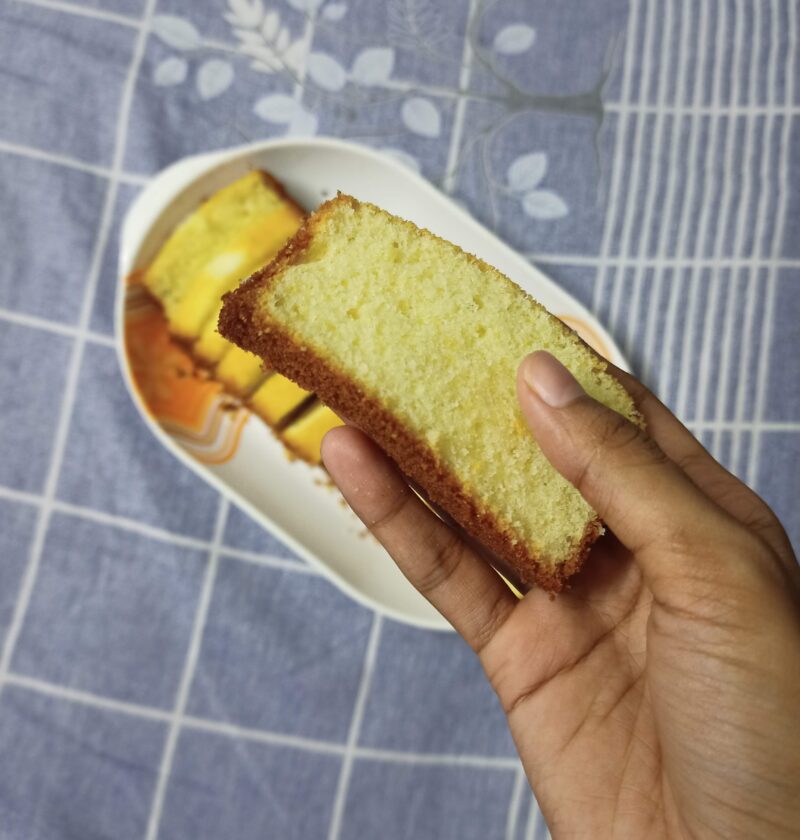
Hello sweeties! Sometimes you want that good old comforting thing that makes you think of your childhood again, right? Well, today we will be discussing one of those absolute essentials: Easy sponge cake! No more complicated or scary recipes – it’s just simple and pure deliciousness!
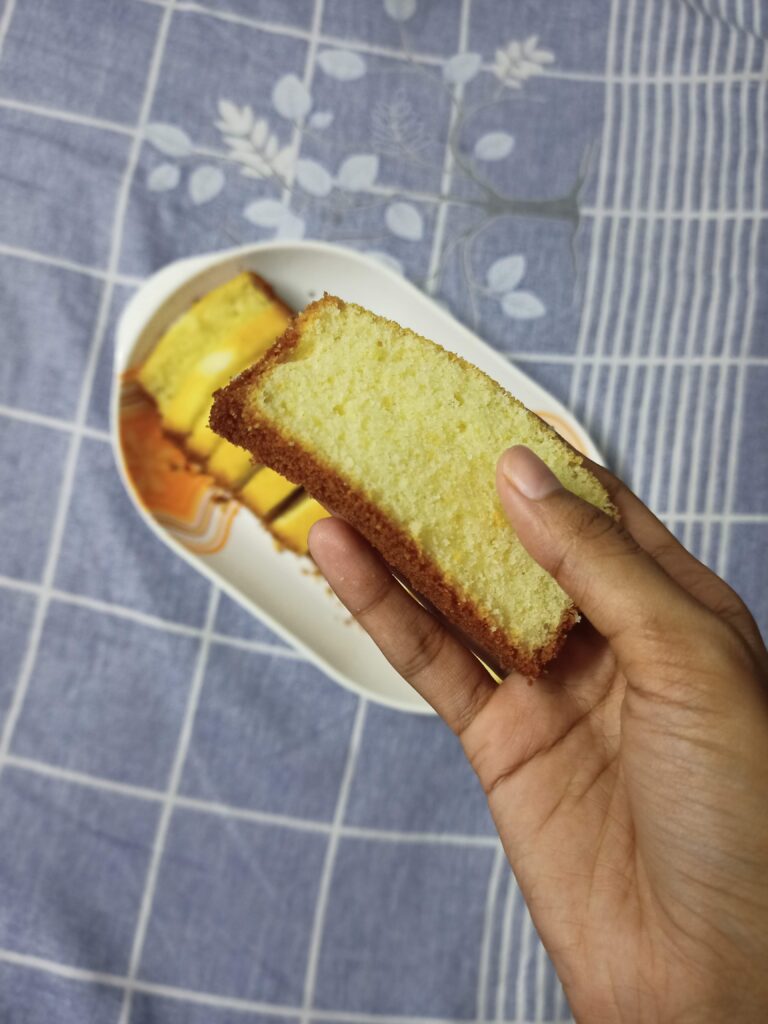
Truthfully, many people believe making sponge cake is difficult, but I’m here to say it’s not! Not only is this cake simple to make, but it’s always light, airy, and wonderfully moist on its own, dusted with powdered sugar, or used to create base cakes for all your favorite topping ideas. Be ready to do something that will blow your mind and you too!
Easy Sponge Cake Recipe
Ingredients
-
-
- 1½ cups (180g) all-purpose flour
-
- 1½ teaspoons baking powder
-
- ½ teaspoon salt
-
- 1 cup (200g) granulated sugar
-
- 4 large eggs, at room temperature
-
- ½ cup (113g) unsalted butter, melted and cooled slightly
-
- ½ cup (120ml) milk, at room temperature
-
- 1 teaspoon vanilla extract
-
Instructions
-
-
- Preheat your oven to 350°F (175°C). Grease and flour a 9-inch round cake pan, or line with parchment paper. This simple step helps a lot with release.
-
- In a medium bowl, whisk together the all-purpose flour, baking powder, and salt. Make sure there are no lumps in your dry mixture.
-
- In a large mixing bowl, beat the granulated sugar and eggs together with an electric mixer on medium-high speed for about 5-7 minutes. You’re looking for a pale, thick, and fluffy mixture that has increased significantly in volume. This is called “ribbon stage.”
-
- Gently fold in the dry ingredients into the egg mixture in three additions, alternating with the milk. Start and end with the dry ingredients. Be super careful not to overmix; just combine until barely streaks of flour remain.
-
- In a separate small bowl, combine the slightly cooled melted butter and vanilla extract. Slowly drizzle this mixture into your cake batter, folding it in gently until just combined. Again, avoid over mixing.
-
- Pour the batter evenly into your prepared cake pan. Give the pan a gentle tap on the counter to release any large air bubbles.
-
- Bake for 30-35 minutes, or until a wooden skewer inserted into the center comes out clean. The top should be golden brown and spring back when lightly touched.
-
- Once baked, let the cake cool in the pan for about 10-15 minutes on a wire rack. This allows it to set up properly before you try to move it.
-
- Carefully invert the cake onto the wire rack to cool completely before frosting or slicing. Trying to frost a warm cake is a messy mistake!
-
Key Takeaways
How to get the best fluffy sponge cake ever!
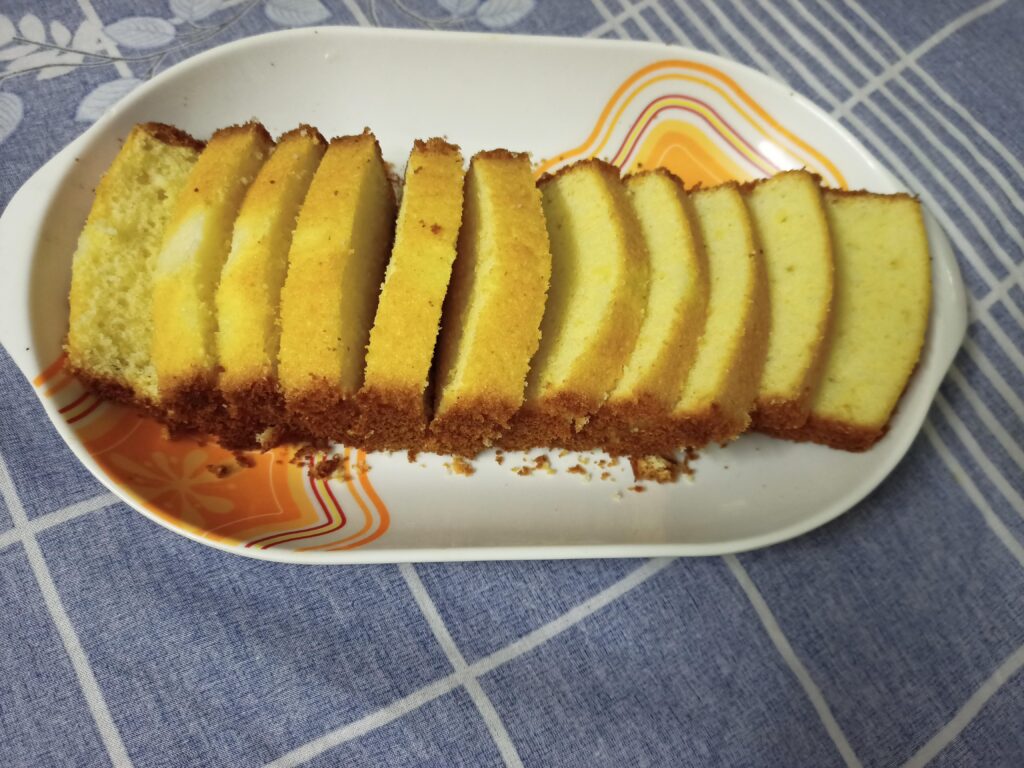
Let’s discuss what constitutes a good sponge cake. Mixing ingredients is not the only part of the solution; there are some basic principles that need to be understood. Imagine it’s like the bricks and blocks of a super solid, super yummy dessert! The idea here is to have something light and airy, and it’s about how you’re going to manage those eggs and mix.
First, it’s extremely important to get your eggs and sugar to that “ribbon stage”. That’s getting them as white, plump and you can see a ribbon of batter fall back into the bowl, and keep its shape for a couple of seconds, then fall apart. In the process, you’ll find yourself with numerous small air pockets, which is what gives your cake its characteristic spongy consistency. This step is not to be rushed; it’s where the magic really starts.
The second key principle is to mix gently after you add your dry ingredients and liquids. In a sponge, too much mixing flour will cause gluten in the flour to be activated, resulting in a tough, chewy cake; this is not desirable. You’re simply trying to mix it all until it’s all wet. I prefer this step to a strong chopping or mixing action; I like to use a spatula to fold slowly. Can feel the batter’s grip on the lightness as you do it.
Last but not least, be sure to have your oven properly preheated. A uniform temperature at the beginning is essential for an even rise and helps the cake to not sink in the middle. All sorts of issues can arise, such as an undercooked middle, or top that is domed. Wait 15-20 minutes for the oven to reach the correct temperature after it has indicated the correct temperature. These little things really do make a difference, believe me!
Quality and temperature – why they really count when selecting ingredients.
Don’t worry about “flour is flour” or “eggs are eggs,” but with a simple recipe as sponge cake, the quality and even the temperature of the ingredients really does show. There’s nothing hidden here in terms of strong flavors; each piece has a starring role.
Let’s begin with your eggs. Large eggs at room temperature are a huge improvement. Cold eggs are not as voluminous or are not as aerated when using sugar. If you forget to take them out ahead of time, don’t worry! Simply put them into a bowl of warm (not hot!) water for 5-10 minutes. A simple trick that DOES work! Also, fresh eggs taste better, adding a richer flavor to your cake.
All-purpose flour will probably be sufficient; cake flour may be used if available, as it has a lower protein content and therefore will produce an even more tender crumb. No matter which you select, be sure to measure it properly. A frequent cause of dry cakes is too much flour. I always advise the use of a kitchen scale, but if you must, scoop the flour into the cup and top off with a straight edge.
With butter and milk, again, room temperature will help them combine without surprising the batter. For butter, stick with unsalted as you can adjust the salt content to your liking. Important is to melt it, and cool it slightly, before adding it. Hot butter won’t cook the egg and will not runny the batter too much. The subtle and sweet aroma and taste also greatly benefit from quality vanilla extract – as opposed to imitation vanilla. With fresh, quality ingredients, it’s likely to be the easiest way to improve your baking experience.
Quality and temperature are key – and they really do make a difference!
Where you think ‘flour is flour and eggs are eggs,’ with a quick and easy recipe such as sponge cake, the quality of the ingredients really comes through, and even the temperature of them. There’s no secret of overpowering flavors here and every element is a show-stopper.
First, let’s begin with your eggs. The use of large eggs and keeping them at room temperature is a game-changer. Cold eggs don’t aerate or incorporate sugar as well. If you forget to take them out ahead of time, don’t worry! Simply put them in a bowl of warm (not hot!) water for 5-10 minutes. It’s a simple hack that is actually effective. In addition, fresh eggs taste better, which adds even more flavor to your cake.
Usually all-purpose flour will do, but cake flour, which contains less protein, will provide an even more tender crumb. Regardless, be sure to get the correct measure. An excess of flour is a frequent recipe for a dry cake. Always recommend a kitchen scale for accuracy but if using cups, spoon the flour into the cup and then level off with a straight edge.
For butter and milk, of course, it’s room temperature that helps everything get together without jamming. Use unsalted butter for butter, so you can add salt accordingly. It is essential to melt it and allow it to slightly cool before it is added to it. Butter won’t melt into the eggs or thin the batter if it is too hot. The subtle but sweet smell and flavor is also rich in quality vanilla extract, but not in the imitation vanilla. The best thing you can do to improve your baking is to use fresh, high-quality ingredients.
There are some common problems associated with making sponge cakes that can be easily addressed
Even the most experienced bakers get a snag from time to time and that’s fine! Knowing the “how not to,” can prevent it from happening again. Let’s take a look at a couple of typical issues with sponge cakes and how to solve them.
- My cake is dense and heavy: This is almost always due to over mixing the batter once the flour is added. Too much mixing develops gluten, which makes the cake tough and compact. Remember to fold gently until just combined. Another culprit could be under-whipping your eggs and sugar. If they don’t reach that pale, thick “ribbon stage,” you won’t have enough air in the batter to begin with.
- The cake sank in the middle: Several things can cause this. Opening the oven door too early (before the structure sets), insufficient baking time, or a sudden temperature drop can all be factors. Make sure your oven is accurately calibrated (an oven thermometer is a small, useful investment!) and resist the urge to peek during the first 20-25 minutes of baking. Also, make sure your baking powder isn’t expired; old leavening agents won’t give your cake the lift it needs.
- My cake is dry and crumbly: This typically points to too much flour or overbaking. As mentioned, measure your flour carefully. Keep an eye on the baking time; ovens vary, so rely on the skewer test rather than just the clock. Pull the cake out as soon as the skewer comes out clean, not a minute longer.
- The cake stuck to the pan: Ah, the classic baker’s heartache! This means you didn’t grease and flour your pan properly. Make sure to coat every crevice, especially the bottom and sides. Lining the bottom with parchment paper is an extra layer of protection I always recommend.
Pro Tip: Always have all your ingredients measured and at the correct temperature (especially eggs and milk) before you even begin mixing. This ‘mise en place’ approach prevents scrambling, ensures proper mixing, and often saves your bake!
Creative Variations and Frosting Ideas for Your Sponge Cake
The beauty of a classic sponge cake is its versatility! It’s a blank canvas just waiting for your personal touch. Once you’ve mastered the basic recipe, you can really start to play around with different flavors and presentations.
Here are a few ways to make your sponge cake uniquely yours:
- Citrus Zest: Add the zest of one lemon or orange to your sugar during the whipping stage with the eggs. The oils in the zest will infuse beautifully, giving you a wonderfully fragrant cake.
- Almond Extract: Swap half a teaspoon of vanilla extract for half a teaspoon of almond extract for a delicate, nutty flavor. It pairs beautifully with berries.
- Coffee Cake: Dissolve 1-2 teaspoons of instant coffee powder in the warm milk before adding it to the batter. A coffee-flavored sponge is surprisingly delicious!
- Cocoa Powder: For a chocolate sponge, replace ¼ cup of the all-purpose flour with unsweetened cocoa powder. Sift it with the flour to avoid lumps.
- Fruit Syrups: After baking, while the cake is still warm, brush it with a simple fruit syrup (sugar, water, and fruit juice simmered until slightly thickened). This adds extra moisture and flavor.
Now, about frosting! A sponge cake is incredibly forgiving and pairs well with almost anything. A simple dusting of powdered sugar is always elegant. You could also try:
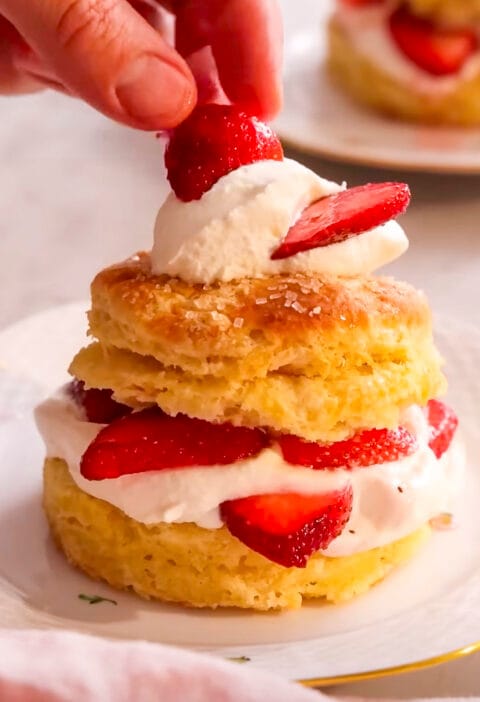
- Whipped Cream: Light and airy, whipped cream doesn’t overpower the delicate cake. Add fresh berries for a classic combination.
- Buttercream: A classic vanilla buttercream or even a chocolate buttercream works wonderfully. Just make sure it’s not too heavy.
- Lemon Glaze: A simple glaze made from powdered sugar and lemon juice creates a lovely tangy finish.
- Jam or Curd: Layer with your favorite fruit jam (raspberry, strawberry) or a tangy lemon curd for a delightful filling.
Storage Tips for Your Sponge Cake
So, you’ve baked this gorgeous sponge cake, and now you want to make sure it stays fresh and delicious. Good news: sponge cake is actually quite good at keeping, and you can even prepare parts of it ahead of time.
For immediate enjoyment, an unfrosted sponge cake can be stored at room temperature for 2-3 days. Make sure it’s tightly wrapped in plastic wrap or placed under a cake dome to prevent it from drying out. You’ll notice it gets a little firmer on the second day, but it’s still absolutely delicious. You want to protect it from air, which is the enemy of freshness.
If you’ve frosted your cake with a simple buttercream or powdered sugar, it can also stay at room temperature for a couple of days. If you’ve used whipped cream, fresh fruit, or anything dairy-based, it’s best to store it in the refrigerator. Just remember to let it come to room temperature for about 20-30 minutes before serving for the best flavor and texture.
Thinking about making it ahead? You can absolutely bake the sponge cake layers a day or two in advance. Once cooled completely, wrap each layer tightly in plastic wrap and store at room temperature. You can then assemble and frost on the day you plan to serve. This is a brilliant way to break up your baking tasks for a party or special event.
Want to go even further? Sponge cakes freeze really well! Wrap individual cooled layers tightly in plastic wrap, then an additional layer of aluminum foil. They’ll keep in the freezer for up to 2-3 months. When you’re ready to use them, just thaw them overnight in the refrigerator, then bring them to room temperature before decorating. This allows you to always have a quick dessert option ready.
Frequently Asked Questions
Why did my sponge cake turn out dense?
A dense sponge cake is most commonly caused by overmixing the batter once the flour is added. This develops gluten, which makes the cake tough. Another reason could be not whipping the eggs and sugar enough to incorporate sufficient air initially. Ensure your eggs are at room temperature to help them whip up to their full volume.
Can I make this sponge cake gluten-free?
Yes, you can! Simply swap the all-purpose flour for a good quality 1:1 gluten-free baking flour blend that contains xanthan gum. The rest of the recipe should remain the same. Just be sure to check the specific blend instructions, as some might absorb liquid differently.
How long does sponge cake last?
An unfrosted sponge cake, properly wrapped, will stay fresh at room temperature for 2-3 days. If it’s frosted with buttercream or a stable glaze, it can last 3-4 days at room temperature. Cakes with fresh cream or fruit fillings should be refrigerated and are best enjoyed within 2 days.
What’s the best frosting for a sponge cake?
The “best” frosting truly depends on your preference, but a classic sponge cake pairs beautifully with lighter options. Simple whipped cream with fresh berries is always a winner as it complements the cake’s airy texture without overpowering it. A light vanilla buttercream or a tangy lemon glaze also make fantastic choices.
Can I bake this sponge cake in different pan sizes?
Absolutely! While this recipe is for a 9-inch round pan, you can adjust. For an 8-inch round pan, you might need to reduce the baking time slightly. For a sheet pan or smaller cupcakes, the baking time will be significantly less. Always monitor for doneness with the skewer test and adjust as needed. You may also need to adjust ingredients for drastically different sizes.
What are you waiting for? Give this easy sponge cake a try and let me know your favorite way to enjoy it in the comments below!