
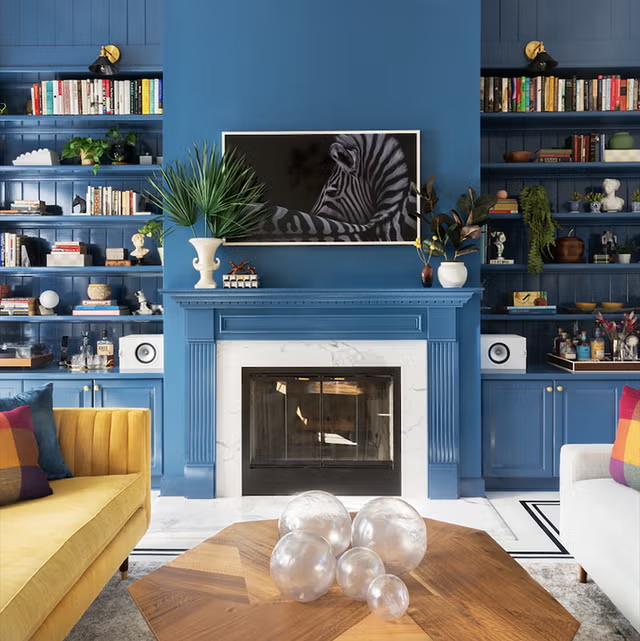
There is something about a fireplace, you see? Whether you have a scrumble wood-burning unit, or a smooth, noisy gas insert, you can get the effect of making the room feel warmer and more welcoming, and it will make the room more expensive-looking, I tell you. Having one, you have already the focal point of your living room; the thing is how to construct the rest of the room around it and not to make everything look austere and formal.
I have been in and out of thousands of homes over the years, assisting people in moving the things around. The greatest error I observe that people commit is not concerning style, but generally it concerns flow. They use the fireplace as a barrier rather than an element of nature it is supposed to be. The good news? It is actually simpler to fix than you may expect, and seldom involves the dismantling of walls. We will take a tour around the real life practical techniques to help make fireplaces the highlight of the show, rather than just another element on the wall.
Key Takeaways
- Master the “Conversation Corner” layout to maximize seating and comfort.
- Use the “Rule of Three” and varied heights when staging your mantel decor.
- Understand the true cost and benefits of gas insert conversion versus traditional wood-burning units.
- Identify how material choices, like reclaimed wood beams, dictate your overall aesthetic, such as the modern farmhouse aesthetic.
How should I arrange furniture around my fireplace?
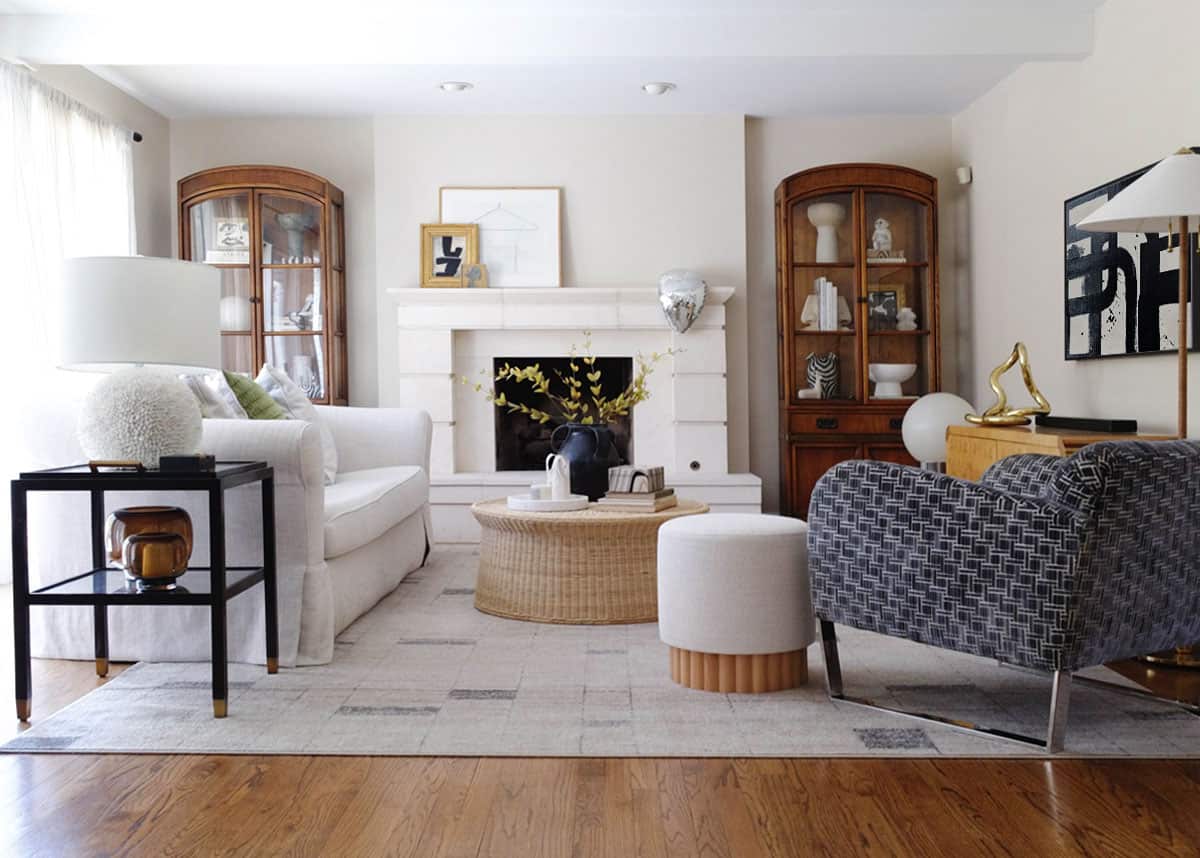
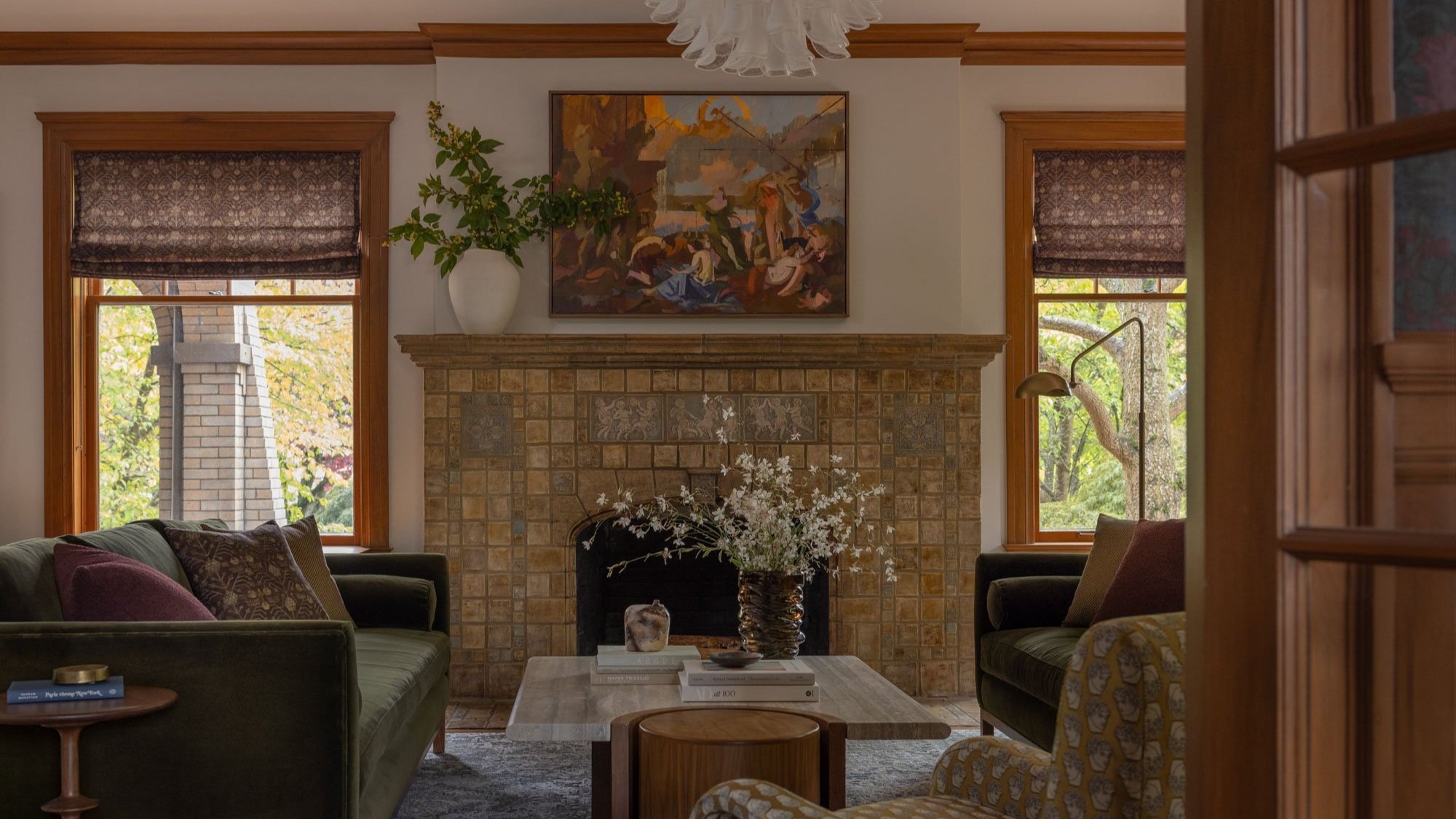
This is most likely to be the most frequent question. You have got this nice and warm thing but your couch is too near, you run a risk of melting the pillows in the throws. In case it is too far, you will lose that warm atmosphere. Planning your living room ideas including fireplace should consider having the fireplace as part of a conversation and not a viewing experience.
The regular tradition is to develop a U-shape or an H-shape, which is created based on the fact whether the room is wholly open or has limited walls. In case the sectional sofa is a big sectional, you can have the length facing the fireplace (or TV placed over/above it) and have two smaller chairs facing the sectional. This leaves the space open and everybody can see the major feature and yet can easily talk to each other without yelling.
In sitting down, keep in mind the feel aspect of the heat. You do not want to sit at the top of a wood-burning unit, but a conversion to gas insert is usually less difficult to live with. Allow a minimum of 4 to 6 feet of clearance to large furniture items. This will enable the heat to spread and will create space to see the hearth or add wood in case of necessity.
Pro Tip: If you have a massive room, don’t try to make the fireplace service the entire area. Instead, zone the room. Create a primary “Conversation Corner” near the heat source and a secondary reading nook or media zone further away. This prevents seating from looking abandoned in the middle of a vast space.
How can I update an old, ugly fireplace wall?

Honestly, the fireplace itself might be fine, but the surround material from 1985 might be screaming for help. Think cheap brick, dull brass, or strange faux-stone paneling. Thankfully, changing the aesthetic of the wall surrounding the fireplace is one of the quickest ways to overhaul your living room.
If you’re going for a sophisticated, light feel, you cannot beat a simple white or pale gray Marble surround. It instantly brightens the space and gives that sense of clean, crisp luxury. Marble is definitely an investment, but it’s one of those things that instantly signals quality, and you can always start small, just doing the facing tiles rather than the entire chimney breast.
For those leaning toward a modern farmhouse aesthetic, look into using reclaimed wood beams for the mantel and either vertical shiplap or neutral stucco for the wall itself. This mixture of rough texture and clean lines gives a welcoming, cozy feel. If you have an existing brick fireplace, don’t rip it out! Find the best paint colors for a living room with a brick fireplace—often a deep charcoal gray or a clean white works wonders. This keeps the texture but completely changes the color palette.
What’s the secret to styling mantel decor like a designer?

The first time I tried to stage a mantel, I made the mistake of trying to make everything perfectly symmetrical. I placed a huge vase on the left, an identical huge vase on the right, and then centered a large clock. It looked boring, stiff, and utterly lifeless. Symmetry feels safe, but asymmetry feels artistic and collected.
The secret to successful mantel decor staging is using varied heights and visual weight to create balance, not mirroring. Imagine the visual line of the display like a gentle rolling hill, not twin mountains with a valley between them. You want your tallest elements on one end (or slightly off-center) and the shortest elements tucked toward the middle.
If you have built-in shelving units flanking the fireplace, treat the mantel as the grounding element that ties those shelves together. Never crowd the mantel—it should feel edited, not cluttered. Here’s a basic approach you can use every time:
- The Anchor: Start with one large piece slightly off-center (a mirror, a large piece of art, or a flat-screen TV).
- The Height: Add vertical elements on the opposite side of the anchor. Think tall candlesticks, a stack of books, or a thin vase with tall florals.
- The Link: Use smaller, lower items in the middle to bridge the gap. These are often small bowls, picture frames, or pieces of sculptural art.
And remember, if you have a huge mirror or artwork resting on the mantel, don’t necessarily hang it. Letting it lean creates depth and a much more relaxed, casual feeling. This is a common method used by interior design magazines to keep spaces from feeling too static.
Should the fireplace always be the main focus of the room?
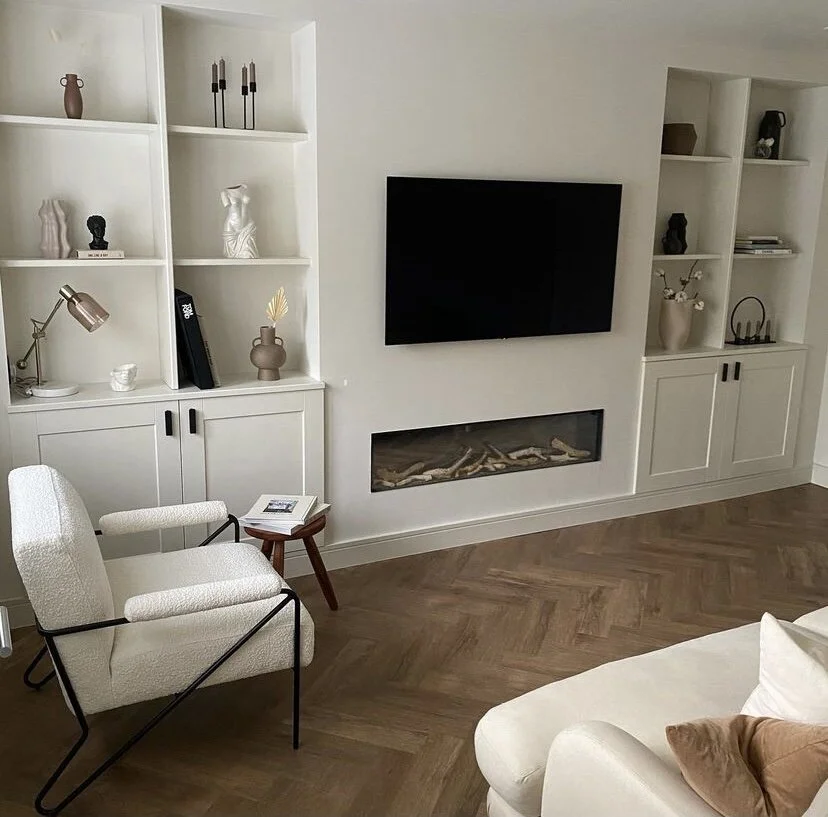
Ideally, yes. In the conventional living room design, the fireplace is the focal point, object of attraction, and the provider of warmth. It determines the location of furniture. However, there are occasions where you are, at the same time, having a corner fireplace in a family room or maybe, the purpose of the room is to watch a very big television. A more Strategic approach may be required in these situations.
Centrally placed, it is natural that the fireplace prevails when it comes to the battle of the focal point. You need to organize your furniture so as to emphasize it. Nonetheless, in case of a wall-mounted TV that is equally alluring, then the two components can be placed on the same wall. This is a dilemma- they must feel equal, and not competitive. Frequently, they are enclosed with a single material (such as continuous wood paneling or homogenous tile) around the TV and the fireplace to give them the sense of belonging together.
When you have to work with the style of a corner fireplace in a family room, you have to come to terms with the fact that it will probably be a secondary focus. It is not able to assert itself on the big TV screen. In the given case, it is best to keep the decorations bare, leave the warmth to the heat and the light, and place the quieter objects such as books or plants against the wall. Trying to pack an oversized mirror over a corner unit is a bad idea; it creates the impression of the room being off kilter.
Are gas and electric inserts worth the money?

If you currently have a traditional wood-burning fireplace, you know the hassle: buying wood, storing wood, cleaning ash, dealing with chimney sweeps. I love the smell of burning wood, I really do, but for daily use, many homeowners find that a gas insert conversion is a literal game-changer.
The immediate practical gain of a gas or electric insert is cleanliness and convenience. You flip a switch or press a button, and you have instant, controllable heat. When looking at the electric fireplace installation costs living room owners face, you’ll notice they are significantly cheaper and easier to install since they don’t require venting or chimney modification. The flame isn’t real, but the heat output is decent, and the visual effects have gotten really good lately.
Gas inserts offer a more authentic flame and significantly more heat than electric units, but they do require a gas line and venting, increasing the installation complexity and cost. However, if you’re trying to figure out what is the best type of fireplace for a living room that sees frequent use, gas is often the sweet spot between ambiance and ease. It offers fantastic efficiency compared to an old open-hearth fireplace, where much of the heat goes right up the chimney. You can find excellent guidelines on safety and installation through resources like the National Fire Protection Association (NFPA). You should always check their guidelines before installation.
Comparison of Fireplace Types
| Feature | Traditional Wood | Gas Insert Conversion | Electric Insert |
|---|---|---|---|
| Installation Cost (Typical) | High (If installing new chimney) | Moderate to High (Requires gas line/venting) | Low (Plug and play) |
| Ambiance/Sensory | Highest (Smell, sound, real flame) | High (Realistic flame, real heat) | Medium (Visual projection, quiet operation) |
| Maintenance | High (Cleaning, sweeping) | Low (Annual check) | Very Low |
| Heat Output | Low (Most heat lost up chimney) | High (Highly effective) | Moderate |
What styles work best with rustic stone or reclaimed wood?

By beginning to apply bold textures such as rustic stone fireplace living room designs demand or heavy reclaimed wood beams, you are accepting the style that is less formal by its very nature. These are the materials that are most suitable in the aesthetics that emphasize on comfort and naturalness.
The most popular combination with these features nowadays is the modern farmhouse style. It plays the texture of the rock or the wood against clean, simple things, such as white walls, smooth metal decorations (imagine black iron), and warm and oversized furniture. That is what makes the style so attractive, it is comfortable but not untidy.
In case you want to have a little silence, minimalist design in the living room with the gas fireplace may also be used with natural textures, though they should be highly concentrated. Rather than adorn all the way round the wall with rustic stone, perhaps one great slab of coarse, deep slate, square in place of the hearth, and maintain the mantle extremely clean and straight. Minimalism aims at contrast achieved by texture and the quality of materials and not the complexity or clutter.
This is where you determine the overall feeling you want the room to give off. Rustic stone suggests durability and age; it makes you feel grounded. If that’s the feeling you want—that deep, cozy retreat vibe—then lean into materials like leather, chunky knits, and deep, earthy paint colors. The fireplace is, after all, meant to be the heart of the home, drawing everyone closer.
Frequently Asked Questions
- What is the ideal distance for a sofa from a fireplace?
- Typically, you want a minimum of 3 feet of clearance from the hearth for safety and heat comfort, but 4 to 6 feet is often better for creating a balanced living room layout that encourages conversation while still appreciating the fire.
- How much does it cost to install a built-in fireplace in existing home?
- The cost to install a built-in fireplace in existing home varies wildly depending on whether you are adding a chimney/venting or utilizing an existing one. If you need a full masonry chimney built, costs can be upwards of $15,000. For a simple gas insert conversion into an existing structure, you might be looking at $3,000 to $7,000, depending on gas line access and finish materials like a new Marble surround.
- Can I put a TV over a wood-burning fireplace?
- Yes, but you must take heat output seriously. Excessive heat can severely damage the TV’s internal components. Always install a proper, deep mantel that acts as a heat shield, redirecting hot air away from the screen. If possible, consider a cooler, cleaner option like a gas insert to protect expensive electronics.
- How do I make a small living room with a fireplace look bigger?
- Keep the hearth and mantel clean, use light, neutral colors (like those best paint colors for a living room with a brick fireplace, such as white or light gray), and use a large, reflective mirror above the mantel. Placing the mirror there bounces light around and visually doubles the room’s size, ensuring the fireplace remains the focus without feeling heavy.
Figuring out your living room ideas with fireplace doesn’t need to be overwhelming. You already have the star player; now it’s just about casting the supporting roles—the sectional sofa placement, the perfect mantel decor staging, and the right lighting—to complement its warmth. By treating the fireplace as your primary axis and balancing visual weight, you can create a room that genuinely pulls people in.
What element of your fireplace is giving you the most trouble right now: the dated facade or the furniture layout?


Leave a Reply